
Is Iceland in June worth the higher summer prices, or are you paying for photos that look better online than they feel in person? June is one of the strongest months for hiking, waterfalls, and puffin watching, but the trip only works if you understand the daylight, weather, road limits, and real costs.
The financial warning is simple: a holiday financed at 20%–30% APR, plus a 0%–3% foreign-transaction fee, can turn a small booking mistake into a long repayment problem. This is not financial advice. Treat the figures below as planning ranges, then confirm every price before payment.
What does Iceland’s midnight sun change?
Sleep is the first trade-off
The midnight sun gives you more usable sightseeing hours, but it can also wreck sleep because your body does not treat a bright 11:30 p.m. sky as bedtime, so bring an eye mask, choose accommodation with blackout curtains, and set a firm stop time before tiredness makes every driving decision worse.
Late hours are the best bargain
The strongest use of June light is not cramming more paid tours into each day; it is moving free or low-cost walks to 9 p.m., visiting major waterfalls after coach groups leave, and keeping one weather-flexible day open so a rainy afternoon does not force you to waste a prepaid excursion.
The light is not a promise of clear views
Long daylight cannot remove fog, low cloud, wind, or rain, so treat the midnight sun as extra scheduling flexibility rather than a guarantee that every mountain, glacier, or puffin colony will be visible on demand.
The verdict
Use June light to reduce pressure on your itinerary, not to drive for 18 hours in one day; a rested traveler with two short hikes will get more value than an exhausted traveler chasing every viewpoint.
Which June waterfalls and hikes deliver the best value?
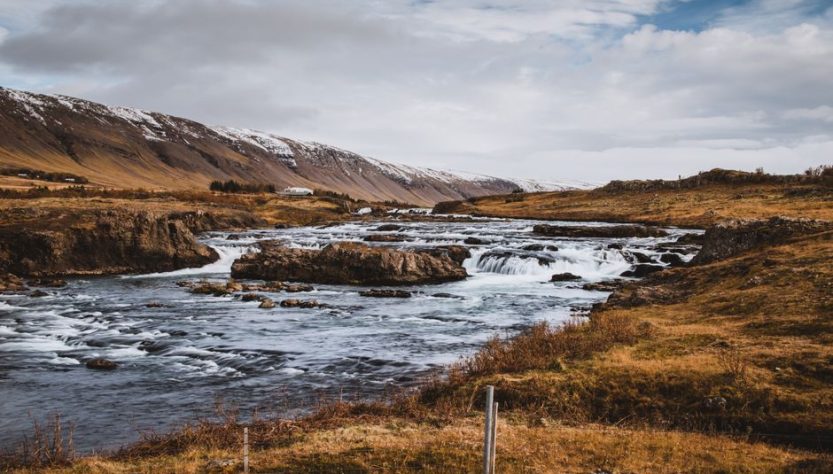
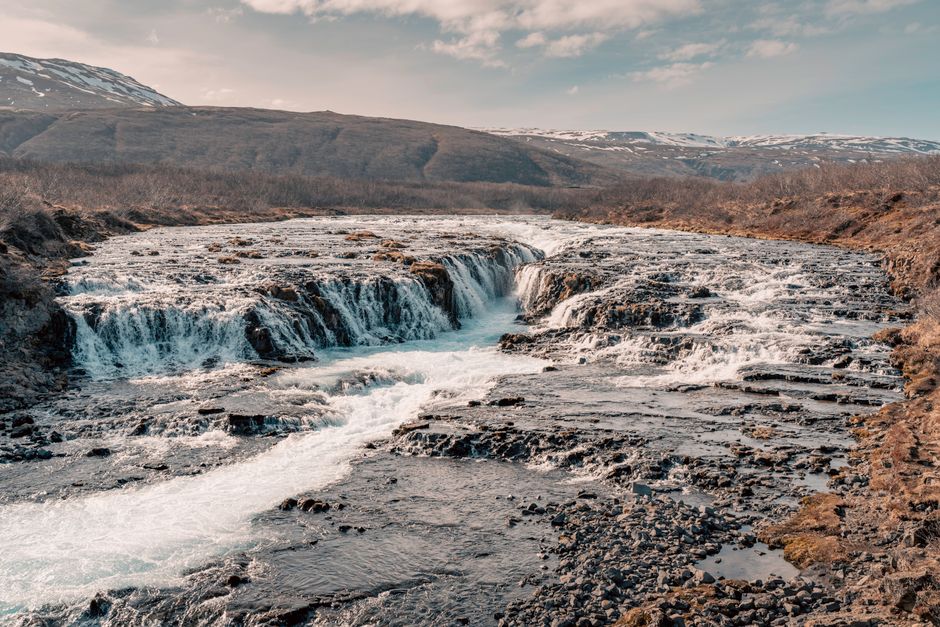
Waterfalls are one of Iceland’s best June bargains because many major viewpoints cost nothing beyond transport, parking, food, and your time. Pick walks by effort and weather exposure, not by the number of locations you can mark on a map.
A practical value comparison
| Site | Typical effort | Best reason to go | Cost planning |
|---|---|---|---|
| Seljalandsfoss | Short walk from parking | Walk behind the main fall when conditions and access allow | Free viewpoint; allow for parking and food |
| Skógafoss | Short walk; 60 m waterfall | Easy impact, strong spray, and a stair route above the falls | Free viewpoint; allow for parking and food |
| Glymur | About 6–7 km return, route-dependent | A proper half-day hike with a canyon, river crossings, and a tall waterfall | Free trail access; budget transport and snacks |
| Svartifoss | Roughly 5 km return, route-dependent | Basalt columns and a quieter walking experience in Skaftafell | Park entry or service charges may apply |
| Kirkjufellsfoss | Very short viewpoint walk | Easy photography stop near Kirkjufell on the Snæfellsnes Peninsula | Free viewpoint; allow for driving time |
How to avoid buying the wrong day
Choose Skógafoss or Seljalandsfoss when rain and wind make a longer hike unpleasant. Choose Glymur only when you have daylight, dry footwear, stable weather, and enough time to turn around. The river and trail conditions matter more than a social-media ranking. Visit Reykjavík’s waterfall guide confirms the basic geography, but current trail access still needs a same-day check.
Bottom line: For maximum scenery per hour, choose Skógafoss. For the most rewarding hike, choose Glymur when conditions support it. Do not pay for a second excursion simply because the forecast ruined the first one; keep a free waterfall day as your backup.
How can you see puffins without paying for a bad tour?
Puffin watching is a strong June choice, but the experience is wildlife viewing, not a guaranteed close-up encounter. The birds nest offshore, boats move with the weather, and a phone camera may show little more than black-and-white dots unless you bring binoculars.
A five-step puffin plan
- Book for the nesting season, which usually runs from mid-May to mid-August, and place the tour near the beginning of your trip so poor weather leaves room for a second attempt.
- Use Reykjavík’s Old Harbour for the simplest logistics; nearby islands such as Akurey and Lundey are common destinations for short wildlife trips.
- Compare the full offer, not only the headline fare. A one-hour puffin trip commonly falls around €60–€100 per adult in summer, but the final amount depends on operator, date, boat, and exchange rate.
- Special Tours and Elding are established Reykjavík operators; Whale Safari advertises small RIB groups with a maximum of 12 passengers, which can suit travelers who dislike large boats.
- Ask about weather cancellation, refund terms, warm outerwear, boat duration, and distance from the birds before paying. A low price with no rescheduling option can be expensive when wind cancels the sailing.
What the photos leave out
Puffins are small, fast, and protected wildlife. Do not expect to land on a nesting island or walk close to burrows. A quiet boat, respectful distance, binoculars, and a patient guide matter more than a promise of perfect photographs. For travelers who dislike boats, skip the tour and spend the money on a land-based coastal walk instead.
Bottom line: Choose a short, weather-flexible operator with clear cancellation terms. The best puffin tour is the one that protects your schedule when the North Atlantic refuses to cooperate.
What should an Iceland-in-June road trip cost?
How much should two people budget for seven days?
For two people sharing a room and a small rental car, a realistic June plan excluding international flights often lands around €2,000–€3,500 for seven days, depending on lodging, meals, insurance, and paid activities. A camper or hostel-heavy plan can reduce accommodation costs, while private rooms, restaurant meals, and glacier activities push the total much higher. June is often less expensive than July, but it is still a busy season.
Is a rental car always the cheaper option?
No. A car makes sense for a couple planning several rural days, but it becomes poor value for a short Reykjavík stay after rental, fuel, parking, insurance, and the 2026 kilometre-based road charge are added. A Flybus airport transfer commonly costs roughly €30–€40 one way, while an organized day tour can beat the total cost of a car for a single Golden Circle or South Coast day. Compare the complete total, not the rental company’s base rate.
What driving mistake costs the most?
Taking a normal two-wheel-drive rental onto a closed or unsuitable F-road is the fastest way to turn sightseeing into a recovery bill. F-roads can involve rough surfaces, changing water levels, and unbridged rivers. SafeTravel Iceland advises checking weather and road conditions rather than trusting a normal map app alone. For the Ring Road and common South Coast stops, use the vehicle allowed by the rental contract and check conditions every morning.
Bottom line: For seven days, spend first on a dry place to sleep, proper weatherproof clothing, and flexible transport. Cut restaurant meals or a premium spa before cutting safety margins.
What can ruin Iceland in June, and who should choose another month?
June is not the right month for every Iceland trip. It is the right month for long-light hiking and puffin season, but the same daylight that attracts visitors removes the dark sky needed for northern lights.
Mistakes that create avoidable losses
- Booking every night and tour with no weather buffer, then losing money when wind or poor visibility breaks the schedule.
- Driving too far each day because daylight feels endless, leaving no energy for the hike you actually came to do.
- Relying on trainers, jeans, and a cotton sweatshirt beside waterfalls, where spray and wind can turn a short walk into a cold one.
- Assuming every trail is open because a photograph appears online; paths, bridges, and viewing areas can change.
- Standing too close to cliffs, waves, river crossings, or unstable ice for a better image.
When June is the wrong purchase
Choose May or September if you want fewer visitors and can accept less daylight. Choose winter only if you are comfortable with weather-driven plans and short driving windows. Choose July or August if your main goal is the widest range of highland access, while still checking each road before departure.
The best June itinerary will not be the one with the most stops. It will be the one that leaves room for wind, sleep, missed sightings, and one unexpected waterfall that becomes the memory you keep. As Iceland travel grows more popular, flexible planning will become more valuable than adding another paid experience to the schedule.