
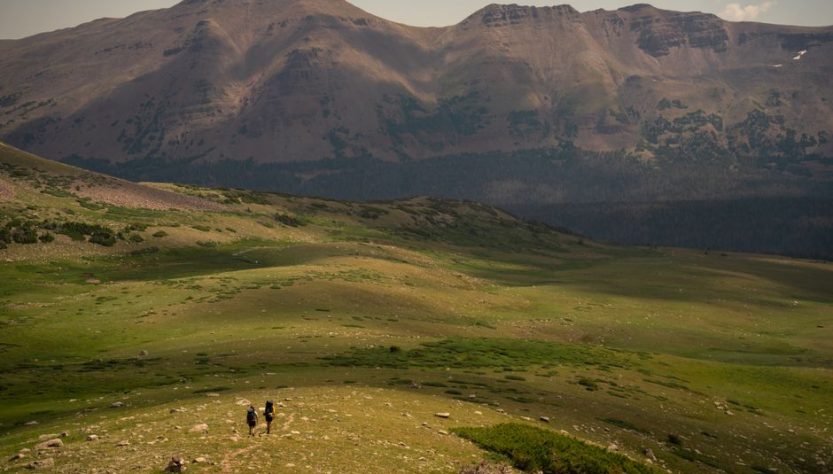
That is not a great setup for a late-summer hike. August heat turns a pleasant path into a slow drain on your energy, especially when the route has exposed rock, steep climbs, or a long walk back to the car.
The better answer is not always a colder destination. It is a smarter trail type: deep forest, high elevation, coastal air, shaded river valleys, or a route that starts before sunrise. These choices reduce heat exposure without forcing you into a technical mountaineering trip. The routes below focus on practical escapes across the United States, with clear limits and planning details for August 2026.
How to find a cooler hike near any destination
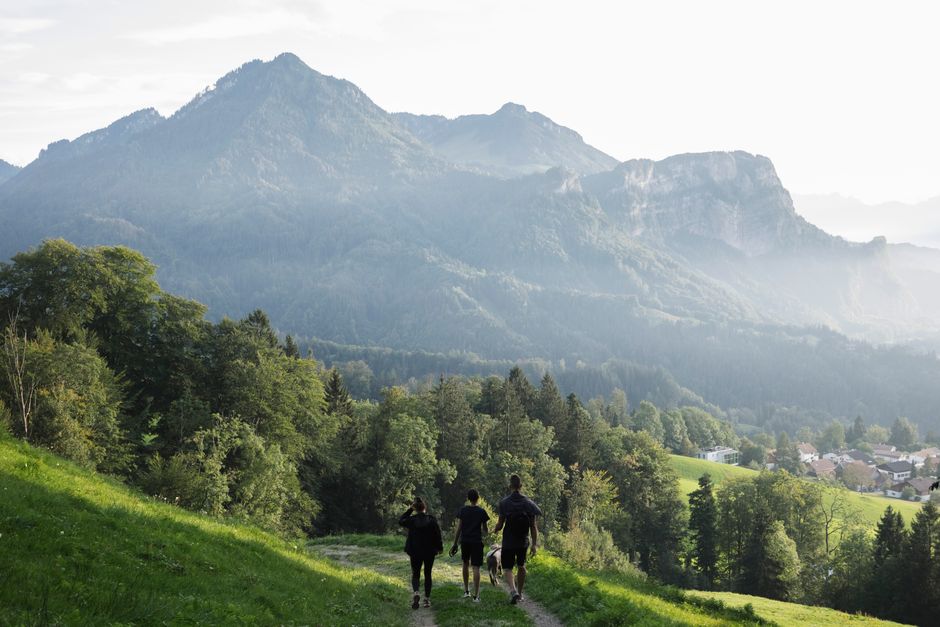
Use this five-point trail filter
- Choose elevation or latitude first. Higher trails often cool down, while northern and coastal locations usually avoid the worst afternoon heat.
- Check the shade pattern. A route through old-growth forest can feel far cooler than a similar-length trail through young trees or open scrub.
- Study the climb profile. Favor gradual elevation gain over a short wall of steep switchbacks.
- Confirm water sources before leaving. Treat every stream as seasonal unless the land manager confirms it flows in August.
- Find the exit points. A route with several road crossings, loops, or side trails gives you more options if the weather turns.
Read the forecast at trail level
Town forecasts often hide the conditions that matter. Compare the valley temperature with the forecast at the trail’s highest point. A hike that climbs from 2,000 feet to 7,000 feet may start warm and end cold, windy, or stormy. Check wind speed, lightning risk, smoke, and sunset time as well as temperature. Mountain weather can change within one afternoon.
For a late-summer day hike, start early enough to finish the steepest section before midday. If the route has no shade after the first viewpoint, reverse the plan and make that viewpoint your destination. The strongest choice is the route you can shorten without turning the walk back into an emergency.
Which late-summer routes stay coolest?
No trail stays cool all day, and each route below solves the heat problem in a different way. The Hoh Rain Forest offers shade and mild temperatures at low elevation. Mount Hood gives you cooler air through elevation but adds snow, stream-crossing, and weather concerns. Franconia Ridge can feel crisp at altitude, yet its exposed crest becomes a poor choice during wind, lightning, or a hot sunny afternoon.
| Route | Useful August section | Distance and elevation | Best heat advantage | Main drawback |
|---|---|---|---|---|
| Hoh Rain Forest, Olympic National Park | Hall of Mosses and Spruce Nature Trail | 0.8-mile and 1.2-mile loops; each gains less than 100 feet | Dense old-growth shade and a cool river corridor | Heavy summer crowds and limited parking |
| Timberline Trail, Mount Hood | Short out-and-back from Timberline Lodge | Full loop is 24.5 miles; elevation ranges about 3,480 to 7,320 feet | High-elevation air and views above the tree line | Snow patches, exposed terrain, and difficult river crossings |
| Franconia Ridge, New Hampshire | Lower forest approach or a shorter ridge objective | Popular loops run about 8 to 9 miles with roughly 3,900 feet of gain | Cooler summit temperatures than nearby valleys | Very exposed ridge, wind, storms, and crowds |
The clear winner for an easy heat escape
For families, casual hikers, and anyone recovering from a hot week, the Hoh Rain Forest is the strongest pick. Hall of Mosses gives you an 0.8-mile loop with about 100 feet of gain, while Spruce Nature Trail adds a 1.2-mile loop beside the Hoh River. You can extend the day on the Hoh River Trail without committing to the entire 17.4-mile route to Glacier Meadows.
The clear winner for cool mountain air
Choose Mount Hood when you want elevation and a bigger landscape, but treat the Timberline Trail as a menu rather than a single goal. Walk a short section, check snow and creek conditions, and turn around before the terrain demands backpacking skills. For a broad August escape with a lower risk of heat exhaustion, the Hoh Rain Forest wins; for experienced hikers who accept exposure and changing conditions, Mount Hood offers the stronger mountain experience.
What to pack when temperatures swing
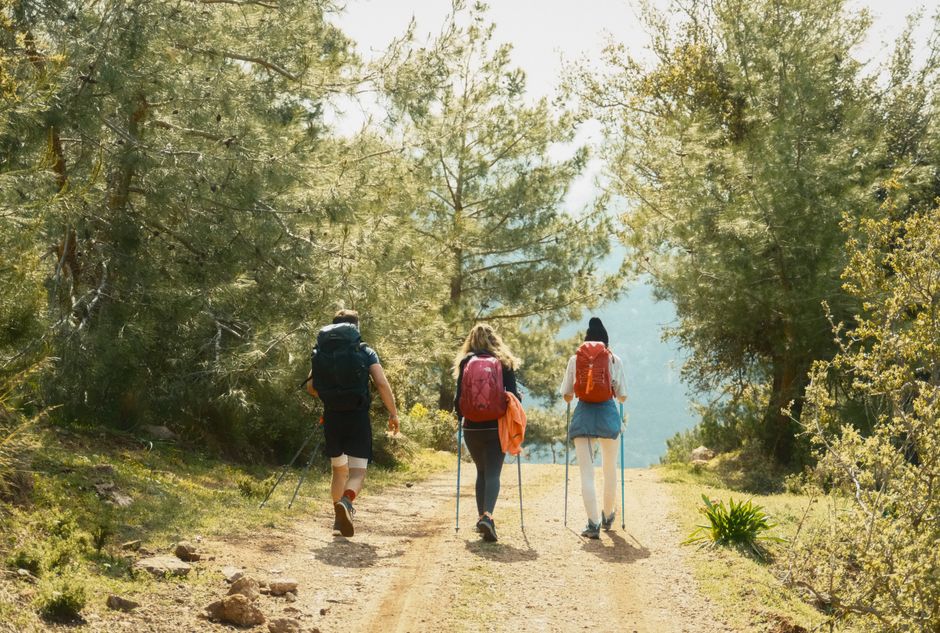
Pack for the coldest hour and the hottest climb. The solution introduced here is not a shopping list; it is a way to remove predictable failure points. Prices change by retailer, but these common US list prices give you a realistic 2026 budget.
The small kit that earns its weight
It works well for forest and mountain routes because the frame keeps the load close without forcing you into a large overnight pack. Carry at least two liters when the route lacks confirmed water.
It is a good choice for wet forest paths, but the waterproof upper can feel hot in dry desert terrain. Choose breathable trail shoes instead when the forecast stays dry and the route has no mud or stream crossings.
Safety tools for routes with weak reception
It makes sense for remote mountain routes, not a busy one-mile visitor-center loop.
Skip expensive gear when the route does not need it. For the Hoh Rain Forest short loops, water, rain protection, traction, and a charged phone matter more than a satellite communicator. For Mount Hood, the communicator and headlamp become easier to justify because the terrain has fewer simple exits.
Which cool route fits your actual weekend?
Can I hike with children or a mixed-ability group?
Start with the Hoh Rain Forest short loops. Hall of Mosses and Spruce Nature Trail keep the elevation gain low, offer frequent places to pause, and provide a strong sense of place without demanding a full-day effort. Go early, bring rain layers, and keep children close around roots, slick logs, and river edges. The route works because you can finish the main experience even if someone loses energy.
What if I want a serious mountain day?
Choose Mount Hood or Franconia Ridge only if every person in the group accepts exposure, wind, fast weather changes, and a long return. A high trail can feel cool at the trailhead and still become dangerous after a storm moves across the ridge. Pick a shorter out-and-back rather than committing to a loop when you do not know the current snow or water conditions.
What if I have only one free morning?
Choose a forest route within an hour of your lodging and start before sunrise. The best short August hike is the one that avoids a long drive, reaches shade quickly, and leaves enough time for a relaxed return. Chasing a famous summit several hours away often creates more heat exposure than the trail itself.
What can ruin a cool-weather hiking escape?
Do not confuse a cooler forecast with a safe route
My strongest recommendation is to reject any route whose safety depends on perfect weather. A shaded path can flood after heavy rain. A high ridge can lose visibility in minutes. A forest trail can feel mild while smoke reduces breathing comfort. Read the current alert, not only an old trip report or a photograph posted online.
Common mistakes include trusting a spring water source in late August, wearing cotton on a wet mountain, starting too late because the afternoon forecast looks cooler, and assuming downhill travel will feel easy after a tiring climb. Another error is packing for the destination rather than the route. A cool summit may require gloves, while the approach still demands sun protection and several liters of water.
Know when to cancel or change the objective
Turn around for worsening smoke, thunder, confusion, unusual weakness, repeated falls, or water levels that make a crossing uncertain. Do not let a reservation, parking fee, or social-media expectation push the group farther. A shorter walk beside a lake or through a forest still gives you the nature escape you wanted.
Late-summer hiking works best when you choose the landscape that controls heat, set a firm turnaround, and keep a nearby alternative ready. The single most important takeaway is this: for August heat, choose shade or elevation first, then choose the famous view.