
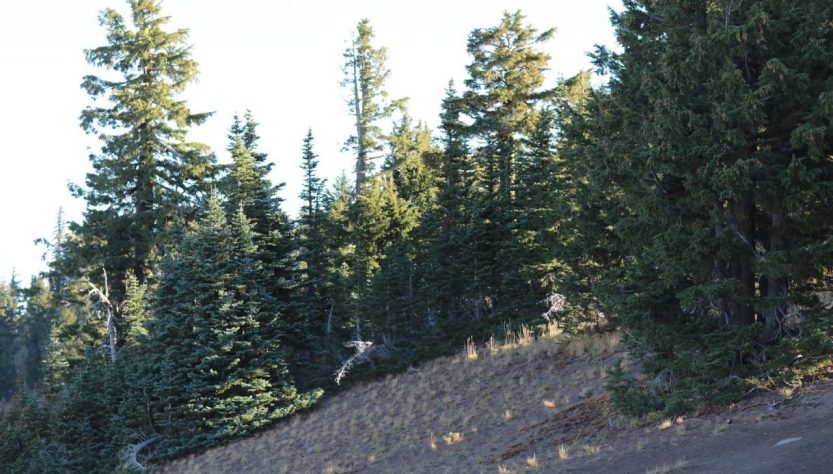
Nature Travel Gear That Actually Earns Its Space starts with a simple idea: nature trips work best when the route, weather, transport, and rest time are planned together. A beautiful place can still feel stressful if arrival is rushed or the day is packed too tightly.
Use this guide as a practical planning note rather than a rigid itinerary. The goal is to help you enjoy the landscape with fewer surprises and more time actually outside.
Prioritize dry feet
Start by matching nature travel gear to your energy level and the season. Distances on a map rarely show wind, heat, mud, ferry delays, or the time it takes to stop for views. A shorter route often creates a better trip.
Carry light layers
Build the day around one main landscape. When you try to combine too many viewpoints, the experience becomes transport instead of travel. One strong walk, lake, coast, village, or lookout is usually enough.
Choose compact power
Check small practical details before booking. Opening days, parking, last buses, food options, trail closures, and weather warnings make the difference between a smooth escape and a frustrating one.
Avoid single-use gadgets
Leave a quiet margin. Nature travel is better when there is time to sit, watch light change, and adjust to conditions. A flexible hour is often more valuable than another stop on the list.
Quick planning checklist
- Check weather, daylight, and transport before finalizing the route.
- Choose one main outdoor experience for the day.
- Carry water, layers, offline maps, and a simple backup plan.
- Respect signs, local rules, wildlife distance, and fragile paths.
The best nature travel gear plans feel calm because they make space for nature to set the pace. Keep the structure simple, protect the landscape, and give yourself enough time to notice why you came.