
You know the photo. The Golden Pavilion reflecting in a pond, surrounded by 400 people holding selfie sticks. I’ve stood in that crowd. It’s fine. But it’s not why you flew 12 hours. The real Kyoto is in the moss gardens nobody posts about, the tofu shops with three stools, and the mountain villages where the bus drops off six people. This is the 5-day route I’d give a friend who wants the postcard without the queue.
I’m not going to tell you to avoid every famous spot. That’s lazy advice. Instead, I’ll show you how to sequence the famous things at off-hours and fill the rest of your days with places that feel like a secret. You’ll need a Suica card, comfortable shoes, and a tolerance for walking uphill.
The Sequencing Mistake That Ruins Every Kyoto Trip
Most people plan by geography. They group all the east-side temples on Tuesday and all the west-side ones on Wednesday. That’s how you end up at Kiyomizu-dera at 11 a.m. with 10,000 other people. The fix is planning by time of day, not map proximity.
Kyoto’s crowds follow a predictable wave. Tour buses arrive at major temples between 9:30 a.m. and 4 p.m. The early morning (before 8:30) and late afternoon (after 4:30) are dramatically quieter. Some temples open at 6 a.m. Some gardens stay open until 5 p.m. Build your day around these edges.
Here’s the daily pattern I use:
- 6:30–8:30 a.m.: Hit one major sight or a hidden gem that gets busy later
- 9:00–11:00 a.m.: Do the lesser-known spots — they stay quiet even mid-morning
- 11:30 a.m.–1:00 p.m.: Eat lunch early, before the noon rush
- 1:00–4:00 p.m.: Rest, wander residential streets, or do a low-energy activity
- 4:30–6:00 p.m.: Second round of sightseeing as crowds thin
This isn’t a rigid schedule. But if you follow the shape of it, you’ll avoid 80% of the frustration that comes from fighting tour groups.
Day-by-Day Breakdown: 5 Days, Zero Herds
| Day | Morning (6:30–11:00) | Afternoon (1:00–4:00) | Evening (4:30 onwards) |
|---|---|---|---|
| 1 | Fushimi Inari summit loop (start at 7 a.m.) | Fushimi Sake District tasting | Tofuku-ji gardens, then dinner near Kyoto Station |
| 2 | Saiho-ji moss temple (reservation required) | Ohara village and Sanzen-in | Kurama onsen or riverside walk in Kibune |
| 3 | Philosopher’s Path north to south (early) | Ginkaku-ji, then Honen-in | Gion backstreets after dark |
| 4 | Arashiyama bamboo grove at 6:45 a.m. | Otagi Nenbutsu-ji and Adashino Nenbutsu-ji | Kiyomizu-dera at last entry |
| 5 | Daitoku-ji temple complex | Nishiki Market for late lunch | Pontocho alley, then depart |
This packs a lot in. Cut things if you’re tired. Kyoto rewards slow wandering more than checklist tourism.
Day 1: Fushimi Inari Without the Fight
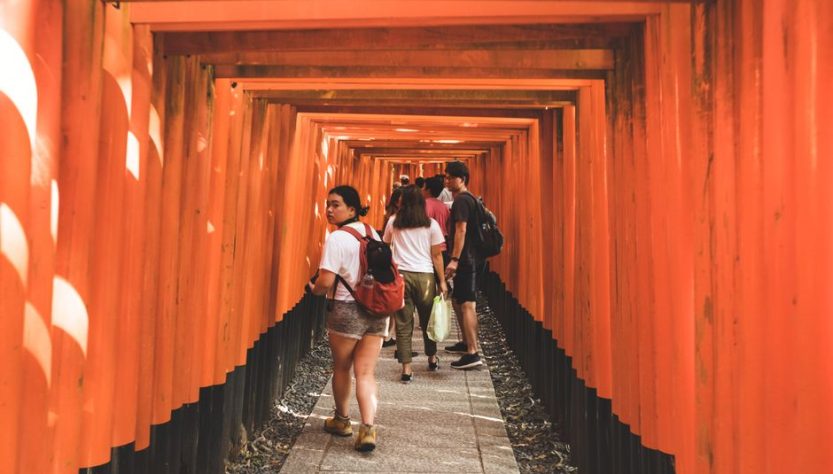
Everyone goes to Fushimi Inari. Almost nobody walks past the first 500 meters of torii gates. The full summit loop takes about 2.5 hours and the upper third is nearly empty even at noon. Start at 7 a.m. and you’ll have the lower gates mostly to yourself too.
After the hike, walk 15 minutes to the Fushimi sake district. The Gekkeikan Okura Sake Museum (¥600) gives you three tastings and a decent history lesson. Or skip the museum and go straight to Fushimi Sake Village, where ¥2,000 gets you a tasting flight of five local brews. I prefer the latter. Less talking, more drinking.
For lunch, eat at Torisei, a yakitori place that’s been running since 1891. The lunch set is around ¥1,800. Order the tsukune (chicken meatball) skewers. They’re the best in the district.
Day 2: The Moss Temple Requires Planning — Here’s the System
Saiho-ji (the moss temple) is the hardest reservation in Kyoto. You can’t just show up. You have to apply by mail at least 7 days in advance, or use the online reservation system that opened recently. The entry fee is steep — ¥4,000 — but it includes a calligraphy session where you trace a sutra before entering the garden.
Is it worth it? For me, yes. The moss garden has over 120 varieties and it glows green in a way no photo captures. The calligraphy part takes 20 minutes and feels gimmicky, but the garden access after is genuinely meditative. You’ll be one of maybe 30 people in the entire garden.
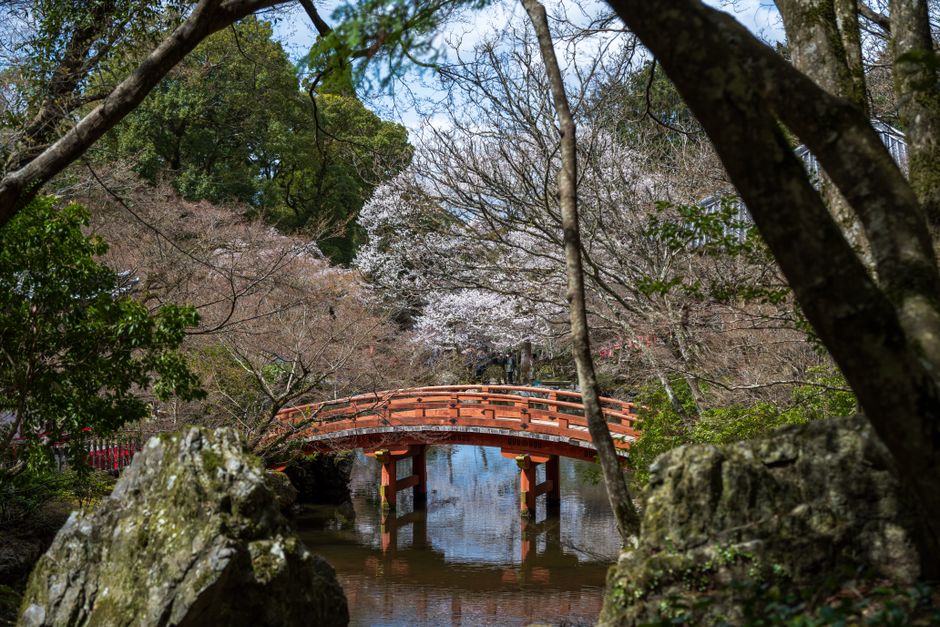
If you can’t get a reservation, go to Gio-ji instead. It’s a tiny moss temple in Arashiyama with a ¥600 entry fee and no reservation needed. It’s not as expansive, but the atmosphere is similar.
From Saiho-ji, take a bus north to Ohara. This village is 45 minutes from central Kyoto and feels like a different prefecture. Sanzen-in temple has a garden that’s particularly good in June (hydrangeas) and November (maple leaves). The walk from the bus stop to the temple passes through farm fields and small shops selling pickles and miso.
Day 3: The Philosopher’s Path in Reverse
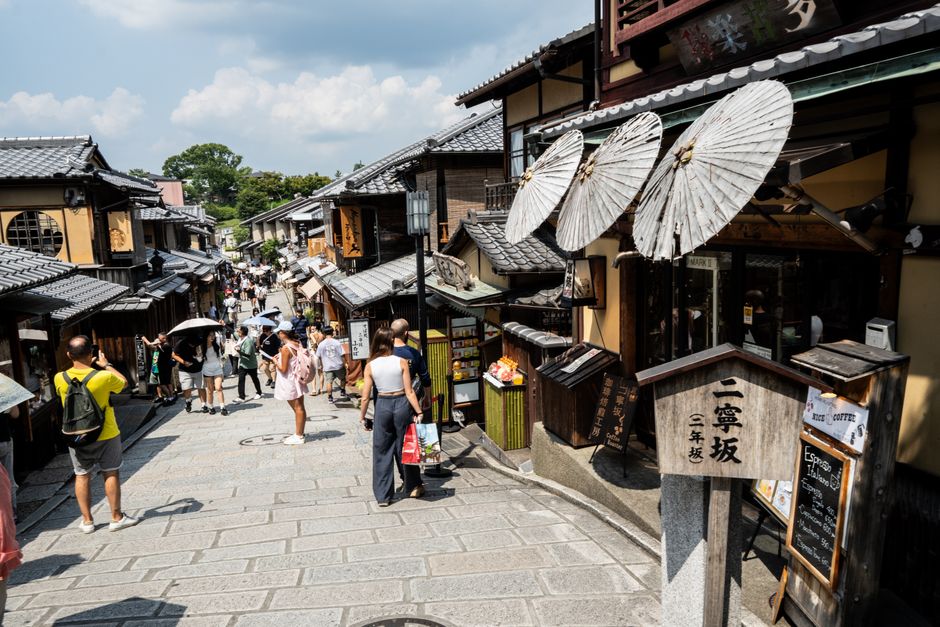
Most people start the Philosopher’s Path at Ginkaku-ji and walk south. I do the opposite. Start at the south end near Nanzen-ji at 7 a.m., walk north, and reach Ginkaku-ji right as it opens at 8:30. You’ll have the entire path nearly to yourself.
Along the way, duck into Honen-in. It’s free, rarely busy, and has a moss-covered gate that’s more atmospheric than most paid temples. The thatched-roof gate looks ancient because it is — it’s been rebuilt in the same style for centuries.
For lunch, stop at Omen near Ginkaku-ji. Their udon set (¥1,500–2,000) comes with seasonal vegetables and a sesame dipping sauce. There’s often a line by noon, so go at 11:30.
In the evening, walk through Gion’s backstreets after 9 p.m. The main Hanamikoji street is crowded, but the side alleys — Shinbashi-dori especially — are quiet and lantern-lit. You might see a geiko heading to an appointment. Don’t chase her with your camera. Just watch.
Day 4: Arashiyama at Dawn, Then the Forgotten Temples
The bamboo grove is a 10-minute walk from JR Saga-Arashiyama station. At 7 a.m., you’ll share it with maybe 10 other people. At 10 a.m., it’s a conga line. Go early or skip it entirely.
After the grove, walk north for 30 minutes or take a taxi (¥1,500) to Otagi Nenbutsu-ji. This is the hidden gem of Arashiyama. It has 1,200 stone statues of Buddhist disciples, each with a different facial expression. They were carved by amateurs in the 1980s under the guidance of a master sculptor. The result is chaotic, funny, and deeply human. Entry is ¥300. You’ll likely be alone.
Nearby, Adashino Nenbutsu-ji has 8,000 stone statues commemorating the dead from centuries past. It’s somber but beautiful, especially in the late afternoon light.
End the day at Kiyomizu-dera. The temple closes at 6 p.m. but the last entry is around 5:30. The crowds thin dramatically after 4:30. The wooden stage overlooking the city is worth seeing once, and the sunset from there is the best time to do it.
Day 5: Daitoku-ji and the Food Streets Nobody Mentions
Daitoku-ji is a walled temple complex in north Kyoto with over 20 sub-temples. Most are closed to the public, but four are open daily. My pick is Zuiho-in, which has a rock garden designed in the 1960s that incorporates Christian symbolism. It’s ¥400 and almost always empty.
For lunch, skip the touristy Nishiki Market stalls and go to the side streets around it. Nishiki itself is fine for a quick snack — try the tamagoyaki (rolled omelet) at Tanaka Keiran for ¥200 — but the surrounding alleys have better sit-down food. I like Kichi Kichi Omurice for the theatrical omelet rice, but you need a reservation weeks ahead.
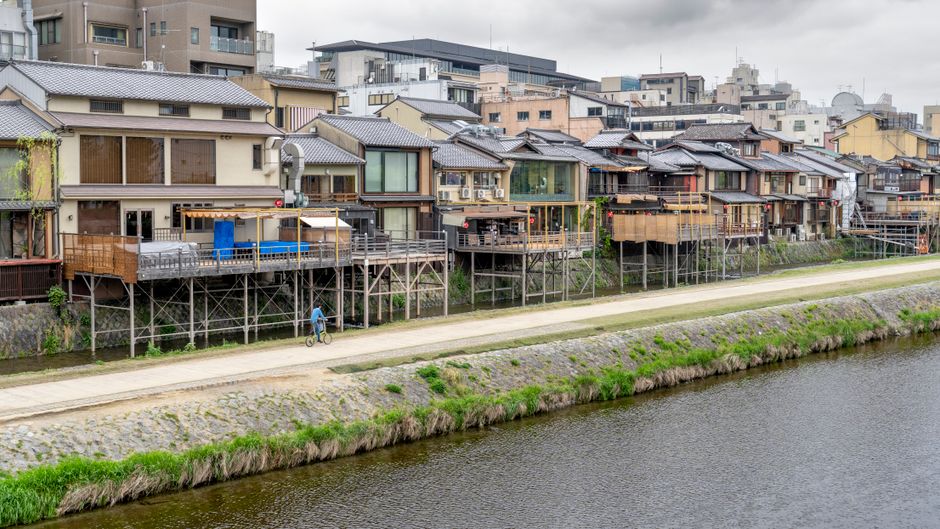
End the trip in Pontocho. This narrow alley along the Kamogawa River is touristy but atmospheric. The restaurants are expensive at dinner, so go for a drink instead. Bar K6 is a tiny standing bar with craft beer and no sign. It’s around ¥800 for a pint. Or just walk the alley and absorb the lanterns.
What I’d Skip (And What to Do Instead)
You don’t need to see everything. Some Kyoto attractions are overrated for the time they consume.
- Skip Kinkaku-ji (Golden Pavilion). It’s a 30-minute round trip from central Kyoto and you’ll spend 20 minutes in a queue for a photo you’ve seen a thousand times. Go to Ryoan-ji next door instead. The rock garden is more interesting and less crowded.
- Skip the Arashiyama Monkey Park. It’s a 20-minute uphill hike to see monkeys that are fed by staff. The view is nice, but you can see monkeys in many places. The time is better spent at Otagi Nenbutsu-ji.
- Skip Nishiki Market at lunchtime on weekends. It becomes a human traffic jam. Go on a weekday at 10 a.m. or 3 p.m. instead.
- Skip the bus if you can walk. Kyoto buses are slow and crowded. The subway and walking are often faster for distances under 2 km.
One more thing: buy a Kyoto City Bus & Subway One-Day Pass (¥1,100) if you’re taking more than three rides in a day. Otherwise, just tap your Suica card and don’t overthink it.
The Numbers: What This Trip Actually Costs
Kyoto is not cheap, but it’s not Tokyo either. Here’s a realistic per-person daily budget for this itinerary, excluding accommodation:
| Item | Cost (¥) | Notes |
|---|---|---|
| Transportation | 1,000–1,500 | Bus/subway pass or Suica taps |
| Temple entries | 1,500–2,500 | Saiho-ji is ¥4,000 alone |
| Lunch | 1,200–2,000 | Set meals at local spots |
| Dinner | 2,000–3,500 | Casual restaurants, not kaiseki |
| Snacks and drinks | 1,000 | Coffee, sake tasting, street food |
| Total per day | 6,700–10,500 | Roughly $45–70 USD |
If you add one splurge meal — a proper kaiseki dinner or a tea ceremony — add ¥10,000–15,000. My advice: skip the fancy kaiseki and spend that money on a second trip. The everyday food in Kyoto is better than most fine dining elsewhere.
Kyoto is changing. The post-pandemic tourist surge has made some parts unbearable, but the city’s genius is that it hides its best places in plain sight. A moss garden behind an unmarked wooden door. A tofu shop with no English menu. A mountain village 45 minutes by bus that feels like a different century. That’s the Kyoto worth flying for. Go early, walk far, and leave the tour buses behind.