
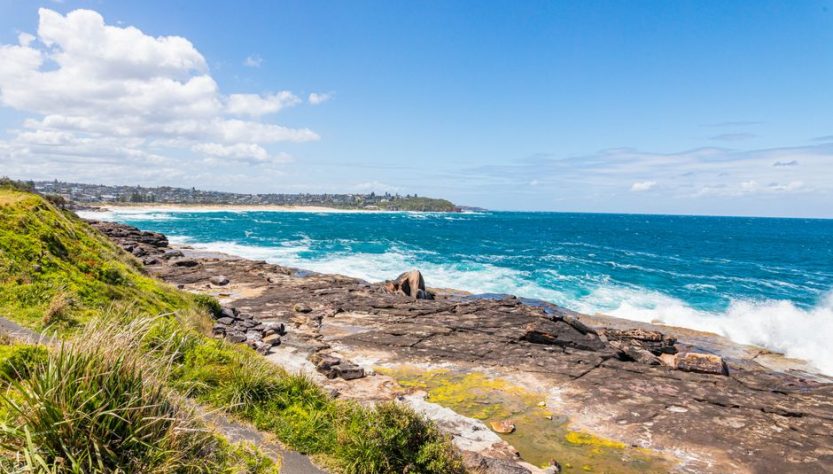
June is not too early for whale watching on Australia’s east coast. That is the common mistake. Humpback whales are already moving north from Antarctic feeding grounds, and New South Wales usually reaches its strongest northbound viewing period around late June and July. You will not see a whale on every visit, but June gives you a real chance from Byron Bay to Eden, with Sydney sitting in the middle of the route.
My clear verdict: choose Sydney or Byron Bay for the best balance of access, scenery, and June sightings. Choose Hervey Bay if you want a boat-based experience in sheltered water, but expect the strongest Queensland action from July to October.
Where to watch whales in June from Byron Bay to Eden
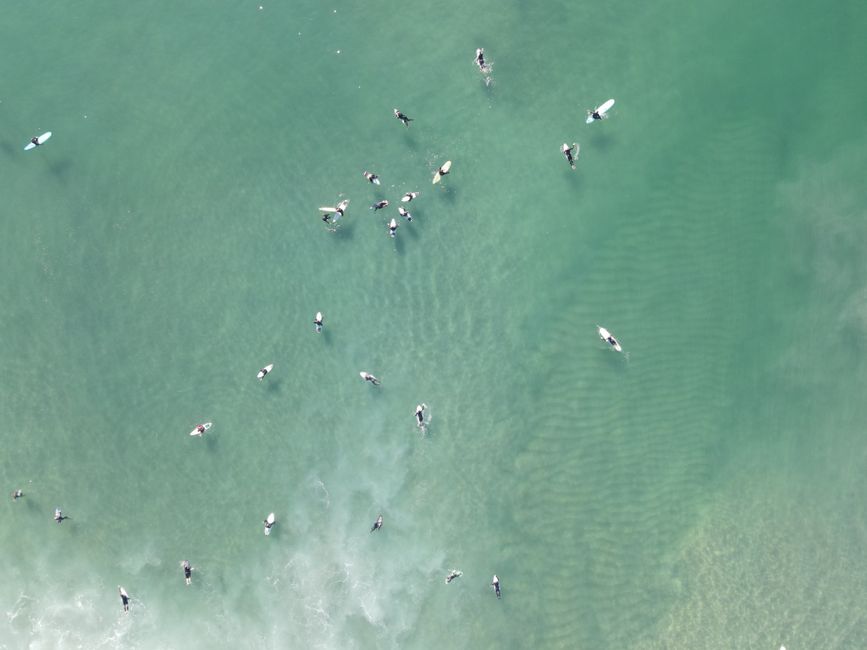
The best land-based route runs through New South Wales. These locations offer cliffs, headlands, or elevated platforms that give you enough height to scan the sea. The table shows the practical difference between the main stops.
| Location | Best June use | What to expect | Verdict |
|---|---|---|---|
| Cape Byron Lighthouse | Easy first choice in northern NSW | Northbound humpbacks, wide headland views, frequent June sightings | Best for visitors staying in Byron Bay |
| Lighthouse Beach and Angels Beach | Alternative Ballina viewpoints | Open coastal views, less concentrated foot traffic than Cape Byron | Best for a quieter shore watch |
| Cape Solander, Kamay Botany Bay | Sydney’s strongest dedicated lookout | June and July migration views, viewing platform, interpretive signs | Best for a first-time Sydney visitor |
| Bondi to Dover Heights | Whale watching combined with a city walk | Long coastal sightlines and several elevated viewpoints | Best if you do not have a car |
| Short Point, Merimbula | South Coast road trip stop | Views across Merimbula Bay and occasional southern right whales | Best for a regional driving itinerary |
| Green Cape Lookout, Eden | Southern NSW landscape and wildlife trip | Broad coastal views and access through Beowa National Park | Best for a slower multi-day road trip |
The strongest single lookout
Cape Solander is my pick for a single Sydney stop. It sits inside Kamay Botany Bay National Park and provides a purpose-built viewing area with a broad sweep of ocean. Whales can still be far offshore, so bring binoculars. The nearby coastal walk adds value if the sea stays quiet during your visit.
The best northern stop
Cape Byron Lighthouse wins for travellers based in Byron Bay. It is easy to reach, visually dramatic, and positioned at Australia’s most easterly mainland point. Byron’s June season commonly produces frequent sightings, while July tends to bring more surface action. Ballina’s Lighthouse Beach, Angels Beach, Flat Rock, and Skennars Head give you useful backup locations if Cape Byron is crowded or windy.
Byron Bay, Sydney, or Hervey Bay: which should you choose?
Choose Sydney for the best all-round June trip. It has reliable transport, several headlands, and enough alternative activities to save the day if the sea is empty. Cape Solander, North Head, Bondi, Dover Heights, and Barrenjoey Headland all give visitors different angles on the same migration corridor.
Pick Byron Bay for scenery and easy access
Byron Bay is the better choice for a relaxed coastal holiday. Cape Byron gives you a strong land-based option, and local tours usually begin operating in June. The trade-off is simple: the whales may still be far offshore, and the famous close-to-shore mother-and-calf encounters usually become more common from August onward. Book Byron in June for the whole destination, not for a guaranteed close pass.
Pick Hervey Bay for sheltered water
Hervey Bay is different from the NSW lookouts. Humpback season runs from June to November, but the main concentration of sightings usually arrives from July to October. June can produce adult whales resting and socialising in the bay, yet the calm water is the real advantage. If rough offshore conditions make you uncomfortable, a Hervey Bay cruise is the strongest alternative to a cliff-top watch.
Skip Eden for a single-day whale mission
Eden is excellent on a South Coast road trip, but it is not the efficient choice for a quick whale weekend from Sydney. The drive takes more than six hours, and sightings can be less predictable than at major northern headlands. Go there for Beowa National Park, Twofold Bay, coastal scenery, and the chance to see whales as part of a wider trip.
How to watch whales from shore without wasting the day
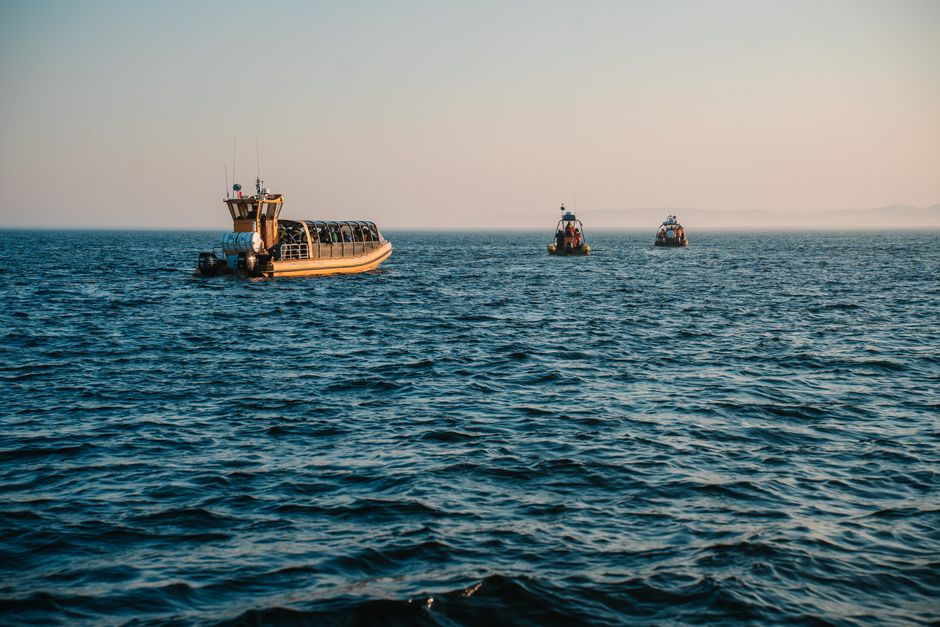
Land-based whale watching rewards patience, but only if you use the right method. Most people stare at the water for ten minutes, see nothing, and leave. That is not a whale-watching strategy.
- Check the sea first. Avoid heavy swell, rain bands, and strong onshore wind when possible. White water hides blows and fins.
- Arrive with binoculars. An 8x or 10x pair is enough for most headlands. A phone camera will not replace them. Digital zoom turns a distant whale into a blurry grey mark.
- Scan in sections. Start at the horizon, then work slowly toward the near water. Look for a vertical blow, a dark back, a triangular dorsal fin, or seabirds suddenly gathering.
- Watch for repeated surfacing. A humpback may surface several times before a deeper dive. Keep your eyes on the last location instead of sweeping randomly across the entire ocean.
- Stay for at least 45 minutes. One quiet ten-minute stretch proves nothing. A longer session gives you several chances to catch the same travelling group.
- Use the wind intelligently. Morning can offer cleaner viewing when the surface is calm, but conditions matter more than the clock. A clear afternoon beats a hazy morning.
What to pack
Take binoculars, a warm layer, water, sunscreen, and shoes with good grip. Coastal platforms can be exposed even on sunny winter days. A small notebook helps you record the time and direction of sightings, which makes repeated visits more useful.
How to stay safe on cliffs
Use marked paths and viewing platforms. Do not climb barriers for a better photograph. Wet rock, sudden gusts, and unstable edges create more danger than the whales do. Check national park alerts before leaving, especially after rain or strong surf.
What mistakes ruin a June whale-watching trip?
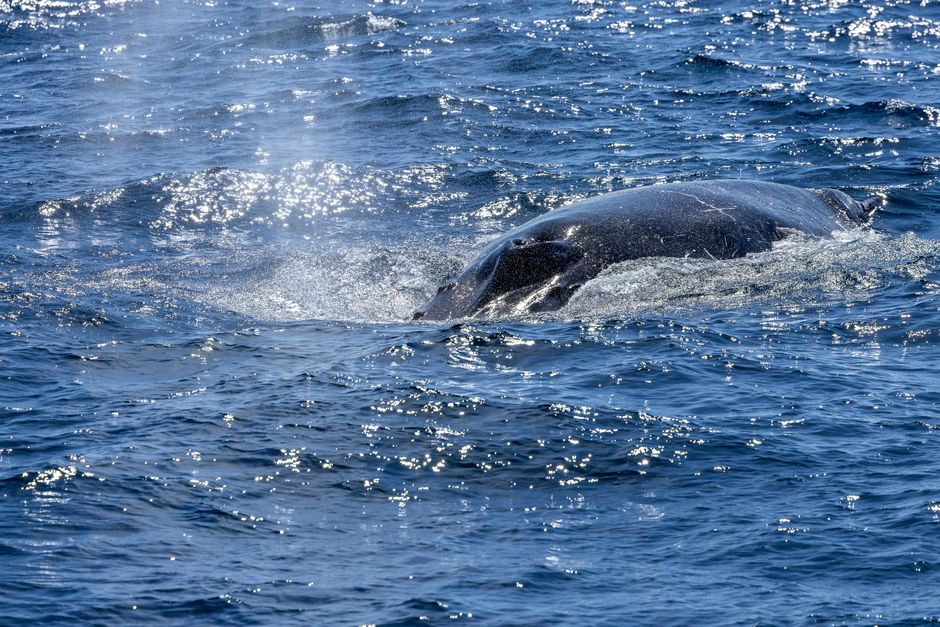
Will I see whales every time I visit a lookout?
No. Migration season raises the odds; it does not create a timetable. Weather, swell, visibility, whale position, and time spent watching all matter. A lookout with a strong reputation can still be empty for an hour. Plan a second activity nearby so the day does not depend on one breach.
Is June better than July?
Not quite. June is already a good northbound month, but late June and July usually offer the strongest NSW numbers. June works well when flights or accommodation are cheaper, crowds are lighter, or you want to combine whales with a winter coastal trip. If the whale display itself is the only reason for travelling, late June or July gives you a better statistical edge.
Should I travel all the way to Queensland?
Only if the sheltered-water experience matters more than peak timing. Hervey Bay’s season begins in June, but July to October is the stronger window for the bay’s famous resting and socialising whales. Travelling north in June because Queensland sounds warmer is not a sound whale-watching plan. Sydney and Byron Bay sit directly on the northbound route and usually make more sense.
The best June plan is one flexible coastal base
Do not chase whales along the entire east coast in one week. That creates long drives, thin viewing time, and too much dependence on one forecast. Base yourself in Sydney for three nights and use Cape Solander, Bondi to Dover Heights, and one northern headland as your viewing options. If your first day is rough, the second may be calm; if both fail, you still have a real city holiday.
Choose Byron Bay instead if you want a slower trip with Cape Byron as the main lookout and Ballina as the backup. Choose Hervey Bay if a sheltered cruise matters most, accepting that June is the opening of the season rather than its peak. Choose Eden only when the South Coast landscape and road trip are part of the point.
The opening misconception was that June is too early. It is not. June puts you in the right season, especially along the NSW coast, but the winning approach is to choose one strong base, watch for at least 45 minutes, carry binoculars, and leave room for weather. That is how a quiet ocean becomes a genuine whale sighting instead of an expensive day spent waiting for a postcard moment.