
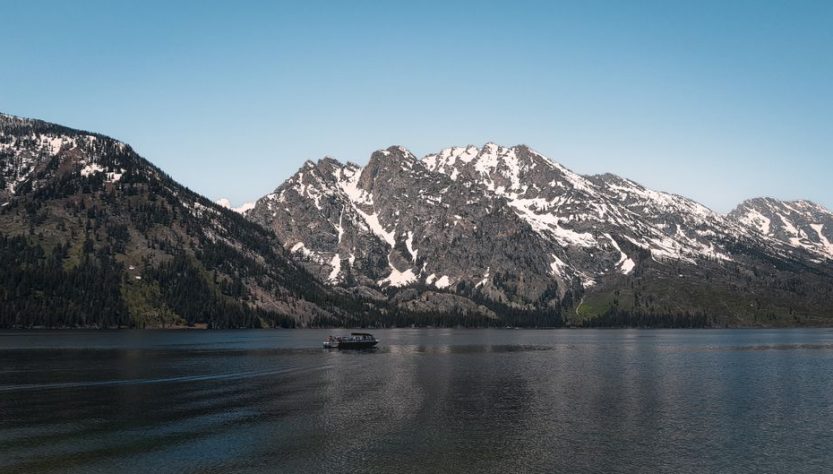
Lake Annecy is the best all-round choice for swimming and easy mountain walks, while Oeschinensee offers the strongest high-alpine setting. July gives the Alps long daylight, open cable cars, and more reliable trail access, but snowmelt can keep high lakes painfully cold and afternoon storms can close exposed routes. Choose the lake for the experience you actually want: warm water, dramatic altitude, a quiet shoreline, or a serious hike above the tree line.
Which Alpine lakes are best for swimming in July?
Warm water or high-mountain scenery?
The best swimming lake is not always the highest lake. Low and mid-elevation lakes warm faster, offer marked beaches, and give you a better chance of enjoying a long swim after a hike. High lakes look more dramatic, but snowmelt, shade, and wind can keep the water close to cold-plunge temperature even in July.
| Lake | Elevation | Typical July water | Best use |
|---|---|---|---|
| Lake Annecy, France | 447 m | About 21–24°C | Swimming, beaches, shore walks |
| Lac de Montriond, France | 1,064 m | About 18–22°C | Designated swimming and easy walks |
| Lake Bohinj, Slovenia | 526 m | About 18–23°C | Swimming and longer lakeside routes |
| Oeschinensee, Switzerland | 1,578 m | About 10–16°C | Cold dip and high-alpine scenery |
| Lago di Braies, Italy | 1,496 m | About 10–15°C | Shore walk and mountain photography |
My clear July pick
Choose Lake Annecy if swimming matters more than altitude. The lake sits at 447 metres, has several beaches, and gives you mountain views without demanding a full mountain day. Choose Oeschinensee if the view matters more than the swim. Its turquoise water, cliffs, waterfalls, and cable-car access create the classic high-Alpine scene, but the water may feel more like a brief plunge than a relaxing afternoon swim. Lago di Braies wins for a beautiful shoreline loop, not for swimming; local signs and conservation rules should guide every activity there.
How cold are Alpine lakes in July?
The short answer
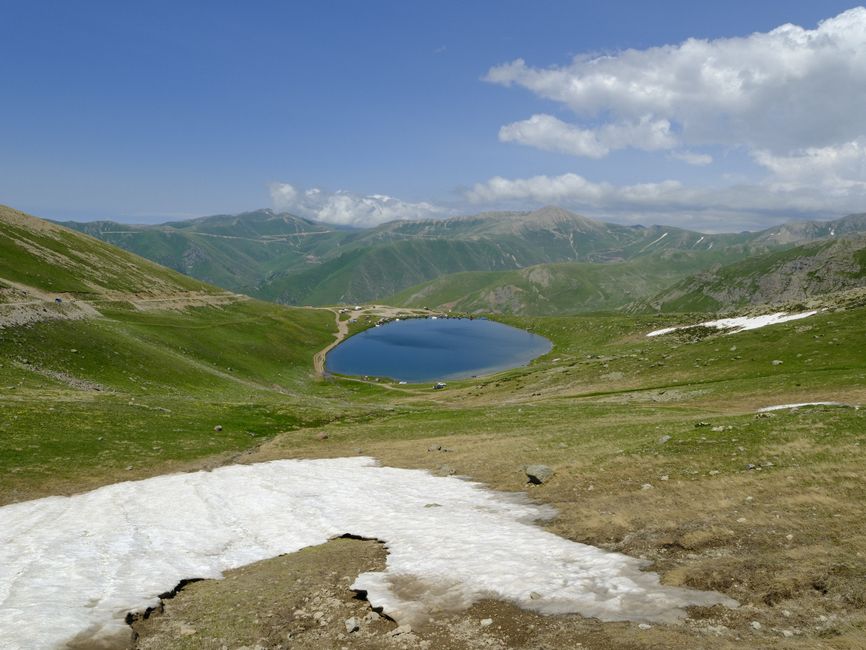
High Alpine lakes can remain between 8°C and 16°C in July because snowfields and underground springs feed them with cold water, so a sunny air temperature of 25°C does not promise comfortable swimming; enter slowly, stay close to the shore, and stop at the first sign of numbness, shivering, dizziness, or confused breathing.
Why surface temperature misleads
A sheltered bay may feel warmer than the centre of a lake, but wind can mix the water quickly, and sudden cold shock can make a confident swimmer gasp or lose strength before reaching shore, which makes a short dip beside a supervised beach safer than a long open-water crossing at an isolated high lake.
How to plan an Alpine lake hike around July weather
Start with the altitude profile
A lake visit can look easy on a map and still become a demanding mountain day. Oeschinensee has straightforward access from the Kandersteg cable car, but longer viewpoints climb onto rougher paths above the shore. The walk around Lago di Braies is far easier than a route that continues toward the high passes above the lake. Lake Annecy creates the opposite problem: the shoreline is accessible, yet routes on La Tournette or the Roc de Chère can add steep forest, exposed rock, and heat.
Read the route as a sequence rather than a single distance. A 6-kilometre loop with 250 metres of ascent may suit most visitors, while a 6-kilometre route with 700 metres of ascent needs stronger legs, more water, and an earlier start. Check the latest lift timetable, trail closures, storm forecast, and public transport schedule on the morning of the hike. July snow can still block shaded sections above 2,000 metres, especially after a cool spring.
Use a morning-to-afternoon rhythm
Leave the valley early, reach the lake before the busiest period, and complete exposed climbs before the usual afternoon thunderstorm window. Plan the swim after the hardest walking, not before it. Cold water can tighten tired muscles, and a wet swimsuit under a cooling breeze can make the return journey miserable. A simple plan works well: hike uphill from 8:00 to 11:00, eat beside the lake around noon, swim only if conditions and local rules allow, then return before clouds build.
Build in a dry alternative for every destination. At Oeschinensee, that might mean a shorter shoreline walk if the upper trail closes. Around Lake Annecy, choose a low forest walk or a village beach if the ridge forecast turns bad. A flexible route protects the day without pretending that Alpine weather follows a holiday itinerary.
What to pack for swimming and hiking at an Alpine lake
The small kit that earns its space
Pack for two environments: a warm shoreline and a cold, windy trail. The most useful items are light, quick to access, and still functional after a swim.
- Dry layer: Carry a long-sleeve merino or synthetic top, dry underwear, and lightweight trousers in a waterproof bag.
- Water: Take at least 1.5 litres per person for a moderate day, and more for exposed climbs. High lakes rarely offer reliable drinking water.
- Footwear: Use shoes with a firm sole and real tread. Smooth trainers struggle on wet roots, loose scree, and rocky shorelines.
- Sun protection: Bring SPF 30 or higher, sunglasses, and a hat. Reflection from bright water increases glare, even on cool days.
- Safety items: Carry a small first-aid kit, headlamp, power bank, and offline map. Tell someone your route when hiking alone.
- Swim items: A compact towel, dry bag, and simple swimwear beat a heavy beach setup. Leave glass containers and inflatables at home.
Specific gear examples, without the shopping pressure
These items do not replace route judgment, local information, or a weather check.
What are the swimming rules and safety risks?
Can you swim in every Alpine lake?
No. Some lakes protect drinking water, fragile shore habitats, nesting birds, or busy boating areas. A clear blue lake does not automatically allow swimming. Follow posted signs, use marked beaches, and ask the local tourist office or park staff when the rules look unclear. Oeschinensee, Lago di Braies, and other famous lakes can change access arrangements during busy periods, construction, wildfire risk, or unsafe weather.
What creates the biggest danger?
Cold shock, slippery rocks, sudden storms, and poor judgement create more problems than the distance from the car. Never dive from an unknown ledge, swim alone across a lake, or enter moving water near an outlet or waterfall. Keep children within arm’s reach near steep banks. Leave the water immediately when thunder approaches, and avoid standing under isolated trees or on exposed ridges.
Check your body before entering. If you feel chilled after the hike, warm up and eat first. Enter gradually, keep the first swim short, and bring a dry layer for the walk back. A swim should add to the mountain day, not become the part that forces a rescue call.
Which Alpine lake should you skip in July?
My strongest recommendation
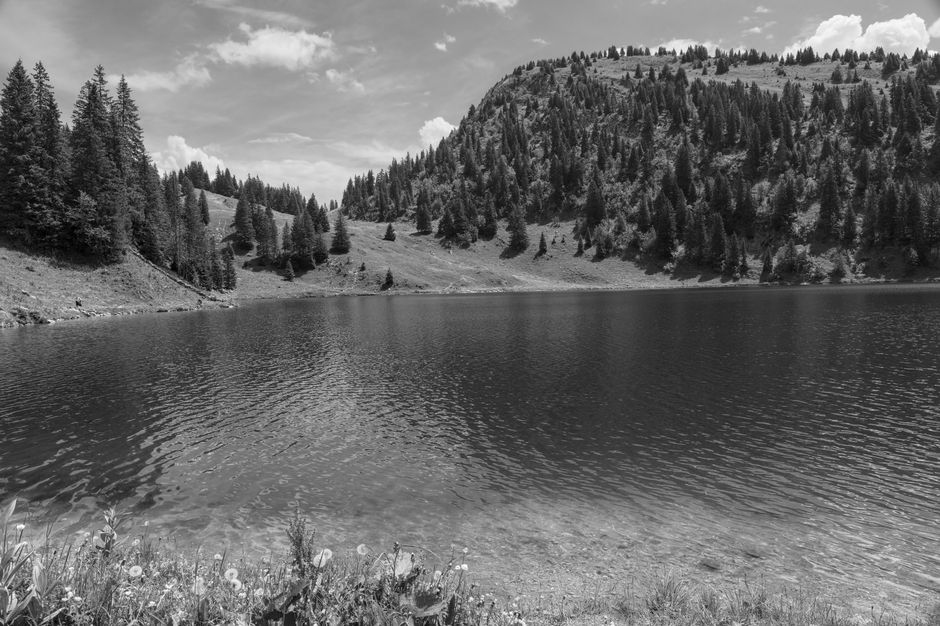
Skip the famous lake that does not match your main goal. If you want a long, comfortable swim, do not choose Oeschinensee just because photographs show turquoise water. If you want solitude, do not build your day around Lago di Braies in the middle of a clear July weekend. If you want a serious high-mountain hike, do not expect the flat shoreline at Lake Annecy to deliver the same feeling as a route above 2,000 metres.
Choose Lake Annecy for warm water, reliable services, and flexible short walks. Choose Lac de Montriond for a smaller French lake with a stronger mountain setting and easier swimming than the highest Swiss lakes. Choose Lake Bohinj for a quieter Slovenian base with swimming, forest paths, and longer routes into Triglav National Park. Choose Oeschinensee for scenery first, and treat the swim as optional.
Common mistakes that ruin the day
- Arriving at noon and finding the car park, cable car, or shuttle full.
- Assuming a trail is open because a map still shows it.
- Using a lake temperature from a different month or a different part of the shore.
- Carrying too little water because the route follows a lake.
- Starting an exposed climb after dark clouds have already formed.
- Leaving wet swimwear under a jacket instead of changing into dry clothing.
July makes Alpine lake travel accessible, but it does not remove the mountain’s rules. The best days combine a realistic route, a legal swimming spot, and enough time to change plans when clouds roll over the peaks. As warmer summers reshape the timing of snowmelt and trail openings, these lakes will reward visitors who plan around conditions rather than around a single perfect photograph.