
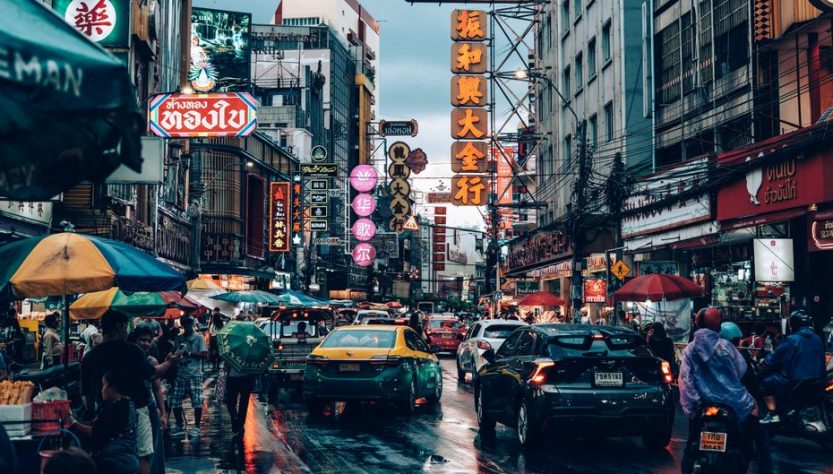
The banana pancake trail is dead. Sort of. You can still eat pad thai for $2 and sleep in a fan room for $8. But the idea that Southeast Asia is a magical land where $30 a day buys you an adventure of a lifetime? That math stopped working in most places around 2019, and 2026 is a different beast entirely.
I get asked constantly whether budget backpacking through Thailand, Vietnam, Cambodia, and Laos is still worth it. The answer is yes, but only if you know exactly where to go and what to avoid. If you land in Bangkok and follow the crowd to Khao San Road, you will bleed money faster than you can say “Chang beer.”
This is not a fluffy guide. This is what I tell friends who ask me if they should book that one-way ticket. Real numbers. Real places. No sugarcoating.
The $35 a Day Question: Where That Budget Still Works
Let’s kill the myth first. The old backpacker budget of $25-$30 per day covering everything is gone in most of Thailand and southern Vietnam. But it still works in two places: northern Laos and rural Cambodia. If you are willing to skip the beach towns and the party islands, you can still travel on very little.
In Luang Prabang, a dorm bed at Downtown Backpackers Hostel runs about 80,000 kip ($4). A bowl of khao soi from the night market costs 25,000 kip ($1.20). You can rent a bicycle for 30,000 kip ($1.50) and spend the day visiting temples. That is a real budget day.
In Kampot, Cambodia, a private room with a fan at Monkey Republic costs $6. A plate of lok lak with rice runs $2.50. You can spend a week there for under $100 total if you stay out of the expat bars on the riverfront.
The problem is that most people do not actually want to spend their entire trip in quiet towns. They want the beaches. They want the islands. And that is where the budget breaks.
What $35 a Day Actually Gets You in 2026
- Northern Laos (Luang Prabang, Nong Khiaw): Dorm bed $4-$6, street food $1.50-$3 per meal, bus between towns $8-$12. Total: $25-$35. Very doable.
- Rural Cambodia (Kampot, Battambang): Private room $6-$10, local meals $2-$4, tuk-tuk rides $1-$3. Total: $25-$40. Still cheap.
- Northern Vietnam (Ha Giang, Cao Bang): Homestay $5-$8, meals included in many homestays, motorbike rental $8-$12 per day. Total: $30-$45. Worth every dong.
- Southern Thailand islands (Koh Phi Phi, Koh Samui): Dorm bed $15-$25, meals $5-$10, boat transfers $15-$30. Total: $50-$80. Budget backpacking is over here.
See the pattern? The further you get from airports and Instagram geotags, the more your money stretches. This is not new advice, but the gap between cheap and expensive has widened dramatically since 2026. The cheap places stayed cheap. The popular places got expensive, fast.
Thailand in 2026: The Split Personality of Budget Travel
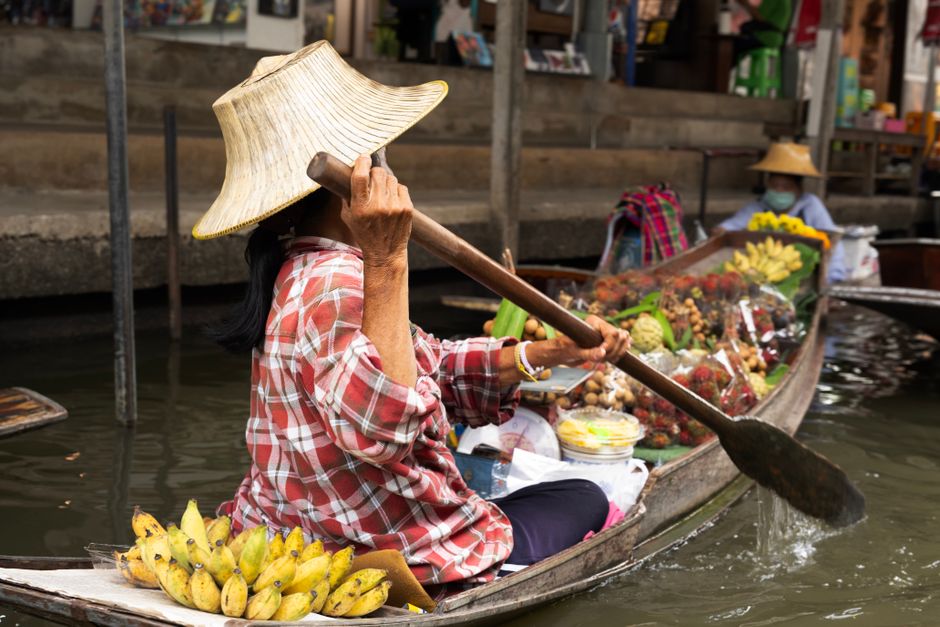
Thailand is no longer one country for backpackers. It is two completely different experiences, and which one you get depends entirely on where you land.
If you fly into Bangkok and head south to the islands, you are walking into a tourism machine that has optimized for extracting maximum cash from minimum time. Koh Phi Phi dorm beds hit $25 a night in high season. A basic pad thai on the main strip costs $6. That is not budget travel. That is just travel with extra steps.
But if you go north, or east, the old Thailand still exists. In Chiang Rai, you can get a private room at Mercy Hostel for $9. In Isaan, the northeastern region that most backpackers skip entirely, a full meal with sticky rice and grilled chicken costs $2. You can rent a scooter for $6 a day and not see another foreigner for a week.
My honest take: if you want the Thai islands, accept that you are not budget backpacking. You are on a mid-range holiday. Budget $60-$80 a day and stop pretending. If you want actual budget travel in Thailand, go north of Chiang Mai or east of Khon Kaen. That is where the real country is, and it is still absurdly cheap.
Where to Skip in Thailand
Skip Phuket entirely. Skip Koh Samui unless you are flying in for a specific reason. Skip Khao San Road unless you want to pay $4 for a beer and share a room with someone who has been traveling for eight months and lost their sense of smell. These places are not bad. They are just not budget, and the value is terrible.
Vietnam: The Last Great Budget Destination
Vietnam is the answer. If you are asking whether budget backpacking Southeast Asia is still worth it in 2026, the answer is: go to Vietnam. The country has somehow managed to keep prices low while improving infrastructure. Trains run on time. Buses have AC. And a bowl of pho still costs 40,000 dong ($1.60).
In Hanoi, a dorm bed at Hanoi Central Backpackers runs $5. A bia hoi, the fresh draft beer served on plastic stools, costs 15,000 dong ($0.60). You can eat three meals a day of street food for under $6 total. That is not an exaggeration. That is the menu.
The Ha Giang Loop, a 350-kilometer motorbike route through the northern mountains, is the best budget adventure in the world right now. A four-day loop with bike rental, fuel, homestays, and food costs around $80-$100 total. You will see landscapes that rival anything in the Alps, and you will eat meals cooked by families who charge you $3 for a feast.
Southern Vietnam is more expensive. Ho Chi Minh City is a real city with real prices. But even there, you can find com tam (broken rice with grilled pork) for $1.50 and a decent dorm bed for $7. The trick is to avoid District 1, the tourist core, and eat where the office workers eat.
The One Mistake Everyone Makes in Vietnam
They book everything in advance. Do not do this. Vietnam is a country where showing up works better than planning. Homestays in the north have beds available. Bus companies run daily routes. Booking through Western platforms adds 30-50% to every price. Walk into a hostel, ask for a bed, pay in dong. You will save hundreds over a month.
Connectivity Costs: The Hidden Budget Killer
Here is something nobody talks about in budget guides: your phone bill. You land in Bangkok, you need data for maps, translation, booking buses. If you are not careful, you will spend $10-$15 a day on roaming or tourist SIM cards that expire every week.
I use Airalo for Southeast Asia now. It is an eSIM app that lets you buy a regional plan before you land. The Airalo Asialink eSIM covers Thailand, Vietnam, Cambodia, Laos, and eight other countries. You buy 10GB for 30 days for about $37. That is $1.23 a day for data across multiple borders. Compare that to buying a physical SIM in every country: $5-$10 per SIM, plus the time wasted at airport kiosks, plus the hassle of swapping cards. The eSIM pays for itself by day three.
This matters because connectivity is not optional anymore. You need Google Maps for the Ha Giang Loop. You need Grab to avoid being overcharged by tuk-tuk drivers in Phnom Penh. You need to check bus schedules online. A $1.23 daily data cost is not a luxury. It is a budget tool that prevents you from getting ripped off.
When Budget Backpacking Southeast Asia Is NOT Worth It
If you have two weeks of vacation and you want to see beaches, party, and relax, do not budget backpack. This is the honest truth that most travel blogs will not tell you. Budget backpacking is slow. It is buses that take 12 hours when a flight takes one. It is fan rooms when it is 38 degrees. It is eating street food when your stomach is already upset.
If you have limited time and a normal salary, fly to Krabi or Da Nang, book a mid-range hotel, and enjoy your holiday. You will spend $80-$100 a day and have a much better time than someone trying to stretch $30 a day through the same region. Budget travel is a lifestyle choice, not a virtue. It works best when you have time, not money.
The second scenario where budget backpacking fails: when you follow the same route as everyone else. The banana pancake trail is expensive because it is popular. If you go to Pai, Chiang Mai, Luang Prabang, Vang Vieng, Siem Reap, and the Thai islands, you are following a well-worn path where every guesthouse owner knows exactly what you will pay. You are not discovering anything. You are consuming a product.
The third failure mode: traveling with a partner or group and insisting on private rooms in tourist hubs. A private room in a Bangkok hostel near Khao San costs $25-$35. That is the same price as a budget hotel. You are paying hostel prices for hotel rooms in the wrong neighborhood. Either get a dorm bed or get a real hotel. The middle ground is where money disappears.
The 2026 Verdict: Where to Go and What to Skip
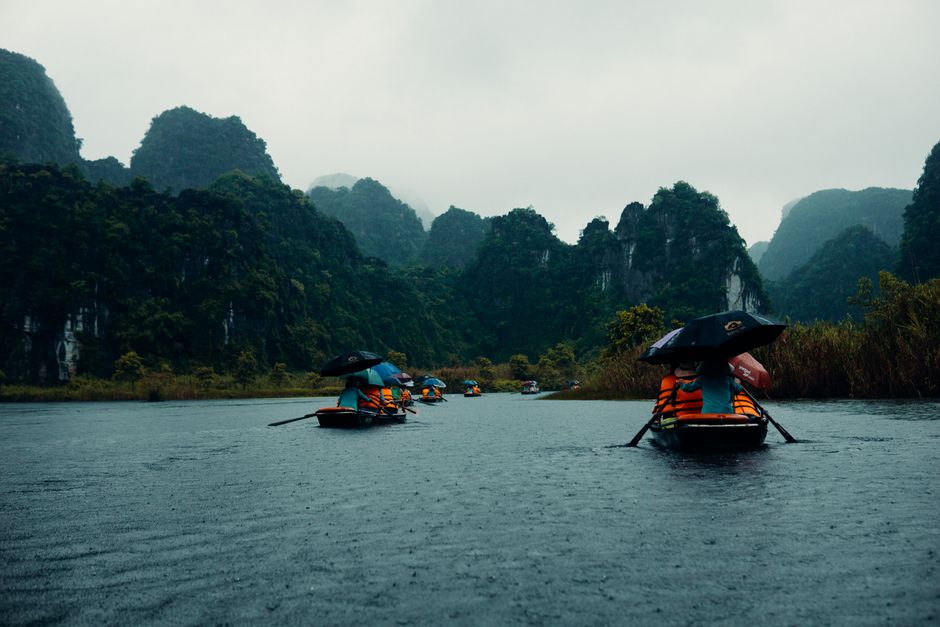
Here is the compressed answer. If you want budget backpacking to still feel like an adventure in 2026, go to northern Vietnam and northern Laos. Spend your money on the Ha Giang Loop, the Nong Khiaw viewpoint, and the slow boat from Huay Xai to Luang Prabang. These experiences are still cheap, still authentic, and still worth every hour of travel.
Skip the Thai islands. Skip Phuket. Skip anything that shows up in the top ten results on Instagram. The budget backpacking dream is still alive in Southeast Asia. It just moved north, away from the airports and the influencers, to places where a $3 meal still means something.
| Destination | Daily Budget (Dorm + Food + Transport) | Worth It in 2026? |
|---|---|---|
| Northern Vietnam (Ha Giang, Cao Bang) | $30-$45 | Yes. Best value in the region. |
| Northern Laos (Luang Prabang, Nong Khiaw) | $25-$35 | Yes. Quiet, cheap, beautiful. |
| Rural Cambodia (Kampot, Battambang) | $25-$40 | Yes, if you stay out of expat bars. |
| Northern Thailand (Chiang Rai, Isaan) | $30-$40 | Yes. The real Thailand is here. |
| Southern Thailand islands (Phi Phi, Samui) | $50-$80 | No. Budget backpacking is dead here. |
| Bangkok tourist core (Khao San, Sukhumvit) | $45-$70 | No. You are paying for convenience. |
The math is simple. The places that were cheap in 2015 and got famous are now expensive. The places that were cheap in 2015 and stayed quiet are still cheap. Go to the quiet places. Your wallet will thank you, and honestly, so will your Instagram feed.