
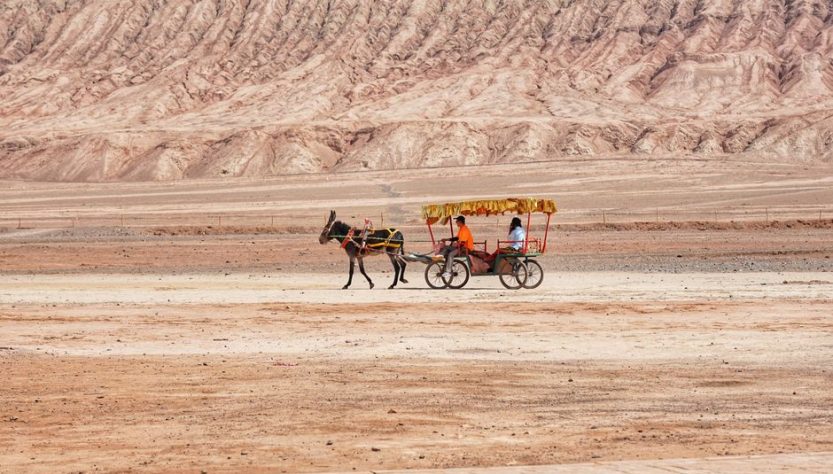
You booked the flight to Urumqi. You told your friends you’re finally doing the Silk Road. Then you start reading about permits, checkpoints, and distances that make Texas look small. Now you’re wondering if you made a mistake. You didn’t. But you’re about to make several if you plan Xinjiang like a normal vacation.
Xinjiang is not Bali. It is not a place where you land, grab a scooter, and figure it out. It is 1.66 million square kilometers of desert, mountains, and cities separated by 10-hour drives. The people who have a bad time here are the ones who treat it like a weekend city break. The people who love it are the ones who respect the scale and the rules.
This guide is the thing I wish someone had sent me before my first trip. No fluff. Just the mistakes that cost people time, money, and in one case, a night in a police station waiting room.
Mistake 1: Underestimating the Distances
Look at a map of Xinjiang. Urumqi to Kashgar looks like a quick hop. It is 1,470 kilometers. That is roughly the distance from New York to Miami. By train, it takes 17 to 23 hours depending on which service you book. By car, you are looking at two full days of driving with stops.
This is the number one mistake. People plan a 7-day trip with Urumqi, Turpan, Kashgar, and Kanas Lake on the itinerary. That is not a trip. That is a series of airports and train stations with no actual travel in between.
A realistic 10-day route
If you have 10 days, do this: fly into Urumqi, take the high-speed train to Turpan (1.5 hours), spend 2 days there. Fly from Turpan to Kashgar (1.5 hours flight), spend 4 days in Kashgar and the surrounding areas including the Karakoram Highway to Tashkurgan. Fly back to Urumqi for your departure. That gives you actual time in each place.
Train vs flight: what actually works
China’s high-speed rail network reaches Urumqi and Turpan, but not Kashgar. The Urumqi-Kashgar route is served by slower overnight trains or flights. Flights are cheap by Western standards — often 600-900 RMB ($85-$130) one way. Book trains on Trip.com or the official China Railway app. Book flights on Trip.com or Ctrip. Do not wait until you arrive to book. Kashgar flights sell out during summer and the October National Day holiday.
Mistake 2: Not Understanding the Permit Situation
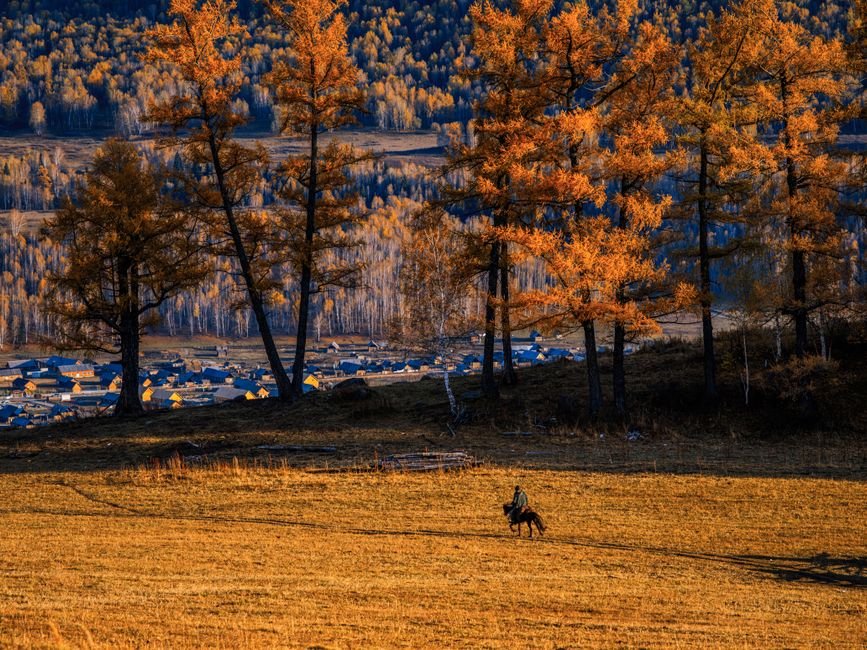
Here is the truth most travel blogs gloss over. Xinjiang has security checkpoints everywhere. Hotels, train stations, shopping malls, even some restaurants. You need your passport at all times. Not a photo of it. The physical passport.
For most tourist areas — Urumqi, Turpan, Kashgar city, Kanas — a Chinese visa is all you need. But certain border areas require additional permits. Tashkurgan, which is the highlight of the Karakoram Highway, requires a border permit. You get this in Kashgar at the border police office. It takes about 30 minutes and costs nothing, but you must go in person with your passport. Do not skip Tashkurgan because you heard the permit is complicated. It is not. It is just an extra step.
Failure mode: showing up at the Karakoram Highway checkpoint without the Tashkurgan permit. The police will turn you around. That is a 4-hour wasted drive. Get the permit the day before.
Mistake 3: Eating Only What You Know
Xinjiang food is the best in China. I will die on this hill. The Uyghur and Kazakh food traditions are completely different from the Cantonese or Sichuan food most Westerners associate with China. If you eat dumplings and fried rice the whole time, you have wasted the trip.
Here is what you actually eat:
- Polo (pilaf): Rice cooked with lamb, carrots, and cumin. The best version is in Kashgar at any local restaurant. Look for the giant copper pots. 25-40 RMB ($3.50-$5.50) per plate.
- Laghman: Hand-pulled noodles with lamb and vegetables. Every region has its own version. The Turpan version is lighter. The Kashgar version is heavier on the cumin.
- Samsa: Lamb and onion pastries baked in a tandoor oven. Sold on the street in Kashgar and Urumqi. 5-10 RMB each. Eat them hot.
- Kashgar naan: Not the fluffy Indian naan. This is a dense, chewy bread stamped with patterns. It keeps for weeks. Buy some for long bus rides.
The food is heavy on lamb and cumin. If you are vegetarian, you will struggle. Most restaurants have tomato and egg noodles (西红柿鸡蛋面) as a fallback, but options are limited. Plan accordingly.
Mistake 4: Going in the Wrong Season
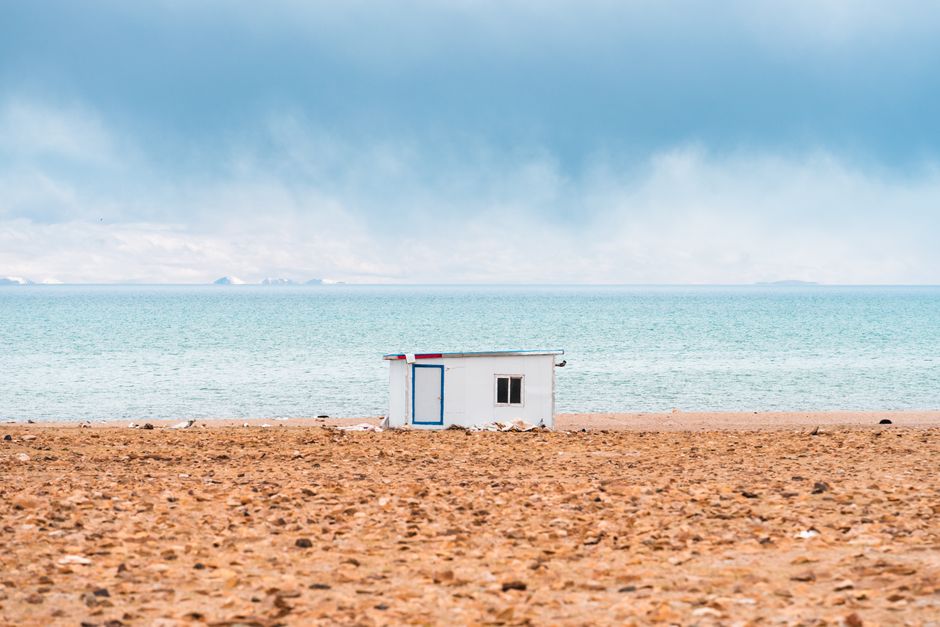
Xinjiang has extreme seasons. Summer in Turpan hits 45°C (113°F). Winter in Kanas hits -30°C (-22°F). There is no single “best time” — there is a best time for specific places.
| Region | Best Months | Why | Avoid |
|---|---|---|---|
| Kashgar & Karakoram Highway | May-June, September-October | Clear skies, mild temps, no snow on the pass | December-February (pass closes) |
| Turpan | April-May, September-October | Warm but not deadly hot | July-August (45°C+) |
| Kanas Lake | June, September | Green meadows or golden larch forests | October-April (most facilities closed) |
| Urumqi | May-October | Pleasant weather, city is walkable | November-March (cold, smog) |
September is the sweet spot for most of Xinjiang. The summer crowds are gone, the heat has broken, and the autumn colors in the Tian Shan mountains are spectacular. But September also means higher hotel prices in Kashgar and Kanas. Book 2-3 months ahead.
Mistake 5: Ignoring Altitude on the Karakoram Highway
The Karakoram Highway from Kashgar to Tashkurgan is one of the greatest drives on earth. You pass the Kongur Tagh and Muztagh Ata peaks, both over 7,500 meters. The road hits 4,700 meters at the Khunjerab Pass. That is higher than Mont Blanc.
Most people drive Kashgar (1,300m) to Tashkurgan (3,100m) in one day. That is a rapid ascent. Altitude sickness is common. Headaches, nausea, dizziness. I watched a guy vomit at the Bulungkol Lake viewpoint because he had flown from sea level the day before and then done the drive without acclimatizing.
Do this instead: spend 2-3 days in Kashgar first (1,300m). Then do the drive slowly with stops. Spend the night in Tashkurgan (3,100m). Do not push to the Khunjerab Pass (4,700m) the same day you arrive. If you feel bad, descend. The cure for altitude sickness is going down, not pushing through.
Bring ibuprofen. Drink more water than you think you need. Skip the alcohol the night before the drive. The drive itself is 300km each way. It takes 5-6 hours with stops. You need a registered driver — self-driving as a foreigner in Xinjiang is legally complicated and not recommended.
Mistake 6: Treating Kashgar Like a Day Trip
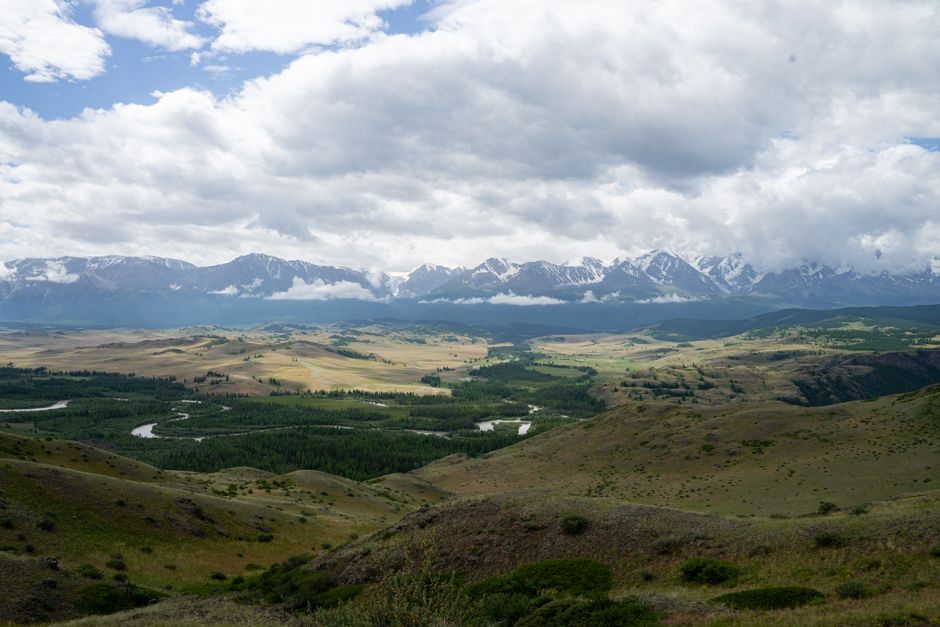
Kashgar is the reason you go to Xinjiang. Urumqi is a modern Chinese city. Turpan is interesting for a day. Kashgar is the soul of the Silk Road. The old city, the Sunday livestock market, the Id Kah Mosque, the food streets. This is not a day trip. This is the trip.
Spend at least 3 full days in Kashgar. More if you can.
What 3 days in Kashgar looks like
Day 1: Old city walking. Get lost in the alleys. The old city is not a museum — people live there. Be respectful. Do not shove a camera in someone’s face. Ask first. A smile and a gesture works.
Day 2: Sunday livestock market. This is the famous one. Sheep, goats, horses, and a lot of shouting. It is chaotic and wonderful. Go early, by 10am. The market winds down by 1pm. Bring cash — small bills.
Day 3: Karakoram Highway day trip to Bulungkol Lake and back, or start the Tashkurgan overnight trip. If you only have 3 days, do the day trip and save Tashkurgan for a longer visit.
Hotels in Kashgar: the Radisson Blu Kashgar is the most reliable Western option, around 600-900 RMB ($85-$130) per night. For something more local, the Kashgar Old City Youth Hostel has private rooms for 150-250 RMB ($20-$35). Book ahead in September.
Mistake 7: Not Preparing for the Security Reality
I am going to be direct here because most guides are not. Xinjiang has a heavy security presence. Metal detectors at hotel entrances. Police checks on roads. Passport checks at train stations. Your bags get scanned everywhere — malls, museums, even some restaurants.
This is not dangerous. It is just reality. The security is there to prevent incidents, not to harass tourists. In practice, as a foreigner with a valid visa, you will be waved through most checkpoints. But you must have your passport. Always. Not a copy. The physical passport.
What NOT to do: photograph police, military, or checkpoints. This can get you detained. It is not worth the Instagram story. Also avoid discussing politics. This is not the place for it. You are here for the mountains, the food, and the history. Stick to that.
Internet access is restricted. Google, Instagram, Facebook, WhatsApp, and Gmail do not work without a VPN. Install a reliable VPN before you arrive. ExpressVPN and NordVPN are the two most commonly recommended for China. Download the apps and set them up before you land. You cannot download a VPN once you are inside the firewall.
The Bottom Line
Xinjiang is not an easy trip. The distances are brutal. The permits are extra steps. The internet is frustrating. The altitude is real. But the payoff is unlike anywhere else in China. The Karakoram Highway alone is worth the flight. Kashgar’s old city at sunset, with the call to prayer echoing through the alleys, is one of the great travel moments in Asia.
You booked the flight for a reason. Now plan it properly. Respect the distances. Get the permits. Eat the polo. Spend more time in Kashgar than you think you need. And bring your passport everywhere. The trip will be better than you expected — but only if you avoid the mistakes that send most people home frustrated.