
On my first Highland wildlife trip, I spent three cold hours beside a loch staring at empty reeds. The otter had been there minutes earlier. I had arrived at the wrong time, stood too close to the bank and brought binoculars that fogged whenever I lifted them to my eyes. My strongest advice is simple: plan around animal behaviour, not a sightseeing checklist. For red deer, golden eagles and otters, winter can offer some of Scotland’s best viewing, but only if you match the species to the right habitat, light and pace.
The reward is not guaranteed. Wild animals do not perform on schedule. Still, after a dozen winter trips across the Cairngorms, Wester Ross, Argyll and Skye, I now know which days are worth protecting, which kit earns its space in the car and which popular promises should be treated with caution.
When should you look for red deer, golden eagles and otters?
| Species | Best winter timing | Useful habitat | What to expect |
|---|---|---|---|
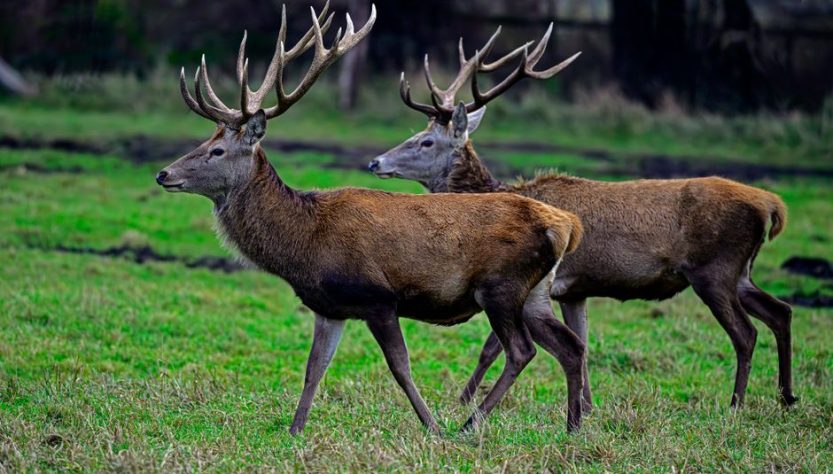
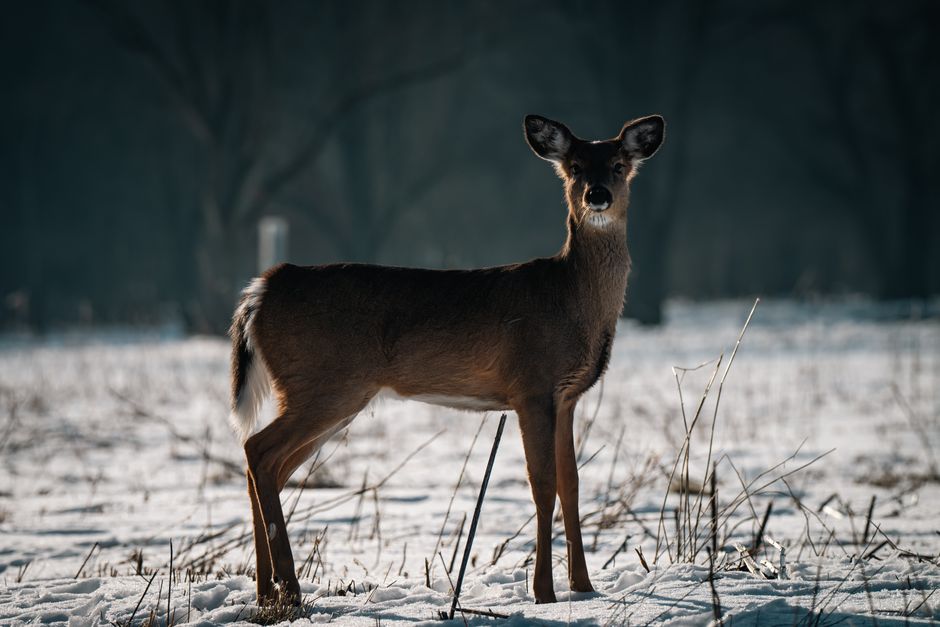
| Red deer | First two hours after sunrise and the last two before sunset | Open glens, woodland edges and lower slopes | Herds may stay still for long periods before moving to feed |
| Golden eagle | Late morning to mid-afternoon on bright, breezy days | Mountain corries, cliffs and broad upland valleys | Short flights, distant silhouettes and long gaps between sightings |
| Eurasian otter | Two hours either side of low tide or dawn on inland water | Rocky shores, sea lochs, burns and estuaries | Brief surface appearances followed by several minutes underwater |
Winter light changes the timetable. In December, sunrise and sunset leave a narrow working window, while February gives you more useful daylight. I prefer January and February for deer because the animals often remain in lower ground, where they are easier to scan. For eagles, a calm, bright morning can be disappointing; light wind gives them lift and makes flight more likely.
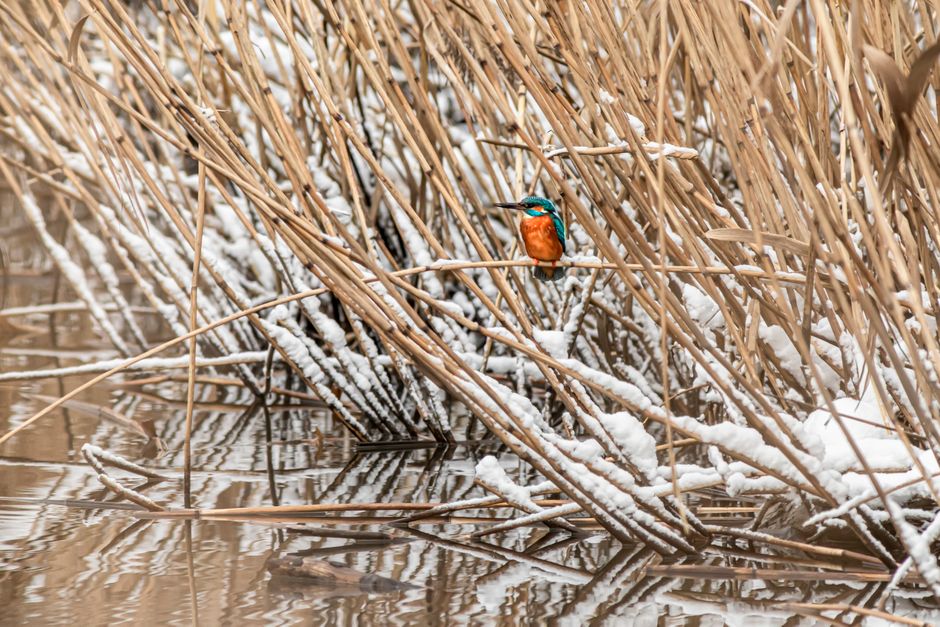
Otters are the species most visitors misread. People arrive at noon, see no movement and assume the shoreline is empty. An otter can be underwater for several minutes, then appear far along the rocks. Watch for a line of bubbles, a sudden ripple, a head showing between kelp or birds reacting to something moving close to shore.
The winning strategy is to keep a tide table, sunrise time and weather forecast together. I write the day’s best two-hour wildlife windows on a paper map because phone batteries vanish quickly in the cold.
What does bad weather change about a wildlife day?
This is where many visitors lose a day by treating a forecast as a minor detail.
- Heavy rain: move from mountain eagle watching to sheltered woodland edges, burns or sea-loch viewpoints. Deer may stay in cover, while otters can remain active along water.
- Strong wind: avoid exposed cliffs and high passes. Golden eagles may fly low or shelter, and a tripod becomes awkward. Search sheltered valleys instead.
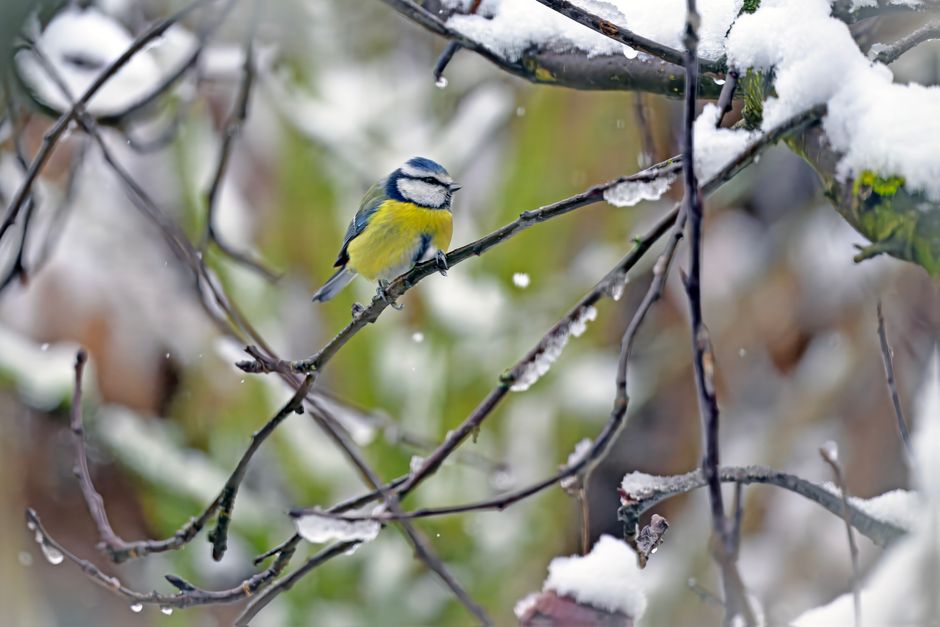
- Snow: check road conditions before leaving. Deer tracks become easier to read, but mountain roads can turn dangerous within minutes.
- Low cloud: forget distant eagle searches above the cloud line. Focus on lower slopes, forest clearings and coastal water.
- Bright frost: use the first two hours after sunrise for deer. Frost makes movement and tracks easier to spot, and the low sun can light animals against dark woodland.
My strongest bad-weather rule is to protect one flexible day. Do not fill every day with a paid tour, long drive or fixed mountain walk. A clear spell may arrive at 2 p.m., and you want the freedom to reach a sheltered loch or glen quickly.
Which binoculars and clothing actually earn space?
I would spend money on warm, dry clothing before buying an expensive camera. A missed sighting caused by shaking hands or wet feet is not improved by a £3,000 lens. For most visitors, a solid 8×42 binocular is the best balance of reach, brightness and ease of use.
My practical kit picks
The Vortex Diamondback HD 8×42 costs about £210 in the UK and gives a wide, forgiving view for scanning deer and shorelines. The Nikon Monarch M5 10×42 is usually around £330 and offers more reach for distant eagles, but its narrower view makes fast tracking harder. I choose the Vortex for beginners and the Nikon for someone already comfortable with binoculars.
For clothing, the Rab Neutrino Pro jacket is commonly priced near £300 and works well during long static watches because its 800-fill-power down insulation is warm for its weight. It is not my choice for driving rain. For wet coastal days, the Patagonia Torrentshell 3L, often about £180, is the better outer layer because it handles rain and packs down without taking much room.
What not to buy
Do not buy cheap high-magnification binoculars marketed as 20x zoom. They shake badly, show a narrow view and often produce soft edges. Do not buy a cotton hoodie as your main warm layer. It holds moisture and turns cold during a two-hour wait. If your budget is limited, choose Vortex Diamondback HD 8×42 binoculars, a waterproof shell and insulated boots before adding a spotting scope.
For most travellers, my verdict is clear: 8×42 binoculars plus waterproof layers beat a heavy camera setup. The kit should help you stay outside longer, not make you feel like you are carrying a small studio.
What usually goes wrong on a Highland wildlife trip?
The most common failure is not bad luck. It is poor timing combined with too much driving. Visitors start before dawn, drive two hours for a famous viewpoint, arrive exhausted and leave before the best light. Wild animals may be spread across several valleys, but a rushed itinerary reduces your chances.
Mistakes I stopped making
- Assuming a famous viewpoint guarantees an eagle sighting.
- Standing on a beach at high tide when otters have moved into quieter channels.
- Using a phone screen for ten minutes at a time and losing dark adaptation.
- Leaving a car with only summer tyres for a remote winter road.
- Following social-media location pins onto private land or fragile shoreline.
When a guided trip is the better choice
A guide is worth the cost if you have one day, no local knowledge or limited confidence on winter roads. A reputable guide can read tracks, check access and move you to a second site when the first is quiet. I would not book a tour that promises guaranteed golden eagles or close otters. Those promises usually reveal more about marketing than wildlife.
Skip a paid wildlife outing if the itinerary spends most of the day driving between photo stops. Instead, book one focused session near your base and use the rest of the trip to revisit local water and woodland. The strongest alternative to a costly scope is more time, better light and a guide who respects distance.
Which winter wildlife experience is best for you?
For a rare, dramatic moment, choose golden eagles and accept long quiet gaps. For close observation of behaviour, choose otters, but give them the most patience and the greatest respect for distance.
Do not measure the trip only by a photograph. A deer herd standing silent in frost, an eagle crossing a dark corrie or an otter leaving a thread of bubbles across a loch can stay with you longer than a perfect image. Winter works because the landscape is quieter, the light is low and animals often move through visible open ground.
My final comparison is straightforward:
- Best rare sighting: golden eagle on a bright, breezy day with wide mountain views.
- Best behaviour watch: otter near a quiet shore during the right tide window.
- Best base: the Cairngorms for access, variety and easier route planning.
- Best investment: extra time in one area, waterproof clothing and dependable 8×42 binoculars.