
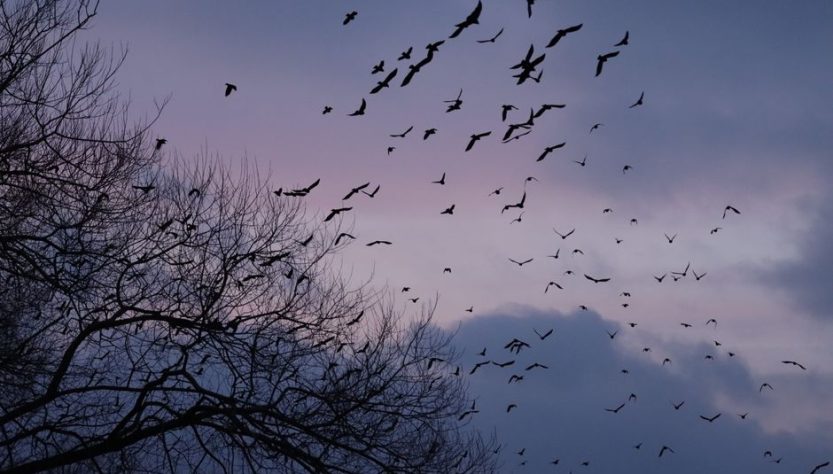
Some birds visiting the Wadden Sea in spring must at least double their body weight before continuing north. That fact changes how you plan a March birding trip: the best place is not simply the wetland with the longest species list, but the one with food, open water, safe hides, and access at the right tide or hour.
For a first trip, choose the Camargue for easy paths and dependable flamingo views. Choose Doñana for the widest mix of African and European migrants. Choose the Wadden Sea for tidal drama and huge shorebird flocks. The six sites below give you a practical route, a timing plan, and a short gear list for 2026.
Which European wetlands are best for March migration?
Verdict: The Camargue is the best first destination, while the Wadden Sea gives the most spectacular high-tide movement. Doñana is the strongest choice for species variety, but access planning matters more there.
Six March options at a glance
Pick the site that matches your trip
Pick the Camargue if you have two days and want clear paths, hides, and a high chance of seeing several large wetland birds. Pick Doñana if you can spare three days and want a broader Mediterranean list; the park records more than 400 bird species, and spring arrivals begin from early March. The official Doñana wildlife information explains why the marshes work as both wintering ground and migration stop.
How does March migration work in a European wetland?
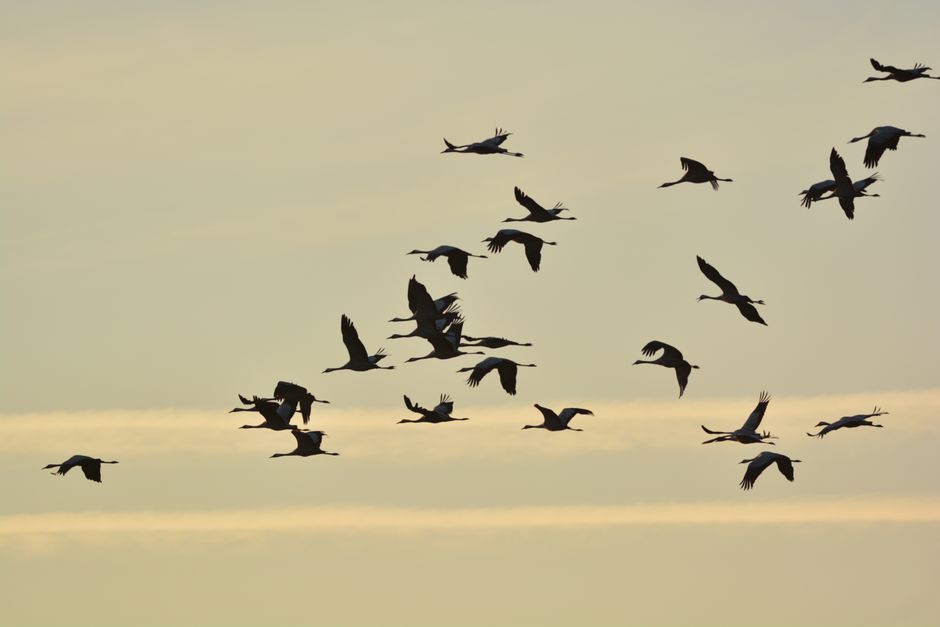
Verdict: Plan around food and weather, not a fixed promise that a certain bird will appear on a certain date. Migration is a moving supply chain. Birds leave wintering grounds when daylight, wind, temperature, and food make the next leg possible, then stop when a wetland offers enough insects, seeds, fish, mudflat invertebrates, or shallow water.
Follow the food layer
Shorebirds need exposed mud. Ducks need shallow water and aquatic plants. Herons and egrets need fish-rich channels or flooded fields. Small migrants need reed beds, scrub, and insects. A wetland can look perfect from a road and still be poor for birds if a dry winter has removed its feeding areas. Before you travel, check recent rainfall, water levels, and local sightings rather than relying on a guidebook photograph.
Use tide, wind, and light as your clock
At the Wadden Sea, an incoming tide pushes feeding birds toward salt marshes and roosts. The National Park Vadehavet lists March to May as a migration period and warns that disturbance costs birds energy. The best practical rule is simple: arrive before the birds are forced inland, then stay still. On calm mornings, the first two hours after sunrise usually give cleaner views of ducks, waders, and songbirds than late afternoon.
Expect different seasons in the same place
Southern wetlands can hold late wintering ducks while African migrants begin arriving. The Camargue’s Pont de Gau notes that March to May brings prenuptial migration, with numbers shaped by weather and marsh water levels. The Camargue park guide is useful for matching habitats to likely birds. The clear winner for flexible travelers is the site with several habitat types within a short drive.
How should you plan a 48-hour March birding trip?
Verdict: Spend less time driving between famous sites and more time repeating one productive hide at different hours. A simple 48-hour plan beats an ambitious six-stop route.
Day one: learn the wetland
- 08:00: Start at a public hide or boardwalk near open water. Record weather, wind direction, water level, and the first feeding flock.
- 11:00: Move to reeds, scrub, or wet grassland. This is your best chance for warblers, pipits, wagtails, and hidden rails.
- 14:00: Take a break away from the busiest viewpoint. Review your notes and mark uncertain birds without guessing.
- 16:00: Visit a second habitat, such as salt marsh, rice field, fishpond, or lagoon edge.
Day two: repeat the best conditions
- Before sunrise: Check wind and tide tables. If the forecast is poor, choose a sheltered reed bed instead of an exposed mudflat.
- Morning: Return to the strongest location from day one. Familiarity makes it easier to notice new arrivals and unusual calls.
- Midday: Use a visitor centre, reserve map, or local guide to confirm closures, seasonal paths, and sensitive nesting areas.
- Evening: Watch roost movement from a legal viewpoint, then leave before birds settle. Do not cross barriers for a closer photograph.
This route also protects your time. A wetland may cover hundreds of square kilometres, but the best observations often come from one managed pool, one tide line, or one sheltered trail.
What should you pack for wetland birdwatching?
Buy one good pair of 8×42 binoculars before buying a telescope. They are faster for locating birds, easier to carry through mud, and bright enough for the first and last hour of daylight. The Nikon MONARCH M5 8×42 is my all-round pick at about €369 in Nikon’s European store; it weighs 630g, gives a 112m field of view at 1,000m, and focuses as close as 2.5m.
Choose optics for your walking style
Choose it if you want a wide view, a rugged waterproof body, and a strong lifetime warranty. For long sessions at a fixed hide, the Kowa TSN-501 angled spotting scope gives 20-40x magnification through a 50mm objective; the 2026 MSRP listed for the scope is €329, before adding a tripod.
Pack the small items that prevent bad decisions
- Neutral-colour waterproof shell and trousers, because wetland wind feels colder than the forecast.
- Lightweight sit pad, notebook, pencil, and a dry bag for your phone.
- Compact headlamp for pre-dawn hides, plus a spare battery or power bank.
- Rubber boots for marsh edges, but walking shoes for boardwalks and dry steppe trails.
- Lens cloth and a soft brush; never wipe salt spray or mud with a dry sleeve.
Skip the telescope if you will change locations every hour, travel by train, or visit mostly wooded edges. In that case, the Nikon or Vortex binoculars will produce more usable sightings than a heavier scope that stays in your bag.
How do you identify and record unfamiliar migrants?
Verdict: Use Merlin Bird ID to narrow possibilities, then use eBird to record a complete checklist and verify the location. Treat any app suggestion as a lead, not proof.
Which app should a beginner install?
Install Merlin Bird ID before leaving home and download the regional bird packs over Wi-Fi. Merlin is free, works on iOS 18 or newer and Android 7 or newer, and can suggest species from photographs, descriptions, and sounds. It is most useful after you have written down the bird’s size, habitat, bill shape, wing pattern, and call.
How should you make a reliable checklist?
Use the free eBird Mobile app to start a separate list for each date and precise location. Record every species you can identify, not only the exciting ones, and mark heard-only birds clearly. eBird’s own guidance says a complete list reports all species you detected and identified to the best of your ability; it does not require perfect counts or expert-level identification. Download the local pack before entering a reserve with weak reception.
What should you do when the bird remains uncertain?
Write down the field marks, take one distant record shot, and use a slash or broader group such as grey heron type or small wader. A careful unknown is better than a confident false rarity. For beginners, the best learning loop is observe, describe, check, then submit.
What can go wrong on a March wetland trip?
Access and weather mistakes
Do not assume a reserve is open because a map pin exists; floods, hunting zones, nesting closures, private tracks, and seasonal ferry timetables can change the route, so check the park’s official page 24 hours before departure and keep one nearby public hide as a backup, especially in Doñana, where permitted access matters more than ambition.
Disturbance and identification mistakes
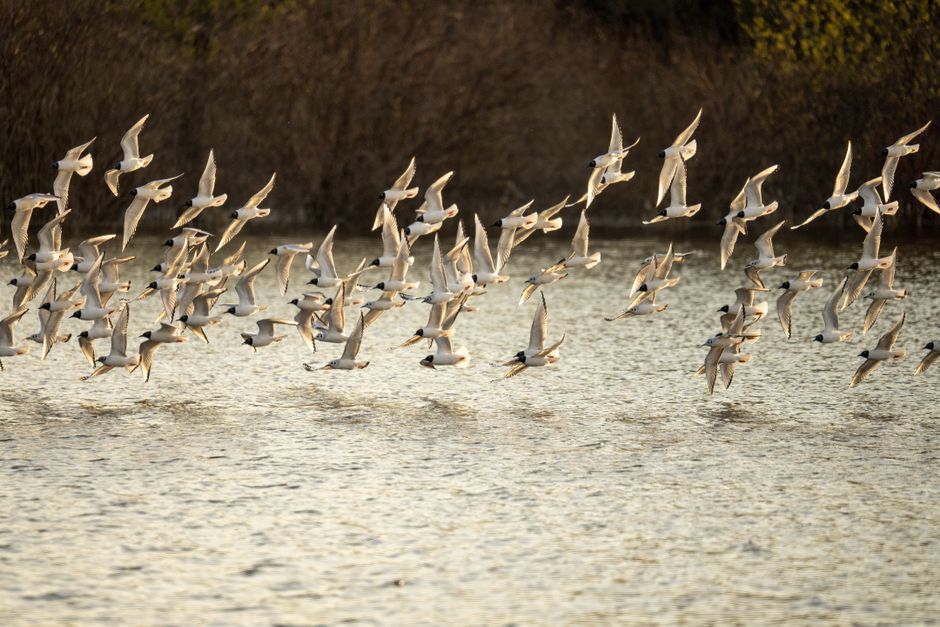
Do not walk toward a feeding flock, play bird recordings, or chase a rare bird across a roost, because every unnecessary flush burns the energy migrants need for the next flight; stay behind barriers, keep your distance, and return to the original opening image with the birds feeding calmly before their northbound journey.