
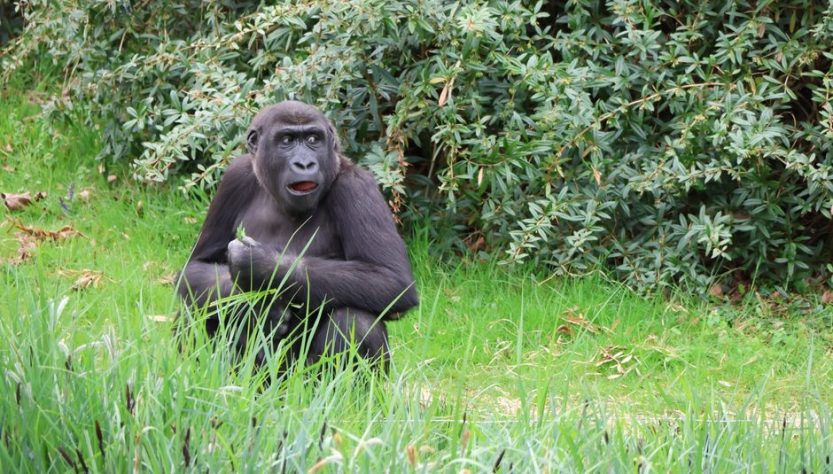
June starts Uganda’s long dry season, but Bwindi is still a rainforest. Plan for firmer trails and higher demand, not guaranteed sunshine.
Is June the best month for gorilla trekking in Uganda?
June is drier, not dry
June is a strong month for gorilla trekking in Uganda because trails usually drain faster than they do in April or May. The trade-off is demand. June sits at the start of the busiest trekking window, so preferred permit dates, sector-specific lodges, and private vehicles can disappear months ahead. Uganda’s tourism board lists June to September as the long dry season, while also warning that rain remains possible in the forest. The official Uganda tourism season guide is a useful reality check before you pay a deposit.
| Travel window | Trail conditions | Demand and cost | Best choice for |
|---|---|---|---|
| Early June | Improving, but muddy sections can remain | High demand; book early | Travelers who need school-holiday dates |
| Late June | Usually firmer, with occasional forest rain | High demand; lodge prices often rise | Travelers prioritizing easier walking |
| March to May | Wetter and more slippery | Often quieter; more date flexibility | Budget-focused travelers who accept rain |
| December to February | Another relatively dry window | Busy around Christmas and New Year | Travelers who cannot visit in June |
Permit prices are not a seasonal bargain
Treat those figures as a published benchmark, then confirm the live amount before booking. The Uganda Wildlife Authority tariff is more trustworthy than an old safari blog or a screenshot in a group chat.
How to book a June gorilla trek without losing money
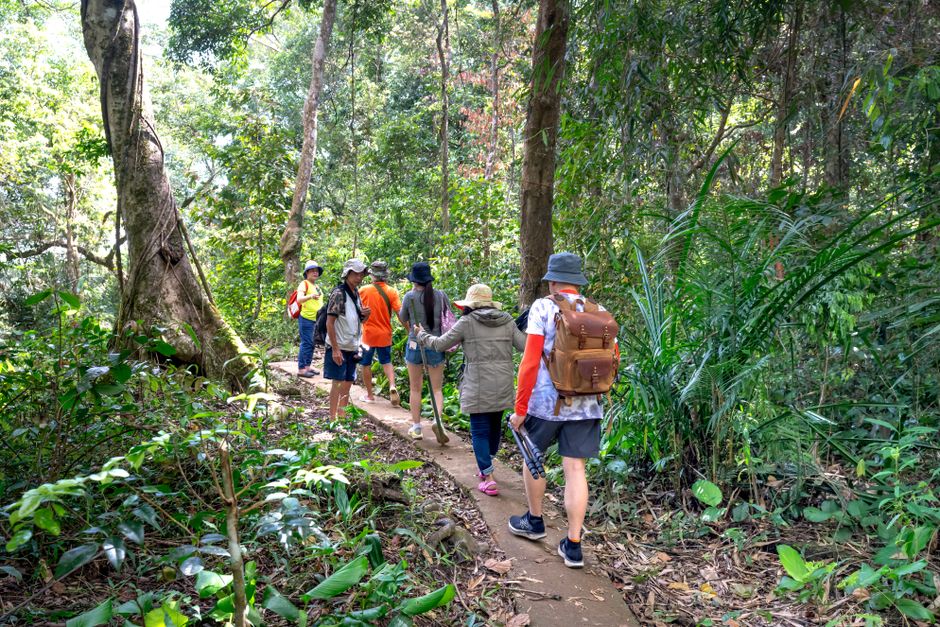
Book the permit before the flight. Your trek date controls the rest of the trip. A cheap flight is useless if the only available permit is three days after your lodge reservation.
Use this booking sequence
- Choose the park and sector first. Bwindi has four main sectors: Buhoma, Ruhija, Rushaga, and Nkuringo. Pick the sector where you will sleep, because a lodge on the other side of the forest can turn a simple morning transfer into a long, tiring drive.
- Ask for the exact permit date. Do not accept a vague promise that a permit is “being arranged.” Request the park, sector, date, permit category, traveler names, and total payment in writing.
- Verify the seller. Buy through UWA or a reputable, licensed tour operator. Match every passport name before payment. UWA requires visitors to present identification for resident-status checks, so a spelling error can become an expensive problem at briefing.
- Build in one buffer night. Put the buffer before the trek, not after it. Road delays, missed connections, and heavy rain can make a same-day arrival risky.
- Keep every receipt. Save the UWA receipt, operator invoice, payment confirmation, and lodge booking in both cloud storage and offline phone storage.
Do not buy the wrong version of the experience
Normal tracking gives you a maximum of one hour with the gorillas after you find the family. The full outing can last roughly two to seven hours, according to UWA. Habituation is a different, longer experience and costs more. Ask exactly what the quote includes: permit, transport, accommodation, meals, park fees, porter, tips, and travel insurance are not automatically the same thing.
Pick Mgahinga only for a clear reason
Mgahinga Gorilla National Park is a valid alternative to Bwindi, but it offers fewer permit dates and a smaller trekking setup. UWA describes Mgahinga as having one habituated transboundary gorilla group and roughly eight permits per day. Choose it for the volcanic landscape or a specific itinerary, not because an agent says it is always easier. For the widest choice of dates and sectors, Bwindi is the safer booking choice.
What to pack for Bwindi’s steep, wet trails
Footwear and traction matter more than brand names
For a June trek, buy or borrow waterproof hiking boots with ankle support and a sole that grips wet roots. Break them in before Uganda. New boots create blisters on the first steep climb, and a blister can ruin the one day you cannot replace. The Salomon X Ultra 4 Mid GORE-TEX is a sensible model to try because its mid-height design adds ankle coverage without the weight of a mountaineering boot. Still, fit beats the logo. If your heel lifts or your toes touch the front when walking downhill, choose another boot.
Use a rain shell, not a hopeful poncho
My clear pick for travelers who will also visit Uganda’s other parks is the Outdoor Research Foray 3L Jacket. It has fully taped seams, waterproof fabric, and TorsoFlo vents that open from the hem toward the bicep. That ventilation helps during a humid climb. A cheaper shell can work, but it must have a hood, sealed seams, and room for a warm layer underneath. Pack rain trousers too. June rain can turn a dry trail into a wet one within minutes.
Keep your camera and phone inside a second barrier
Use it inside your daypack for spare socks, a phone, passport copies, and camera batteries. It is not a substitute for a waterproof backpack cover, but the two layers protect against the mistake many trekkers make: trusting a rain cover while water runs down the back panel.
A 22-liter pack is enough for most visitors. It carries water, lunch, a shell, dry layers, and camera gear without encouraging you to overpack. You can also ask your operator about a local porter and park-gate equipment before purchasing a full kit.
What actually happens on trek day?
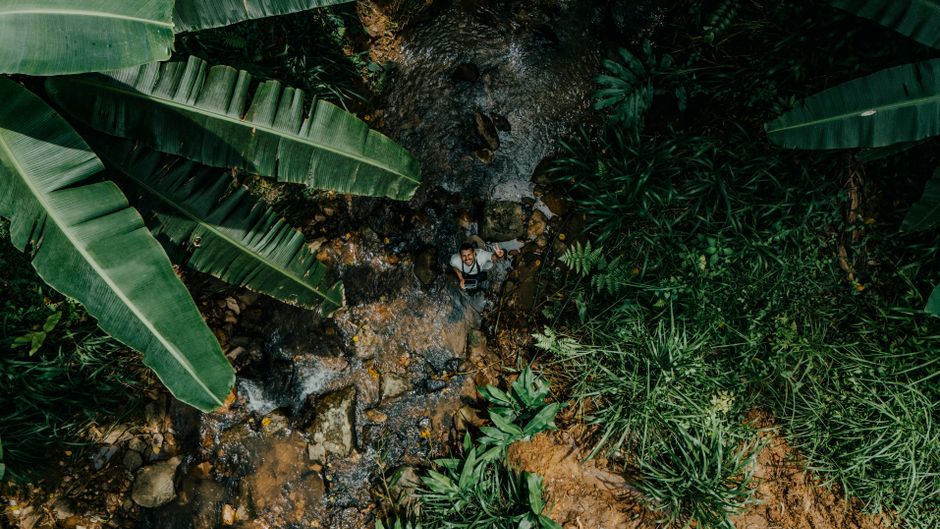
When does the trek start?
Normal gorilla tracking begins with a morning briefing and starts from the designated sector. Arrive early with your permit details, passport, water, packed lunch, and layers. Rangers assign the group and explain distance, conduct, and safety rules. The gorilla family’s location changes, so no honest operator can promise a 30-minute walk or a perfectly clear photograph.
How hard is the walk?
Expect steep, uneven ground, tangled vegetation, slippery roots, and changes in altitude. The dry season reduces some mud but does not flatten the hills. Train for two to three hours of steady walking with stair climbs and controlled descents. The trek may finish quickly or last most of the day. A porter can carry your bag and offer physical support; hiring one also sends direct income into communities near the park.
What rules protect the gorillas?
Keep your voice low, follow the ranger’s position, and never move toward a gorilla for a better photograph. Do not use flash. Follow instructions about distance, coughing, eating, and movement. UWA’s tracking guidelines limit normal gorilla viewing to one hour, so prepare your camera settings before the encounter. The best photograph often comes from staying still while the gorilla moves through the vegetation.
When is Uganda the wrong choice for your June trip?
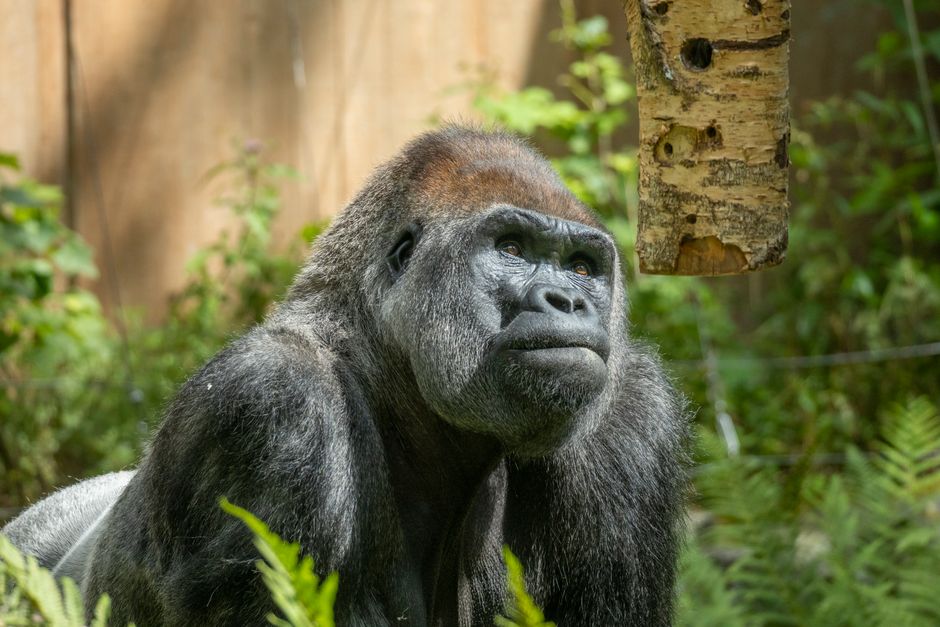
Choose another plan if your priority is guaranteed dry weather or a short, easy wildlife walk. Bwindi is a high-altitude rainforest, not a dry savanna. June improves the odds of firm ground, but it cannot remove steep climbs, rain, or long drives.
Choose Rwanda instead for shorter logistics
Rwanda’s Volcanoes National Park can suit travelers who want a more compact itinerary from Kigali and prefer to spend less time on Uganda’s long road transfers. The usual trade-off is a higher permit price. Uganda wins for travelers who want more sector choices, a broader safari route, or the chance to combine gorillas with Queen Elizabeth, Kibale, or Murchison Falls.
Choose the wet season for flexibility
March to May makes sense when your budget or calendar matters more than firm trails. Rain can make walking harder, but the gorillas do not vanish in the wet months. Lodges may have more availability, landscapes look intensely green, and you may avoid the heaviest June demand. Do not choose the wet season expecting a guaranteed discount on the permit; confirm the current UWA tariff first.
Do not book a gorilla trek if your fitness plan is only theoretical
If you cannot comfortably walk uphill for several hours, arrange a medical consultation and discuss alternatives with the operator before paying. A shorter nature walk, cultural visit, or golden monkey trek may give you a better day than forcing a gorilla permit into an itinerary your body cannot handle. For a June booking, the winning plan is simple: secure the correct permit, sleep in the correct sector, pack for rain, and leave one full buffer day around the trek.