
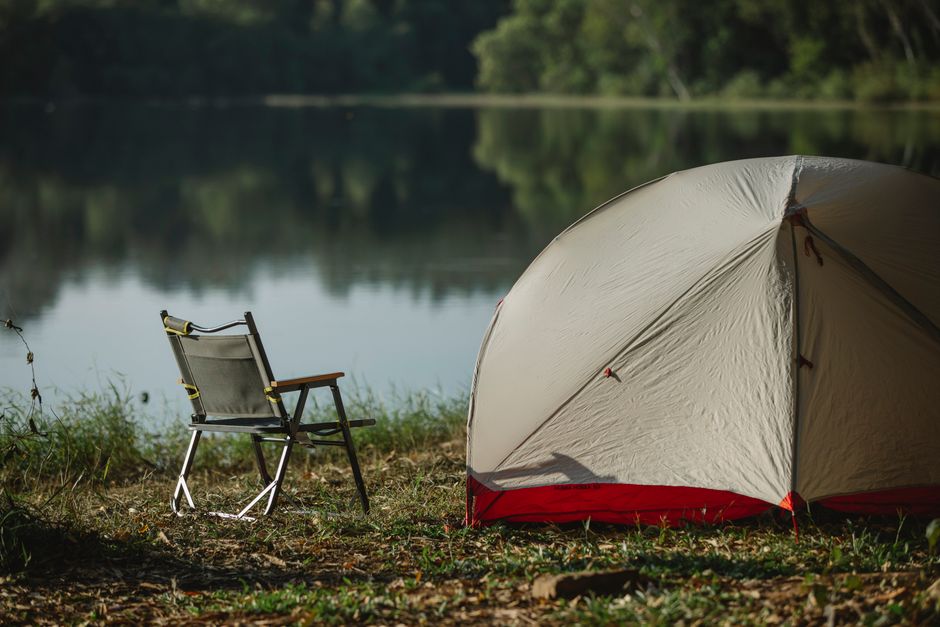
You arrive beside a quiet lake on a dry Saturday afternoon. There is no gate, no sign, and no visible owner. You pitch your tent near the shore, cook dinner, wash a mug in the water, and leave early the next morning. The place still looks untouched, so the trip feels responsible.
That assumption causes many of the worst camping problems. No visible sign does not mean free permission, and a campsite can look clean while suffering from flattened plants, contaminated water, buried toilet paper, or repeated fire damage. Responsible wild camping starts before you leave home. It combines legal checks, careful site selection, low-impact routines, and an honest decision to leave when conditions are unsafe.
How to choose a low-impact summer campsite
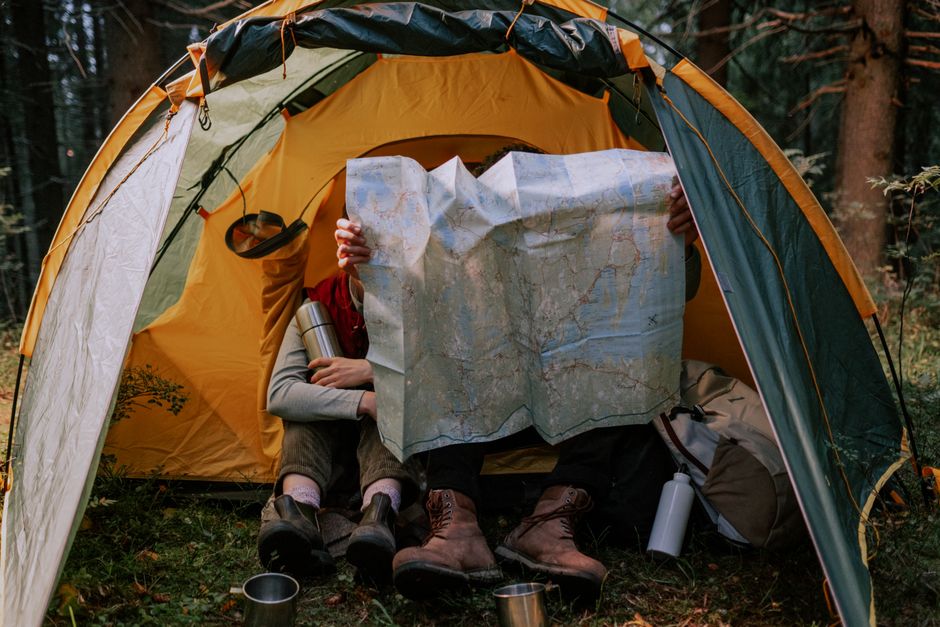
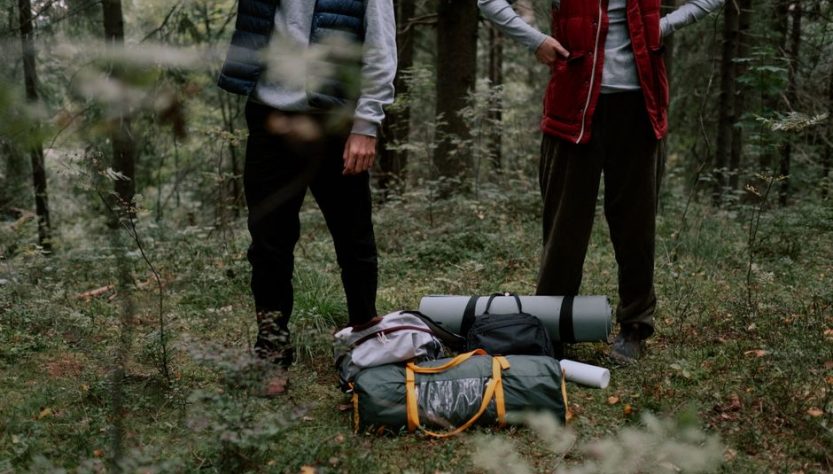
Choose durability over novelty. The strongest campsite is usually an existing, hard surface away from water, wildlife corridors, and fragile plants. A new patch of soft grass may look comfortable, but repeated tent use can kill vegetation and expose soil to erosion.
- Stay away from water. Put your shelter at least 60 metres from lakes, rivers, springs, and marsh edges unless local rules require a different distance. This protects the narrow strip of plants that filters runoff and gives wildlife room to reach water.
- Use an established surface. Bare soil, rock, gravel, sand, or an existing durable pitch usually causes less damage than moss, lichen, wildflowers, wet meadow, or thin alpine grass.
- Keep the group compact. Several tents spread across a field create a larger scar than one tight camp. Walk on the same route to collect water, cook, and pack.
- Read the ground before pitching. Avoid depressions that collect rain, animal tracks, dry grass, dead branches, and places below unstable slopes. Summer storms can turn a comfortable hollow into a drainage channel.
- Check for wildlife signs. Tracks, scat, feathers, burrows, nests, and feeding areas signal that the site is already in use. Move quietly and choose another place.
The two-minute impact test
Stand at the proposed site and ask what will remain after one night. Can a ranger see a flattened shape from the trail? Will your cooking smells reach a den? Will rain wash crumbs into a stream? If the answer raises concern, keep walking. A low-impact camp should be hard to detect after you remove your shelter.
Do not expand the site
Do not drag logs into seats, clear stones for a tent, cut branches, or scrape away plants. These actions make a temporary visit look like a permanent camp. Pack a lightweight sit pad and use the landscape as you find it. My clear recommendation is to accept a slightly less comfortable pitch rather than improve the ground for one night.
How do you leave no trace after cooking and washing?
Most summer camping damage comes from small routines repeated by many people. One splash of food water seems harmless. A hundred campers doing the same thing can feed algae, attract animals, and spread soap into a stream. Treat every food smell, crumb, and greywater splash as a management problem.
Cook without creating a wildlife buffet
Plan meals that need little preparation. Couscous, instant rice, tortillas, oats, and dehydrated meals create less waste than raw meat, oily sauces, or food that requires several pans. Measure portions before leaving home so you do not need to discard leftovers. Eat away from your sleeping area, and wipe the pot with a small piece of bread or a dedicated scraper before washing it.
Strain food particles from wash water and carry the particles out in your waste bag. Scatter strained water at least 60 metres from natural water, trails, and camp, using several small splashes over a broad area. Never pour greasy water into a stream. If bears, foxes, rodents, monkeys, or other food-seeking animals live in the area, follow the local storage rule. That may mean a certified canister, a food locker, or a suspended bag. A thin plastic bag is not wildlife protection.
Handle toilets and personal washing with care
Use a public toilet before setting out. In the backcountry, follow local requirements for a cathole or carry-out system. Where catholes are allowed, dig one 15 to 20 centimetres deep, at least 60 metres from water, trails, and camp, and cover it with the original soil. Pack toilet paper, wipes, menstrual products, and medication packaging. Do not bury wipes, even when the packet says biodegradable.
Skip soap in rivers and lakes. Use a small amount of biodegradable soap only when rules allow it, and wash at least 60 metres from water. Do not swim with sunscreen, insect repellent, or body oils in a small alpine pool. My verdict is simple: water stays clean when campers treat it as drinking water, not as a sink.
Which summer gear reduces campsite impact?
Gear cannot make illegal camping acceptable, but the right setup can reduce fuel use, cooking mess, weight, and the temptation to alter a site. Buy only what solves a real problem. Ultralight equipment that fails in a storm can create more impact if you abandon a route, cut shelter material, or start an unsafe fire to stay warm.
A compact cooking and water setup
The MSR PocketRocket 2 weighs about 73 grams and works well for boiling water without collecting firewood. Pairing it with a measured fuel canister reduces the chance of carrying excess fuel. The Sawyer Squeeze water filter weighs about 85 grams for the filter itself and avoids the disposable plastic bottles that often become litter. Backflush it as directed and carry a backup purification method for silty water or a damaged filter.
Sleep and carry choices that protect the ground
The Therm-a-Rest NeoAir XLite NXT regular pad weighs about 370 grams and packs small, which makes a sit pad or separate camp chair less tempting. The Osprey Exos 58 pack weighs roughly 1.3 kilograms, depending on size, and has enough volume for a multi-day summer load without forcing gear outside the pack where it can snag vegetation. These are examples, not requirements. A clean, well-maintained older pack creates less waste than replacing usable equipment for a minor weight saving.
Do not buy a new stove, tent, or water filter simply because a product page calls it eco-friendly. Check repair options, warranty support, fuel efficiency, packed size, and actual durability. For a one-night trip near a legal campsite, borrowed equipment is often the lower-impact choice. The best gear decision is the one that keeps you safe, carries your waste, and stays in service for years.
What does a low-impact summer camp routine look like?
The following schedule works as a practical checklist. Times are examples; the important part is the order of decisions and the distance from sensitive places.
| Stage | Action | Low-impact standard |
|---|---|---|
| Before departure | Check access, weather, fire rules, and water sources | Save maps and restrictions offline; change the route if fire risk is high |
| Arrival | Inspect the proposed pitch | Use durable ground, stay away from water, nests, and animal tracks |
| Cooking | Use a stove and controlled portions | Carry out crumbs, packaging, oil, and strained food particles |
| Overnight | Secure food and scented items | Follow the local canister, locker, or hanging requirement |
| Morning | Restore the site | Remove tent marks, collect micro-litter, and replace moved natural items |
| Departure | Inspect the area from several angles | Leave no visible waste, toilet paper, fire scar, or shortcut path |
When not to camp
Do not continue if the ground is tinder-dry, high winds are forecast, thunderstorms are building, or water levels are rising. Skip a site with fresh animal activity, unstable trees, flood exposure, or no legal toilet option. A planned overnight is not a promise you must keep. Turning around is the responsible choice when the risk or impact has changed.
What to do if someone else left damage
Photograph serious hazards for the land manager, then remove only what you can carry safely. Pick up clean litter, but do not handle needles, human waste, damaged fuel canisters, or unknown chemicals. Report those items with a location pin. Do not build a larger fire to hide an old fire scar, and do not spread another camper’s waste across the landscape.
How can campers earn trust from local communities?
What should you do when challenged?
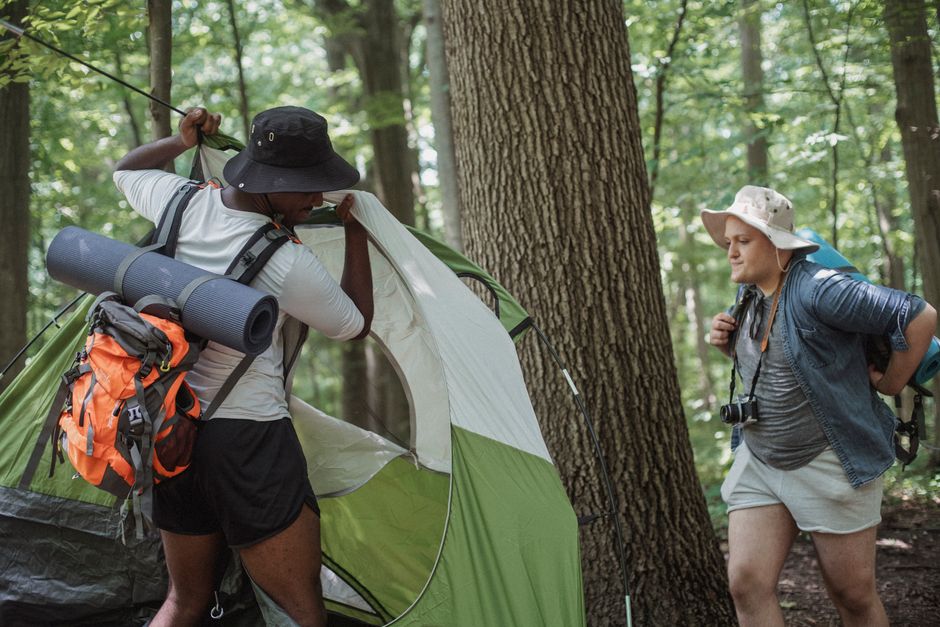
Stay calm, listen, and leave if the land manager or resident asks you to move. Do not argue that other campers do it, point to a social media post, or claim that one quiet night cannot matter. A respectful departure protects future access better than winning a roadside debate.
How can you reduce pressure on popular places?
Travel midweek, avoid posting exact coordinates of fragile sites, and spread visits across legal areas. Buy food and fuel locally when practical, follow parking rules, and keep noise low after sunset. If a town, park, or landowner provides a permit system, use it. Fees often support toilets, rangers, trail repairs, and fire management.
Responsible wild camping is not about performing purity in the outdoors. It is a set of choices that makes a temporary visit easier for the land, wildlife, residents, and the next person. Check permission before chasing a view, use durable ground, carry every trace of food and waste, and leave when conditions make a clean camp impossible.