

Australia is a country where it is frequently more expensive to fly from Sydney to Perth than it is to fly from Sydney to Bali. This geographical quirk is a constant source of frustration for domestic travelers. The distance between Sydney and Perth is roughly 3,300 kilometers—nearly the same distance as a flight from London to Cairo—yet the lack of competition on certain routes often keeps prices artificially high. If you are looking for the best cheap flights in Australia, you have to look beyond the surface level of search engine results and understand the mechanics of the Australian aviation market.
When is the best time to book domestic and international flights from Australia?
Timing isn’t just a suggestion in the Australian market; it is the difference between a $99 fare and a $450 fare. For domestic travel, the data suggests a sweet spot of 21 to 28 days before departure. Unlike the US or European markets, where last-minute deals can occasionally surface, Australian carriers tend to ramp up prices aggressively as the departure date nears. If you are flying between major hubs like the Sydney-Melbourne-Brisbane triangle, booking a month out is your safest bet for securing a base-level fare.
Identifying the Australian Shoulder Season
The Australian school holiday calendar is the single most significant factor in price surges. If you are traveling during the Christmas break (mid-December to late January), the Easter break, or the two-week intervals in July and September, you will pay a premium regardless of how early you book. The true value lies in the shoulder seasons: February to March and October to November. During these windows, demand drops, and airlines like Jetstar and Virgin Australia frequently launch tactical sales to fill seats. If your schedule allows for mid-week travel—specifically Tuesdays and Wednesdays—you can often shave another 15-20% off the ticket price compared to a Friday or Sunday departure.
International Booking Windows from Australia
For international flights departing from Australia, the strategy changes. Research indicates that for long-haul routes to Europe or North America, the optimal booking window is approximately five to six months in advance. For short-haul international hops to New Zealand or Indonesia, three months is usually sufficient. It is also worth monitoring the ‘early bird’ sale season, which typically runs from September to November for travel in the following European summer. During this period, full-service carriers like Qatar Airways or Singapore Airlines often release fares that rival budget carriers when you factor in the included baggage and meals.
Comparing Australian Budget Airlines: Jetstar vs. Virgin vs. Rex

The landscape of low-cost carriers in Australia has shifted significantly over the last few years. With the exit of smaller players, the market is dominated by three main entities, each offering a different value proposition. Understanding the trade-offs between these airlines is essential for finding the best cheap flights in Australia without sacrificing too much comfort or reliability.
| Airline | Average Price Point | Standard Carry-on | Reliability Rating |
|---|---|---|---|
| Jetstar | Lowest ($) | 7kg (Strictly enforced) | Moderate |
| Virgin Australia | Mid-range ($$) | 7kg (Flexible) | High |
| Rex (Regional Express) | Competitive ($$) | 7kg | Very High |
The Jetstar Model: Low Base Fares, High Add-ons
Jetstar remains the primary choice for ultra-low-cost travel. Their “Friday Fare Frenzy” is a legitimate source of deals, often featuring $39 or $49 one-way domestic flights. However, the base fare is deceptive. Jetstar is notorious for its strict 7kg carry-on limit. If your bag is 7.5kg at the gate, you could face a $65 fee on the spot. For travelers who can pack light and don’t care about seat selection, Jetstar is unbeatable. But if you need a 20kg checked bag and a meal, the price often creeps up to the level of a Virgin Australia fare.
Virgin Australia: The Middle Ground
Since its restructuring, Virgin Australia has positioned itself as a “value” carrier rather than a budget one. They offer a more refined experience than Jetstar, with better legroom and a more reliable schedule. Their “Happy Hour” sales (usually on Thursdays) are the best time to book. While their base fares are usually $20-$40 higher than Jetstar, they include more frequent flyer points and a higher level of customer service, which can be invaluable if your flight is canceled or delayed.
Rex: The Dark Horse of Domestic Travel
Regional Express (Rex) was once limited to small country towns, but it now operates on major trunk routes between Sydney, Melbourne, and Brisbane. Rex often includes features in their base fare that others charge for, such as small snacks and a more generous approach to customer service. Their reliability often exceeds the bigger players, making them a top choice for business travelers on a budget. If you are looking for the best cheap flights in Australia on the East Coast, never book without checking the Rex website directly, as they are sometimes omitted from third-party aggregators.
How to Use Booking Tools and Technology to Find Lower Fares
Relying on a single search engine is a mistake. The Australian market is small enough that certain airlines offer exclusive deals through their own apps or specific third-party partners. To find the absolute lowest price, you need to employ a multi-layered search strategy.
The Google Flights and Skyscanner Combo
Start with Google Flights to identify the price trends. Google’s “Track Prices” feature is the most robust tool for the Australian market, sending you an email the moment a fare drops for your specific dates. Once you have identified the cheapest dates, cross-reference that price with Skyscanner. Skyscanner often picks up fares from smaller Online Travel Agencies (OTAs) that Google misses. However, be cautious with obscure OTAs; if the price difference is less than $20, it is always better to book directly with the airline to ensure you have better recourse if things go wrong.
The VPN and Incognito Myth vs. Reality
There is a long-standing belief that using a VPN or incognito mode will lower your flight price. In the Australian context, this is largely a myth. Prices are driven by booking classes (buckets of seats) and real-time demand. However, a VPN can be useful for international travel. If you are booking a flight from an overseas carrier (e.g., AirAsia or Scoot), occasionally setting your location to the airline’s home country can reveal local currency pricing that is slightly cheaper than the Australian Dollar conversion offered to IP addresses in Sydney or Melbourne.
Pro Tip: Always clear your browser cache or use a private window when checking the same route multiple times. While it may not change the base price, it prevents the site from “holding” a higher-priced seat in your session.
Hidden Costs and How to Avoid the “Budget Trap”

A “cheap” flight can quickly become an expensive mistake if you don’t account for the peripheral costs of Australian travel. The distance of airports from city centers and the aggressive fee structures of LCCs are the primary culprits.
Airport Transfers and Parking
In cities like Melbourne, the airport (Tullamarine) is located roughly 23km from the CBD. If you find a flight that is $20 cheaper but arrives at 11:30 PM, you might find that the SkyBus has stopped running or that an Uber will cost you $80. Always calculate the total cost of the journey, including the transfer. Similarly, airport parking in Australia is among the most expensive in the world. Using a retail aggregator to pre-book off-site parking can often save you more than the flight discount itself. If you are shopping for travel gear before your trip, consider using retail partners through an affiliate portal to earn cashback, which can be funneled back into your travel budget.
The Baggage Weight Game
Australian airlines are increasingly moving toward a “piece and weight” hybrid model. Jetstar now offers a 14kg carry-on top-up, which is often cheaper than checking a 20kg bag. If you are traveling for a short weekend, this is the most efficient way to save. For those who must check a bag, pay for it at the time of booking. Adding a bag at the airport in Australia can cost three times the online price. If you need new lightweight luggage to stay under these limits, look for retail deals on sites like Amazon or specialized luggage stores, which often have sales during the end-of-financial-year (EOFY) period in June.
Leveraging Rewards Programs and Financial Tools for Airfare Savings
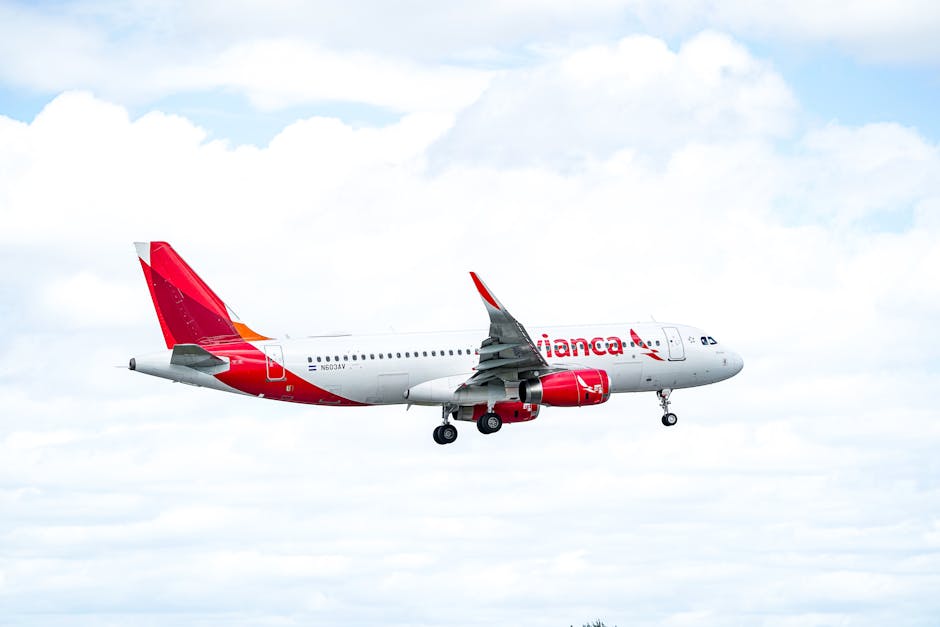
You don’t always have to pay cash for the best cheap flights in Australia. The Australian market is heavily integrated with retail and financial reward systems. If you are not utilizing these, you are essentially leaving money on the tarmac. The two major players are Qantas Frequent Flyer and Velocity (Virgin Australia).
Converting Daily Spending into Flights
The fastest way to earn free flights in Australia is through retail partnerships. Programs like Everyday Rewards (linked to Woolworths) and Flybuys (linked to Coles) allow you to convert your grocery spend into Qantas Points or Velocity Points, respectively. During “bonus point” promotions, it is possible to earn enough points for a one-way domestic flight simply by doing your weekly grocery shopping and buying specific household items. This is a form of “travel hacking” that requires zero extra spending, just a change in where you shop.
Credit Card Sign-up Bonuses and Finance
For those with a disciplined approach to finance, credit card sign-up bonuses are the most potent tool in the arsenal. Many Australian banks offer cards with 60,000 to 100,000 bonus points when you meet a minimum spend requirement. This is often enough for a return flight to New Zealand or a one-way flight to Asia in business class. When choosing a card, look for those that offer a “travel credit” (usually $200-$450), which effectively cancels out the annual fee. This is a sophisticated way to secure the best cheap flights in Australia by utilizing financial products to your advantage.
The Importance of Travel Insurance and Connectivity
Finally, never let the pursuit of a cheap fare lead you to skip travel insurance. Even for domestic flights, a cancellation can result in lost hotel bookings or expensive last-minute alternatives. Many credit cards include complimentary travel insurance if you pay for the flight with the card. Additionally, for international hops out of Australia, look into telecom solutions like eSims before you leave. Roaming charges from major Australian telcos can be astronomical, and having a plan in place ensures you can still access booking apps and maps without a massive bill waiting for you at home. These small financial considerations are what separate a lucky traveler from a truly savvy one.
Finding the best cheap flights in Australia requires a blend of data analysis, timing, and an understanding of the local market’s quirks. By avoiding peak holiday windows, comparing the true cost of budget carriers, and leveraging retail and financial rewards, you can navigate the vast distances of the Australian continent without emptying your savings account. The deals are there—you just have to know which levers to pull.