
Most Patagonia packing lists read like an REI catalog exploded. You do not need five jackets, three pairs of boots, and a satellite phone for two weeks in Chilean and Argentine Patagonia during winter. You need a tight system. I’ve done this trip twice in July and August, and the list below is what I actually pack after cutting everything that didn’t earn its weight.
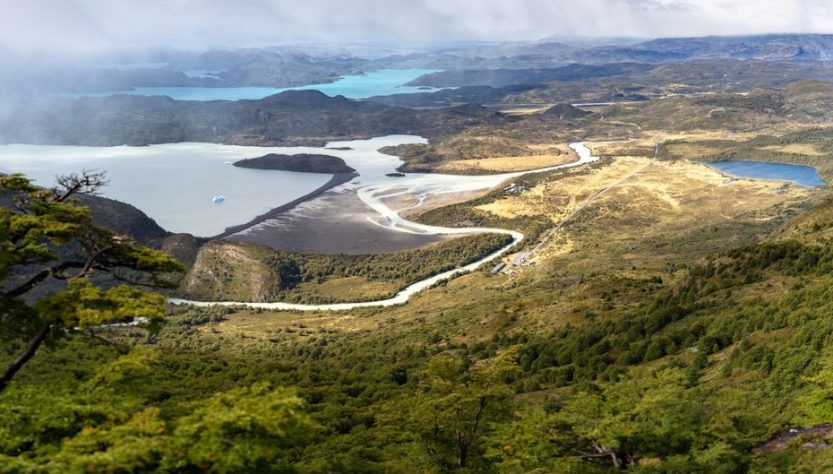
The core problem in Patagonia winter is not extreme cold. It’s wind-driven moisture. You can get 40°F days with 50 mph gusts, then sleet, then sun, all before lunch. Your packing list must solve for variable wind, not just low temperatures. Start there and the rest falls into place.
The Non-Negotiable Layer System
Patagonia winter temperatures in Torres del Paine and El Chaltén typically range from 20°F to 45°F. But the wind chill regularly drops that to near 0°F. Your clothing system needs to handle both the mild, sunny stretches and the brutal gusts without forcing you to strip down to base layers every 20 minutes.
Here is the exact layer stack I use. Every piece earns its place.
Base Layer: Merino Wool, Not Cotton
Cotton kills in Patagonia. It holds moisture, dries slowly, and leaches heat when wet. I bring two merino wool base layer tops and one bottom. The Smartwool Classic Thermal Merino 250 ($110 top, $120 bottom) is my pick. It handles multi-day wear without stinking, which matters when laundry access is limited in Puerto Natales or El Calafate.
One synthetic base layer top as backup is fine. The Patagonia Capilene Midweight ($79) dries faster than merino if you hand-wash in a sink. Bring one of each. Two merino tops total, one synthetic top, one merino bottom.
Mid Layer: One Fleece, One Insulated Jacket
Skip the heavy down parka for daytime hiking. You’ll overheat in 10 minutes. The Patagonia R1 Air Fleece ($139) is the most versatile mid layer I’ve tested. It breathes well under a shell but traps heat when you stop moving.
For evenings and early mornings, the Arc’teryx Atom LT Hoody ($280) is the best synthetic insulated jacket for this climate. Down loses loft when wet. Patagonia winter is wet. Synthetic insulation keeps working even if your shell leaks. The Atom LT packs into its own pocket and weighs 13 oz.
Shell: The Single Most Important Item
Your outer shell is doing the real work. It blocks wind, sheds rain and sleet, and traps the warm air your layers generate. Do not cheap out here. The Arc’teryx Beta LT Jacket ($450) uses Gore-Tex Pro and has pit zips that actually work. The Patagonia Torrentshell 3L ($179) is the budget pick and handles 90% of conditions.
For pants, the Patagonia Torrentshell 3L Pants ($149) go over your hiking pants when the sleet hits. Full-zip sides make them easy to take on and off with boots on.
What Most People Overpack (And What to Cut)
Every travel influencer tells you to bring a puffy down jacket, a third pair of shoes, and enough layers for an Arctic expedition. Here’s what I learned after my first trip: you’ll wear the same base layer for three days straight, never touch the down pants, and regret every extra pound in your pack when you’re climbing the Mirador Las Torres trail.
The biggest mistake I see is packing for static cold. You’re not standing still at a bus stop. You’re hiking uphill with a 20 lb pack. Your body generates heat. Pack for active warmth, not stationary warmth.
| Item | What I Pack | What I Cut | Why |
|---|---|---|---|
| Jackets | 1 shell, 1 insulated mid layer | Down parka, second shell | Down fails when wet; two shells is redundant |
| Base layers | 3 tops, 1 bottom | 5+ tops, 2 bottoms | Merino handles multi-day wear |
| Footwear | 1 hiking boot, 1 camp shoe | 3+ pairs | Boots need to dry between days |
| Accessories | 2 gloves, 2 hats, 1 buff | 4+ gloves, 3 buffs | Wind is the enemy, not cold |
| Electronics | Phone, power bank, headlamp | Laptop, tablet, drone | Weight and charging logistics |
Cut the second pair of hiking boots. Cut the down pants. Cut the laptop. Your back and your knees will thank you on day 9 when you’re carrying your pack up a scree slope in 40 mph winds.
The Gear That Earns Its Weight
Beyond clothing, a few specific items make the difference between a comfortable trip and a miserable one. These are the things I never leave behind.
Boots: Waterproof, Broken In, One Pair
The Salomon Quest 4 GTX ($230) is the best boot for Patagonia winter. It’s waterproof, has a solid toe cap for scree, and provides enough ankle support for the rocky sections of the W Trek. The La Sportiva Nucleo High II GTX ($249) is lighter and better if you’re doing day hikes from El Chaltén instead of multi-day treks.
Break them in before you fly. New boots in Patagonia mean blisters by day 3. Bring Leukotape P ($8) for hot spots. It sticks far better than moleskin.
Socks: Darn Tough, Three Pairs
The Darn Tough Hiker Micro Crew Cushion ($25 per pair) is the only sock I recommend. Merino wool, lifetime warranty, no blisters. Bring three pairs. Rotate two for hiking, keep one dry for evenings. Hand-wash them in a sink with Dr. Bronner’s soap ($5) and they’ll dry overnight near a heater.
Gloves: Two Pairs, Different Jobs
Your hands are the first thing to freeze in Patagonia wind. Bring a thin liner glove for dexterity and a waterproof shell glove for wet conditions. The Outdoor Research Versaliner ($65) is a liner with a removable shell. The Sealskinz Waterproof All Weather Glove ($55) is the heavy-duty option for rain and sleet.
Skip bulky ski gloves. You can’t operate zippers, adjust trekking poles, or use your phone with them on.
Headlamp: Red Light Mode Is Essential
Winter days in Patagonia are short. You’ll be hiking in the dark, cooking in the dark, and finding the bathroom in the dark. The Black Diamond Spot 400 ($50) has a red light mode that preserves your night vision and doesn’t blind your campmates. Bring spare AAA batteries. The Petzl Actik Core ($70) is rechargeable but slightly heavier.
Electronics and Connectivity: The Realities
Patagonia winter is not the place to rely on your phone for everything. Cold drains batteries fast. Remote areas have no signal. And hostels in Puerto Natales often have limited outlets. Plan your electronics around these constraints.
Bring a Anker PowerCore 10000 power bank ($35). It charges your phone twice and fits in a jacket pocket. Keep it in an inner layer, not your pack. Cold batteries die. Your body heat keeps it functional.
A local SIM card from Entel gives you the best coverage in Chilean Patagonia. In Argentina, Movistar works best around El Calafate and El Chaltén. Buy it at the airport. Do not rely on international roaming. It’s expensive and spotty.
Download offline maps before you go. Maps.me and AllTrails both work offline. The Torres del Paine trails are well-marked, but the Fitz Roy trails from El Chaltén have confusing junctions in snow. A GPS track on your phone is worth more than any paper map in a whiteout.
Packing List Summary
Here is the complete list in one place. If it’s not on this list, you probably don’t need it.
- Clothing: 2 merino base layer tops (Smartwool 250), 1 synthetic base layer top (Patagonia Capilene), 1 merino base layer bottom, 1 fleece (Patagonia R1 Air), 1 insulated jacket (Arc’teryx Atom LT), 1 waterproof shell (Arc’teryx Beta LT or Patagonia Torrentshell), 1 waterproof shell pants, 2 hiking pants, 1 camp pants, 3 pairs merino socks (Darn Tough), 4 underwear, 1 buff, 2 hats (1 beanie, 1 sun hat), 2 gloves (1 liner, 1 shell)
- Footwear: 1 waterproof hiking boot (Salomon Quest 4 GTX), 1 camp shoe (lightweight sneakers or sandals)
- Gear: 1 headlamp (Black Diamond Spot 400), 1 power bank (Anker PowerCore 10000), 1 water bottle (Nalgene 1L), 1 insulated thermos (Hydro Flask 16 oz)
- Misc: Leukotape P, sunscreen (SPF 50+), lip balm, sunglasses, toiletries, passport, travel insurance docs, local SIM card
The single most important takeaway: pack for wind-driven moisture, not extreme cold, and cut anything that doesn’t solve that specific problem.