
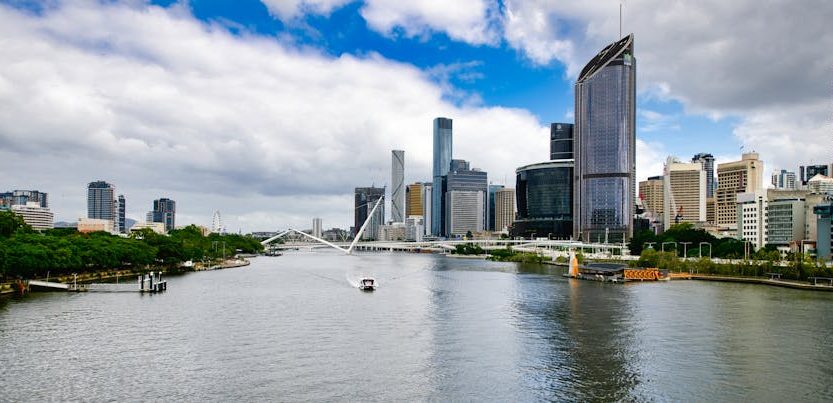
Looking for hotel deals in Brisbane that won’t break the bank? It’s a common challenge. Navigating the myriad of booking sites, understanding dynamic pricing, and knowing when to hit ‘confirm’ can feel overwhelming. This guide cuts through the noise. We’ll show you exactly how to secure the best rates for your Brisbane stay, focusing on practical steps and common pitfalls.
Timing Your Brisbane Hotel Search for Maximum Savings
When you book your hotel can dramatically impact the price you pay. Brisbane, like any major city, experiences significant fluctuations in accommodation demand. Understanding these patterns is your first step to securing a great deal. Don’t just pick random dates; strategize.
Seasonal Demand and Pricing Shifts
Brisbane’s weather patterns directly influence tourism and hotel prices. The peak season generally runs from late autumn to early spring (April to October), offering cooler, drier weather perfect for outdoor activities. During these months, expect higher prices, especially around school holidays (April, July, September/October) and public holidays like Easter. Summer (December to February) brings humidity and heat, often leading to a slight dip in leisure travel demand, which can translate to better deals outside the Christmas-New Year period. However, major events can override these general trends.
For example, a standard hotel room in the CBD might average around $180-$250 per night during off-peak periods. During peak season or major events, that same room could easily jump to $300-$450 or more. Consider visiting during the shoulder seasons – March-April or October-November – when the weather is still pleasant but the crowds (and prices) aren’t at their absolute peak. This typically offers the best balance of good weather and reasonable rates.
The Sweet Spot: Booking Windows Explained
There isn’t a single magic number for booking in advance, but general patterns emerge. For most Brisbane hotels, booking roughly **2 to 4 months out** for peak season travel offers a good balance. This allows you to lock in rates before demand truly escalates, without committing too far in advance in case plans change. For off-peak travel, you can often find good deals booking **2 to 4 weeks prior**. Hotels might drop prices to fill rooms closer to the date if occupancy is low. However, relying on last-minute deals is a gamble, especially if your dates are fixed or you have specific hotel preferences.
Always check if rates are flexible. A slightly higher flexible rate might save you hundreds if you need to cancel, compared to a cheap non-refundable booking you can’t use. Many travellers regret locking into non-refundable deals too early, only to find a better option or face unexpected changes later.
Major Events Driving Up Costs
Brisbane hosts numerous large-scale events throughout the year that significantly inflate hotel prices across the city. Think about events like Riverfire (September), State of Origin rugby league matches, major concerts at Suncorp Stadium, or large conferences at the Brisbane Convention & Exhibition Centre. These events can sell out entire hotels months in advance, pushing remaining room prices sky-high. If your travel dates coincide with one of these, you have two options:
- Book as far in advance as humanly possible, ideally 6+ months out, to secure a reasonable rate.
- Consider staying further out from the city center, perhaps in suburbs like Woolloongabba or even Ipswich, and commuting via public transport.
Always cross-reference your travel dates with Brisbane’s event calendar before finalizing your booking. A quick Google search for “Brisbane events [your travel month]” can save you a lot of money and frustration.
Avoid These Common Mistakes When Booking Brisbane Accommodation

Many travelers unknowingly make errors that cost them hundreds on their Brisbane hotel stays. Sidestepping these common pitfalls is crucial for maximizing your budget.
-
Ignoring Flexible Cancellation Policies
It’s tempting to grab the cheapest non-refundable rate. Often, these rates are 10-20% lower than flexible options. However, life happens. Unexpected changes in travel plans, flight delays, or even a sudden illness can mean losing your entire payment. For a typical four-night stay costing $800, that’s $800 down the drain. Always assess your risk tolerance. If your plans are set in stone and you have travel insurance that covers cancellations, a non-refundable rate can be smart. Otherwise, pay the slightly higher premium for peace of mind. Many booking platforms, like Booking.com, clearly label “Free cancellation” options, often up to 24-48 hours before check-in. Use them.
-
Not Comparing Across Multiple Platforms
Relying on a single booking site is a rookie mistake. No single platform consistently offers the absolute lowest price. Aggregators like Trivago, Kayak, and Skyscanner Hotels are excellent starting points for a broad overview. They scan numerous Online Travel Agencies (OTAs) such as Expedia, Hotels.com, and Agoda. However, don’t stop there. After checking an aggregator, visit the official hotel website directly. Hotels often offer exclusive deals, loyalty program discounts, or perks (like free breakfast or late checkout) that aren’t available through third-party sites. Sometimes, direct booking can even beat the OTA price, especially if you sign up for their free loyalty program.
Always open 3-5 tabs: an aggregator, two major OTAs (Expedia/Booking.com), and the hotel’s direct site. Compare apples-to-apples: ensure cancellation policies, room types, and included amenities (Wi-Fi, breakfast) are identical before making your final choice.
-
Overlooking Hidden Fees and Taxes
The price you see initially isn’t always the final price. Many booking sites don’t display all taxes and fees until the very last step of the booking process. Australian hotels typically include GST (Goods and Services Tax) in their advertised rates, but always verify. Beyond taxes, look out for:
- Parking fees: Downtown Brisbane hotels often charge $30-$50 per night for parking. If you’re driving, factor this in.
- Wi-Fi charges: While increasingly rare, some budget or older hotels might still charge for Wi-Fi.
- Resort fees: Less common in city hotels, but some larger properties with extensive facilities might implement them.
- Credit card surcharges: Some hotels or booking sites add a small percentage (1-3%) for credit card payments.
Always proceed to the final booking confirmation page (before hitting ‘pay’) to see the total, all-inclusive cost. This prevents nasty surprises upon checkout.
Top Brisbane Neighborhoods for Value and Experience
Choosing the right neighborhood in Brisbane isn’t just about location; it’s about finding the balance between accessibility, amenities, and your budget. Different areas cater to different travel styles and price points.
CBD vs. South Bank: A Price Comparison
Brisbane’s Central Business District (CBD) offers immediate access to corporate offices, major shopping precincts like Queen Street Mall, and excellent public transport links. Hotels here tend to be business-oriented, with prices often higher, especially on weekdays. South Bank, just across the Brisbane River, is famous for its cultural precinct, man-made beach, parklands, and family-friendly attractions. It’s vibrant and tourist-focused, offering a mix of higher-end and mid-range accommodation. Generally, South Bank hotels can offer slightly better value than comparable CBD properties, particularly on weekends.
Consider the journey time and cost between these areas. While walkable across Victoria Bridge, a ride-share or public transport link might be needed for some destinations, adding a small cost to your day. For travellers prioritizing direct access to business or premium shopping, the CBD is ideal. For those seeking cultural experiences, parklands, and a more relaxed vibe, South Bank often presents a better overall package.
Fortitude Valley: Nightlife and Budget Options
Just north of the CBD, Fortitude Valley (often simply ‘The Valley’) is Brisbane’s entertainment hub. It’s known for its live music venues, trendy bars, nightclubs, and diverse dining scene. Accommodation here ranges from boutique hotels to budget-friendly hostels and apartment-style stays. If nightlife and a vibrant atmosphere are priorities, The Valley is a strong contender. Prices can sometimes be more competitive than the CBD, especially for properties a few blocks removed from the main clubbing strips.
While potentially noisier on weekend nights, The Valley offers excellent public transport connections (train station, bus routes) to the CBD and other parts of Brisbane. It’s a great choice for younger travelers, those seeking an edgy vibe, or anyone looking for value without sacrificing access to entertainment and diverse food options.
Kangaroo Point and West End: Local Vibe vs. Accessibility
For a slightly different experience, consider Kangaroo Point or West End. Kangaroo Point, across the river from the CBD, is known for its stunning city views, cliffside walks, and more residential feel. It offers a mix of apartment hotels and quieter options, often at a better price point than the immediate city center. Access to the CBD is via the iconic Story Bridge, ferry (CityHopper/CityCat), or bus. It’s ideal for those seeking a tranquil base with picturesque surroundings.
West End, adjacent to South Bank, is a bohemian, eclectic suburb famous for its independent boutiques, organic markets, and diverse culinary scene. Accommodation here leans towards guesthouses, smaller hotels, and apartment rentals. While not as central as the CBD, it offers a strong local vibe and excellent bus connections. Prices are generally more affordable than the CBD or South Bank, appealing to travelers who prefer immersion in a local community over a standard tourist experience.
| Neighborhood | Typical Price Range (per night) | Pros | Cons |
|---|---|---|---|
| CBD | $180 – $400+ | Central, business-focused, shopping, transport hub | Higher prices, less local feel, busy |
| South Bank | $160 – $350 | Cultural precinct, parklands, family-friendly, vibrant | Can be crowded, popular with tourists |
| Fortitude Valley | $140 – $300 | Nightlife, music, diverse food, trendy | Can be noisy on weekends, further from river attractions |
| Kangaroo Point | $120 – $280 | City views, quieter, residential feel, apartments | Requires transport to main attractions |
| West End | $100 – $250 | Bohemian vibe, local shops, cafes, affordable | Further from CBD, less formal accommodation |
Essential Tools for Uncovering Brisbane Hotel Bargains

Finding a great hotel deal in Brisbane isn’t just about luck; it’s about using the right resources strategically. There are several tools that, when used together, provide a comprehensive view of the market and help you pinpoint the best rates.
Start with Trivago for initial price comparisons, but always verify directly. Trivago (and similar aggregators) scans hundreds of booking sites, giving you a quick snapshot of where a specific hotel is cheapest. However, their data isn’t always real-time, and sometimes direct hotel websites offer unadvertised deals or better loyalty benefits. Use aggregators as your research launchpad, not your final booking destination.
Price Comparison Sites Effectively
Beyond Trivago, other robust price comparison sites include Kayak, Skyscanner Hotels, and Google Hotels. Each has slightly different strengths:
- Trivago: Excellent for side-by-side price comparisons across many OTAs. Its filtering options are powerful for narrowing down by price, rating, and specific amenities.
- Kayak: Features price alerts that notify you if the price for your selected dates and hotel drops. This is invaluable if you’re booking far in advance and want to snag a better deal.
- Skyscanner Hotels: Good for integrating with flight searches if you’re planning a flight+hotel package.
- Google Hotels: Often displays hotel prices directly within Google Maps results, making it easy to see options in a specific area. It also pulls prices from various OTAs and the hotel’s direct site.
The key is not to just pick the lowest price you see. Click through to the booking site and verify the room type, cancellation policy, and what’s included (breakfast, Wi-Fi) before making your decision. Sometimes a slightly higher price on a reputable OTA like Booking.com or Expedia comes with better customer service or more flexible terms.
Direct Booking Perks and Loyalty Programs
Major hotel chains operating in Brisbane, such as Accor (Sofitel, Novotel, Mercure), IHG (Crowne Plaza, Holiday Inn), and Marriott (W Brisbane, Marriott Brisbane), often have their own loyalty programs. Signing up for these (usually free) can unlock member-exclusive rates, sometimes 5-15% lower than public rates. Beyond price, loyalty programs can offer perks like free Wi-Fi, complimentary room upgrades, late check-out, or even free breakfast.
It’s always worth checking the hotel’s official website after you’ve identified a property through an aggregator. Look for sections like “Member Rates” or “Exclusive Offers.” Sometimes, you’ll find packages that include extras (e.g., a dining credit or spa discount) that aren’t available elsewhere. This strategy is particularly effective if you frequently stay with a particular brand.
Utilizing Google Maps and Review Aggregators
Google Maps isn’t just for navigation. When searching for hotels in Brisbane, zoom into your desired neighborhood and use the “Hotels” filter. This visually shows you where properties are located, their approximate price range, and user ratings. Clicking on a hotel brings up a summary of prices from various providers and direct links to book.
Review aggregators like TripAdvisor are also powerful. Beyond reading reviews, use their filters. You can filter hotels by “Value” or “Price” to see properties that consistently receive high ratings for what they offer at their price point. This helps you avoid booking a cheap hotel that ends up being a terrible experience. Look for comments specifically mentioning value for money, included amenities, and the cost of extras.
Brisbane Hotel Deal Types: What’s Worth Booking?
Navigating the various ‘deals’ can be confusing. Generally, always prioritize flexibility for unforeseen changes; non-refundable rates offer the best discount if your plans are absolutely locked. Package deals (flight + hotel) can save significantly, especially during off-peak seasons, but often limit your individual hotel choice and might not be ideal if you’re flexible on flights.
Comparison Summary
- Flexible Rates: Higher initial cost, but essential for peace of mind. Highly recommended for uncertain plans.
- Non-Refundable Rates: Lowest price, but zero flexibility. Best for firm, last-minute, or insured bookings.
- Flight + Hotel Packages: Can offer substantial savings, especially from major carriers or OTAs. Best for complete trip planning.
- Direct Booking/Loyalty Programs: Potential for exclusive rates and added perks (upgrades, free breakfast). Always check after aggregator search.