
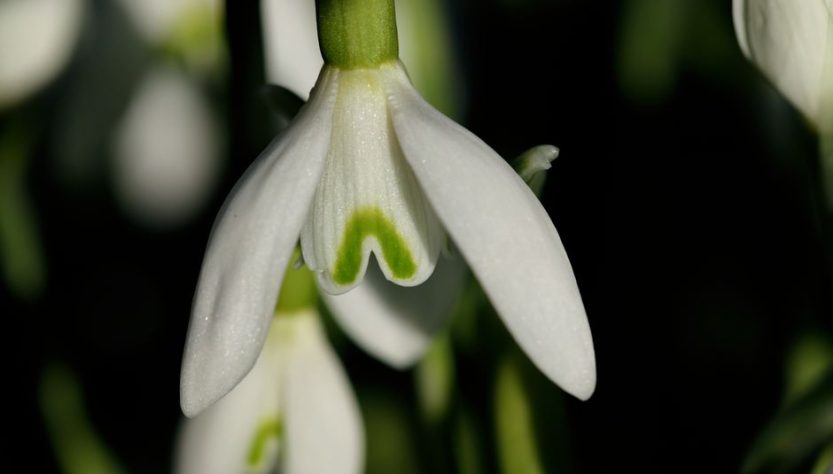
The best February nature day in England is a snowdrop walk followed by a short woodland route, not an overpacked sightseeing circuit. Snowdrops usually flower from January to March, with timing shaped by local weather, shelter, soil, and altitude. For the strongest display, choose a garden or estate that publishes current flowering updates, then keep a nearby woodland as your second option.
The clear winner for first-time visitors is a National Trust garden with marked paths and winter facilities. For a quieter, lower-cost day, choose a free Woodland Trust wood or a Forestry England trail and treat the flowers as a bonus rather than a promise.
When are snowdrops at their best in England?
Snowdrop season is long enough to plan around, but the peak is narrow at each individual site. The Woodland Trust gives 25 January as the average first-flowering date in its Nature’s Calendar records, while its broader guidance places the usual flowering period between January and March. In practical terms, early February is a sensible national starting point, but a sheltered garden in the south may peak before a higher or colder woodland in the north.
Use the weather, not the calendar, as your guide
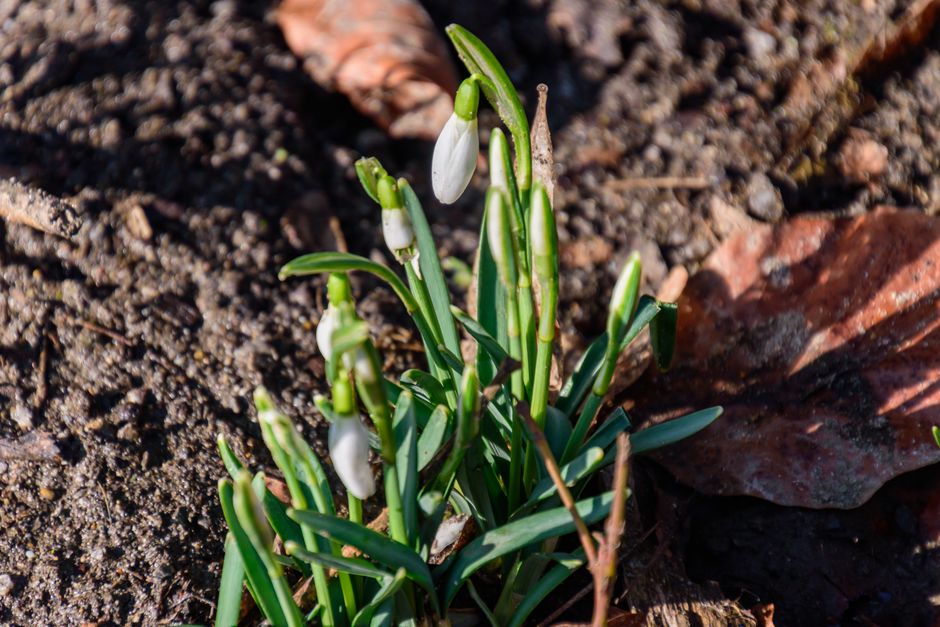
Snowdrops open in response to local conditions. A mild spell can bring flowers forward, while frost, heavy rain, or a cold February can delay the show. Two gardens only a few miles apart may look different on the same day. Check the site’s own visitor page or social feed during the week before travelling. A photograph posted recently is more useful than a generic claim that a garden has snowdrops every year.
Choose gardens for density and woods for atmosphere
Historic gardens often offer the most reliable carpets because staff manage planting and keep paths open. Woodland floors feel more natural, with small groups of snowdrops beneath bare hazel, beech, and oak. The garden is the stronger choice for a dedicated flower visit; the wood is better for silence, birdsong, and a longer walk. Do not expect every patch of white to be snowdrops. Snowflakes and early white crocuses can look similar from a distance, so look for the small bell-shaped flower, narrow grey-green leaves, and green markings inside the bloom.
For a useful scientific record of first flowering, the Woodland Trust Nature’s Calendar project accepts public observations. That makes a February walk more than a photograph stop: you can record what you see without picking or disturbing the plants.
Which winter woodland walk fits your February day?
Snowdrops are delicate and low to the ground. A woodland walk adds height, texture, and movement to the day, but route length matters in February. Mud, short daylight, and closed paths can turn a pleasant two-mile loop into a tiring outing. Pick the route first, then fit the flower stop around it.
| Route | County | Length or surface | Best for |
|---|---|---|---|
| Crosscliff View, Dalby Forest | North Yorkshire | Short, easy-access trail with a mostly even surface | Families and visitors who want a low-effort winter view |
| Tall Trees Trail, New Forest | Hampshire | 1.5 miles; flat, smooth gravel surface | A short woodland walk beneath mature conifers and redwoods |
| Sculpture Trail, Beechenhurst | Forest of Dean | Just under 5 miles, with shorter options | Walkers who want art, trees, and a flexible route |
| Woodpecker Trail, Salcey Forest | Northamptonshire | 6 miles | Strong walkers looking for a longer winter circuit |
| Pinetum Trail, Bedgebury | Kent | Waymarked trail through a national conifer collection | A calm, tree-focused day with varied evergreen scenery |
These route details come from Forestry England’s winter walk guidance. My clear pick is the Tall Trees Trail for a mixed-age group: 1.5 miles is long enough to feel like a real outing, while the flat gravel surface reduces the risk of a muddy finish. Pick Salcey Forest only if six miles is comfortable for everyone in the group.
How should you plan a February nature day?

Build the day around daylight and ground conditions. A simple plan usually works better than trying to visit three famous gardens in one trip.
- Check flowering reports seven days before travel. Look for a recent update from the site itself. Archive pages and old visitor photographs cannot confirm what is open this February.
- Book timed entry or a specialist tour early. Popular snowdrop events can sell out even when the wider garden remains open. Read the ticket conditions carefully and check whether the tour price is separate from admission.
- Start the walk before lunch. February daylight is limited, and wet ground becomes harder to judge late in the afternoon. A 10am arrival gives you time for the main garden, a route, and a warm stop without rushing.
- Wear footwear with real grip. Trainers may be fine on a dry gravel trail but are a poor choice for clay, leaf mould, and steep garden paths. Waterproof shoes matter more than expensive outdoor clothing.
- Carry a small route backup. Download the map, save the car-park location, and identify a shorter loop. Winter path closures happen for safety and conservation reasons.
- Keep the flowers where they grow. Snowdrop bulbs can be damaged by digging, trampling, or collecting. Stay on marked routes and photograph from the path. This protects the display for later visitors.
A brief jurisdiction note: This is not legal advice — consult a licensed attorney. This page gives travel-planning information only; access rules, parking terms, public rights of way, and event conditions are controlled by each site and should be checked with the relevant operator.
What goes wrong on snowdrop walks?
My strongest recommendation is to plan around access, not photographs. A spectacular image may show a private garden, a temporary event, or a short peak in flowering that has already passed. The most common disappointment is not a lack of beauty; it is a mismatch between the visitor’s expectations and the conditions on the ground.
Mistake one: travelling for a peak that has already finished
Snowdrops do not flower on a fixed national schedule. South-facing gardens and sheltered river valleys can peak early. High ground and exposed woodland may still show tight buds when a warmer site is fading. Fix this by choosing two nearby options in the same region and checking both on the same morning.
Mistake two: treating a garden visit as an accessible woodland walk
Some estates have accessible routes, but that does not make every snowdrop path level or firm. The Weir Garden, for example, warns about steep sections, steps, uneven surfaces, and exposed roots. If someone in your group needs a smooth route, choose an explicitly accessible trail such as a short Forestry England route and confirm current conditions before arrival.
Mistake three: measuring success by the number of flowers
A February woodland is not a spring meadow. Bare branches, wet leaves, moss, fungi, catkins, winter birds, and clear views are part of the experience. If you need guaranteed floral density, book a managed garden. If you want solitude, accept that the flower display may be scattered and choose the walk for its wider winter character.
When should you skip a snowdrop garden?
Skip the paid garden if the forecast calls for heavy rain, the site has warned of closed paths, or your group wants a long route rather than close flower viewing. Choose a free local wood instead. The Woodland Trust states that its woods are free to visit, although car parking and local access arrangements can differ. That is the better alternative for a flexible, low-cost February afternoon.
Snowdrop walk questions answered
Is February too late for snowdrops?
No. February is often one of the best months, especially in southern and sheltered parts of England. Early February is a safer choice for many formal displays, while late February can still work at cooler sites. Check the current local report rather than relying on a national average.
Are snowdrop walks suitable for children?
Yes, if the route is short and there is a second activity. A 1.5-mile trail such as Tall Trees gives children a clear finish point, while a six-mile route can become tiring in cold, wet conditions. Add a wildlife-spotting list, a café stop, or a playground where available.
Which is better: a snowdrop garden or a woodland?
Choose a managed garden for the highest chance of seeing dense flower drifts and maintained paths. Choose a woodland for quiet, free exploration and a more natural setting. For most visitors, the best February day combines one of each within a short drive.
What is the best overall choice?
For a dedicated snowdrop day, choose Anglesey Abbey or another garden with a live seasonal update. For a mixed group, choose the Tall Trees Trail at New Forest because its 1.5-mile flat gravel route is easy to manage. For a low-cost, flexible outing, choose a local Woodland Trust wood and make the flowers one part of the walk rather than the entire reason for travelling.
| Visitor priority | Best choice | Reason |
|---|---|---|
| Reliable flower display | Managed historic garden | Dense planting, marked paths, and current visitor information |
| Easy mixed-age walk | Tall Trees Trail, New Forest | 1.5 miles, flat route, and mature winter trees |
| Quiet and inexpensive | Woodland Trust wood | Free woodland access in many locations and flexible timing |
| Longer active day | Salcey Forest Woodpecker Trail | Six miles through mature woodland for stronger walkers |