
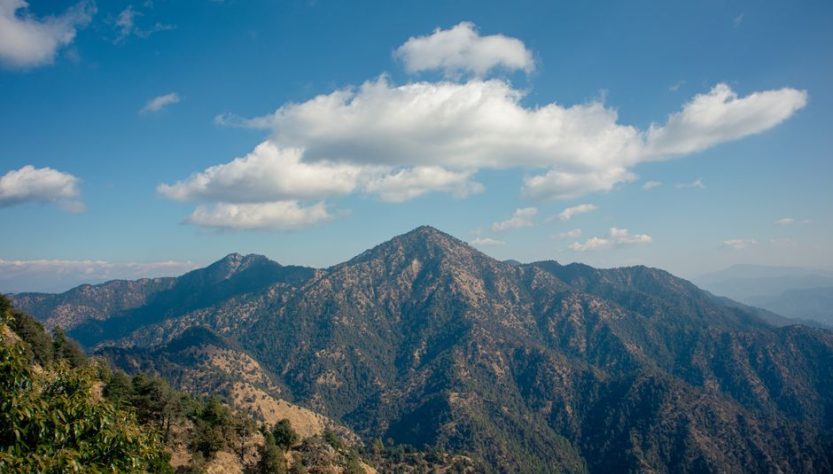
Nepal’s spring hills turn red, pink, and white when rhododendrons open beneath the Himalayan peaks. For a late-spring hike, the best plan follows elevation and weather rather than a fixed calendar date.
When do rhododendrons bloom in Nepal?
The late-spring flowering window
Rhododendrons usually bloom across Nepal from March through May, but the display moves uphill as temperatures rise. Lower forests around 1,500 to 2,200 meters may flower first, often from late March into April. Forests between 2,300 and 3,000 meters can still look excellent in late April and early May. By late May, many lower branches have finished, while higher slopes may still show fresh red or pink clusters.
The Nepal Tourism Board lists March to May as a prime season for Annapurna trekking and describes the region’s spring rhododendron forests. Its seasonal guidance is useful, but it cannot predict one exact flowering week because winter temperatures, rainfall, and altitude all shift the schedule.
How elevation changes the view
Altitude matters more than the month printed on your ticket. A late-April trek at 2,800 meters can offer better flowers than an early-April walk at 1,800 meters. The same trail may pass bare lower branches, full bloom in the middle forest, and new buds near the upper ridge.
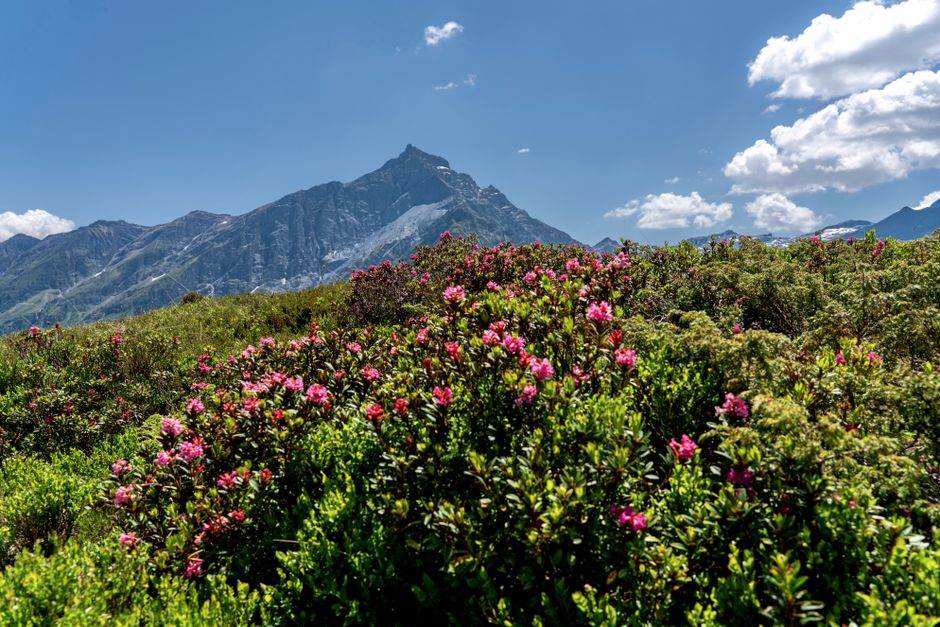
Look for several species, not one uniform color. Rhododendron arboreum commonly produces red flowers, while other Himalayan rhododendrons add pink, white, and purple tones. Oak, magnolia, moss, orchids, birds, and mist make the forest feel richer than a simple flower-viewing trip. Plan sunrise walks for the clearest mountain light, then use the afternoon for village sections and lower forest paths.
Which Nepal trek has the best rhododendron forests?
Route comparison for late spring
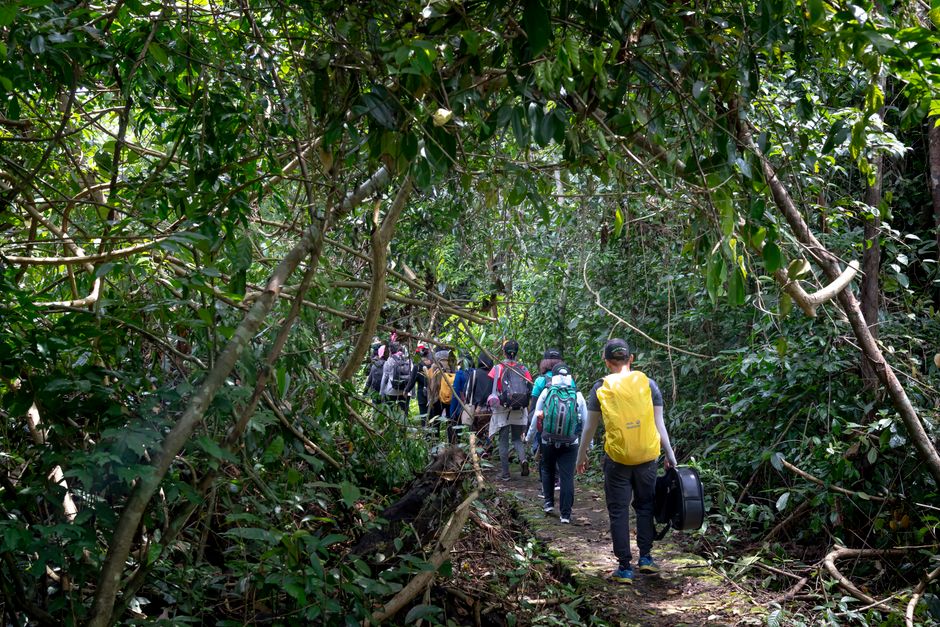
For a first trip, Ghorepani-Poon Hill is the clear winner because it combines reliable lodge access, moderate walking, and dense rhododendron forest. Quieter routes can offer better solitude, but they demand more time and careful logistics.
| Route | Typical duration | Useful elevation range | Late-spring strength | Best for |
|---|---|---|---|---|
| Ghorepani-Poon Hill | 3-5 days | 1,940-3,210 m | Dense forest and sunrise views | First-time trekkers |
| Mardi Himal | 4-6 days | 1,000-4,500 m | Strong lower-forest bloom | Mountain views and variety |
| Helambu | 5-7 days | 2,000-3,500 m | Quiet forest trails near Kathmandu | Shorter transfers |
| Langtang Valley | 7-9 days | 1,500-3,870 m | Mixed forest, villages, and high peaks | Longer nature trips |
| Khopra Ridge | 5-7 days | 2,000-3,660 m | Less crowded than Poon Hill | Experienced hikers |
The practical winner
Choose Ghorepani-Poon Hill if flowers are the main goal and your trip has fewer than five trekking days. Choose Helambu if you want a forest hike with less road travel from Kathmandu. Pick Langtang when the flowers are only one part of a larger trip that includes mountain scenery, Tamang villages, and higher valley landscapes.
Is late May still good for rhododendron trekking?
The honest late-spring verdict
Late May can still work, but it is not the strongest choice for a guaranteed full-bloom experience because lower-elevation flowers may have faded, pre-monsoon cloud can hide the mountains, and short rain showers can make stone steps slippery, so the best late-May strategy is to select a route with flowering forest above 2,300 meters, start walking early, keep one weather-buffer day, and accept that the reward may be fresh upper-forest blooms rather than a wall of color from the trailhead to the pass.
When to choose another season
Choose late March to mid-April for the most dependable lower-forest color, autumn for clearer mountain views without rhododendron bloom, or early winter for quiet trails and colder air; choose late May only when your schedule is fixed or when you value green forests, birdlife, village walks, and a quieter trail as much as flowers.
How should you arrange permits, guides, and transport?
Complete these steps before leaving Kathmandu or Pokhara
- Confirm the route category. Ask a registered trekking agency which permits and guide rules apply to your exact trail. Current Nepal Tourism Board guidance lists routes in Annapurna, Langtang, Helambu, and several other protected areas under the guide and TIMS requirements.
- Arrange the TIMS card. The current listed fee is NPR 2,000 for non-SAARC trekkers and NPR 1,000 for SAARC trekkers. The card is issued through a trekking agency, so do not assume a short trek avoids the process.
- Budget for the protected-area entry fee. The current Nepal Tourism Board fee table lists NPR 3,000 per foreign visitor for Annapurna Conservation Area and Langtang National Park, with different rates for SAARC visitors. Check the official table shortly before departure because government fees can change.
- Book transport with daylight in mind. A road journey from Pokhara to a trailhead can take much longer than the map suggests. Leave early, avoid building a full trekking day after a long vehicle transfer, and keep a spare half-day for road delays.
- Verify lodge stops. Call ahead for Ghorepani, Tadapani, or smaller villages if travelling around a holiday period. Ask about hot water, charging, blankets, and the next day’s walking time rather than relying on an old itinerary.
Keep digital and printed copies of your passport, insurance policy, emergency contacts, permits, and guide details. The Nepal Tourism Board’s current TIMS guidance and park-entry fee table should be checked again before a 2026 departure.
What should you pack for a late-spring rhododendron trek?
Build for warm sun, cold ridges, and sudden rain
Pack for three weather changes in one day. Mornings can feel cold above 2,500 meters, midday sun can burn exposed skin, and afternoon cloud can bring rain. Use a moisture-wicking base layer, a light fleece, a waterproof shell, quick-drying trousers, sun protection, and gloves. Add a warm hat for Poon Hill or any exposed ridge before sunrise.
Footwear matters more than brand. Choose shoes with a firm sole and enough room for thick socks. Late-spring trails may hold mud, wet stone, or old snow on higher sections. Trekking poles reduce strain on long staircases and help on slippery descents. Carry two liters of water capacity, purification tablets or a filter, personal medication, blister care, and a small first-aid kit.
Useful gear examples, without overpacking
A compact pack such as the Osprey Talon 22 gives 22 liters and weighs about 1.08 kg, enough for a day hike when lodges provide bedding. The Petzl Actik Core weighs 88 g and produces 625 lumens, a sensible choice if a sunrise walk begins before dawn. The Garmin inReach Mini 2 weighs 100 g and offers satellite messaging, but it needs an active subscription and should support, not replace, a guide, route plan, and local emergency contacts.
Do not pack for an expedition. A late-spring lodge trek usually needs a lighter load than a camping route. Keep the main pack below 8 kg when possible, and leave cotton jeans, excess camera equipment, and multiple heavy shoes at your hotel.
What mistakes ruin a rhododendron trek?
Should you chase flowers by climbing higher?
Only if your body and schedule support the elevation. A traveller who rushes from Pokhara to a 3,600-meter ridge may miss the flowers because altitude sickness ends the walk first. Add gradual sleeping-height gains, walk slowly, drink regularly, and descend if headache, nausea, unusual fatigue, or poor coordination worsens. The clear verdict is simple: a lower route completed comfortably beats a higher route abandoned in cloud.
Can you trust a dry-season weather forecast?
No forecast can promise clear Himalayan views for a full week. Morning is usually the safer viewing period, so start before breakfast when the route allows it. Carry rain protection even when the sky is blue. Wet stone steps cause more trouble than rain itself, especially on steep descents around Ghorepani and Tadapani.
Is a guide optional on a short nature hike?
Do not assume that distance decides the rule. Current regulations and route classifications matter, and some protected trekking routes require a licensed guide and agency-issued TIMS card. A guide also helps with trail changes, local weather, lodge decisions, and language. For late spring, that local judgment is more valuable when flowers, road conditions, and visibility change from valley to valley.
What does a five-day rhododendron itinerary look like?
A practical Ghorepani-Poon Hill loop
This plan suits travellers who want a concentrated nature hike without turning the trip into a high-altitude expedition. It keeps the famous viewpoint, gives the forest time to unfold, and leaves room for an early start each morning.
| Day | Plan | Approximate walking time | Reason for the stop |
|---|---|---|---|
| 1 | Pokhara to Ulleri or Banthanti, then walk toward Ghorepani | 4-6 hours | Enter the lower rhododendron forest |
| 2 | Sunrise at Poon Hill, then trek to Tadapani | 5-7 hours | Combine mountain light with upper forest |
| 3 | Tadapani to Ghandruk | 3-5 hours | Walk through changing forest and villages |
| 4 | Ghandruk to Landruk or a nearby village | 4-6 hours | Add a quieter ridge and a weather buffer |
| 5 | Return by road to Pokhara | Travel day | Keep the final schedule flexible |
The final planning decision
Book this route for late April or early May if the flowers are the priority. Move to Helambu for a shorter Kathmandu-based trip, or choose Langtang for a longer valley journey with more elevation range. On the trail, leave before sunrise, watch the forest change as you climb, and let the flowers be part of the walk rather than the only measure of success. The ideal late-spring morning begins with a cold climb toward Poon Hill, opens into red rhododendron branches, and ends with a clear enough view to show why Nepal’s forest trails deserve the journey.