

Are you trying to fit beaches, koalas and cool rainforest into one Great Ocean Road trip before the season changes? Late summer is a strong time to go, but the route rewards careful planning. Coastal wind can arrive after a calm morning, popular lookouts fill quickly, and a short rainforest walk can take longer than expected when the track is wet or steep.
The best plan does not rush from Melbourne to the Twelve Apostles in one long day. It gives the coast its best light, saves the Otways for the warmer part of the afternoon, and leaves enough time to look up into the gum trees. This guide focuses on a practical late-summer route, realistic walking distances, respectful wildlife viewing and the mistakes that turn a beautiful drive into a tiring one.
Why late summer works best with a slower route
Start with the coast, then move inland
Late summer usually gives you long daylight and warmer conditions for the exposed sections near Torquay, Lorne, Apollo Bay and Port Campbell. That sounds simple, yet it creates a planning trap: visitors often spend the hottest part of the day on a cliff-top path with no shade, then reach the rainforest after dark. A better rhythm is to walk the coast early, take a proper lunch break, and use the Otways for shaded walks later in the day.
The route also changes character quickly. Beaches and headlands expose you to sun, wind and rough Southern Ocean conditions. A few kilometres inland, fern gullies and tall trees feel cooler and damp. Pack for both settings instead of trusting the temperature in your accommodation town. A light waterproof layer, water, sun protection and shoes with firm grip matter more than a large pile of spare clothes.
Build the day around real driving time
The Great Ocean Road is scenic, but it is not a fast road. Curves, lookouts, walkers, cyclists and wildlife all slow the journey. Allow more time between Lorne and Apollo Bay than a map estimate suggests, especially if you plan to stop at waterfalls or lookouts. Late afternoon is also a useful time to look for koalas near eucalyptus forest, but never stop on the road shoulder for a photograph. Pull fully into a legal parking area and keep your distance.
Check Parks Victoria’s Great Otway National Park guidance before leaving. Fire conditions, storm damage, track repairs and wildlife alerts can change access. The clear verdict is simple: late summer suits the Great Ocean Road best when you plan fewer stops, start early and keep one flexible block for weather.
Which walks fit a three-day Great Ocean Road itinerary?
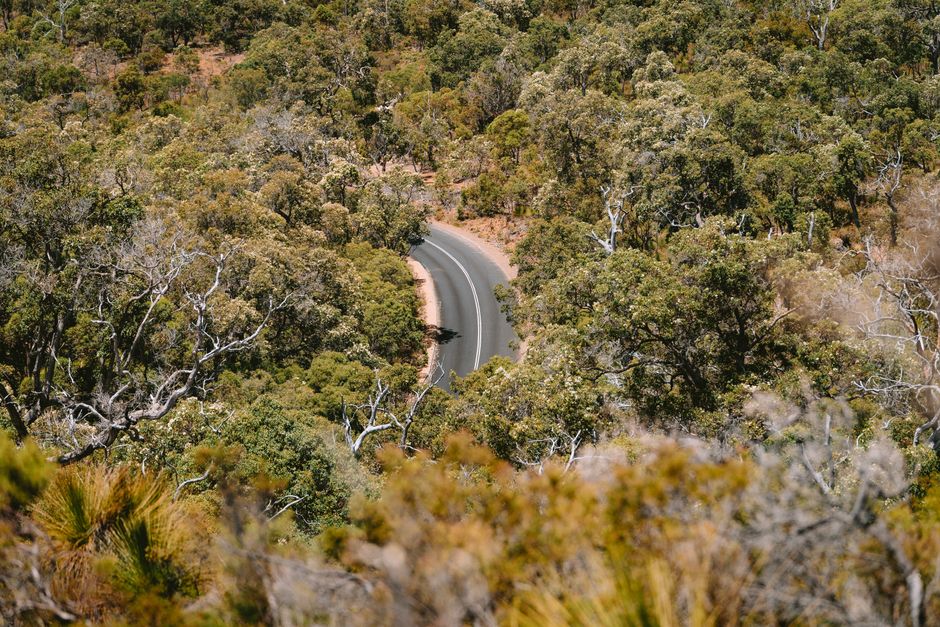
A practical route from Apollo Bay to Port Campbell
Use the table as a framework, not a race schedule. Distances and times describe the walk itself, so add parking, food, photographs and the drive between stops.
| Area | Walk or stop | Distance and time | Best reason to go |
|---|---|---|---|
| Apollo Bay | Apollo Bay to Marengo and Shelly Beach | 6.5 km one way | Coastal views, beach and a short taste of the Great Ocean Walk |
| Cape Otway | Lighthouse Cemetery and Lookout Walk | 800 m, easy | Low-effort coastal history and open views |
| Near Apollo Bay | Maits Rest rainforest walk | Short boardwalk circuit; check current access | Dense ferns, moss and shade |
| Otways | Carisbrook Falls | 1 km return, about 20 minutes | A quick waterfall stop for a busy day |
| Otways | Hopetoun Falls | 1 km return, about 30 minutes | Rainforest scenery and a viewing platform |
| Port Campbell | Twelve Apostles viewing area | Short paths from the car park | Best-known coastal landmark and sunset option |
| Multi-day option | Great Ocean Walk | 104 km, commonly planned over eight days | Remote beaches, forest, cliffs and dedicated hike-in campsites |
Pick two walks, not six
For most three-day visitors, the strongest combination is the Apollo Bay to Marengo section plus one Otways waterfall or rainforest walk. Add the Twelve Apostles and nearby coastal lookouts on a separate day. Trying to include every waterfall, lighthouse, beach and lookout leaves you with photographs but little sense of place.
The official Great Ocean Walk information describes the full route as a 104-kilometre east-to-west experience, with shorter sections available. Treat the long walk as a separate hiking holiday. For a road trip, the winner is the shorter Apollo Bay section: it gives you beach, forest and coastal walking without requiring a shuttle or a camping plan.
Where can you see koalas without disturbing them?
Do koalas appear beside the Great Ocean Road?
They can, especially around eucalyptus forest near Cape Otway, Apollo Bay and parts of the Otways, but no roadside location can promise a sighting. Look high in the fork of a gum tree, scan for a round grey shape and watch for movement in the leaves. Koalas often sit quietly, so patience works better than driving faster between supposed hotspots.
The best approach is to stop at a permitted parking area, keep voices low and use binoculars if you have them. Never feed a koala, touch it or crowd it for a clearer photograph. If an animal sits close to a road, do not pull over dangerously. A missed photograph is a small price for avoiding a collision or forcing wildlife into traffic.
Is a wildlife reserve better for a guaranteed experience?
For travellers who care more about learning than luck, Wildlife Wonders near Apollo Bay offers guided conservation walks in a protected setting. That does not replace seeing a wild koala, but it gives you expert interpretation and a safer chance to understand local species. Choose the reserve when your group includes children, when the weather limits long walks, or when seeing wildlife is the main purpose of the day.
My recommendation is to treat a wild koala as a bonus, not a scheduled attraction. Spend the morning on a walk, scan the trees at legal stops and keep a reserve visit as the dependable alternative. This protects the animal and prevents the trip from becoming a frantic search.
What mistakes make a late-summer trip harder?
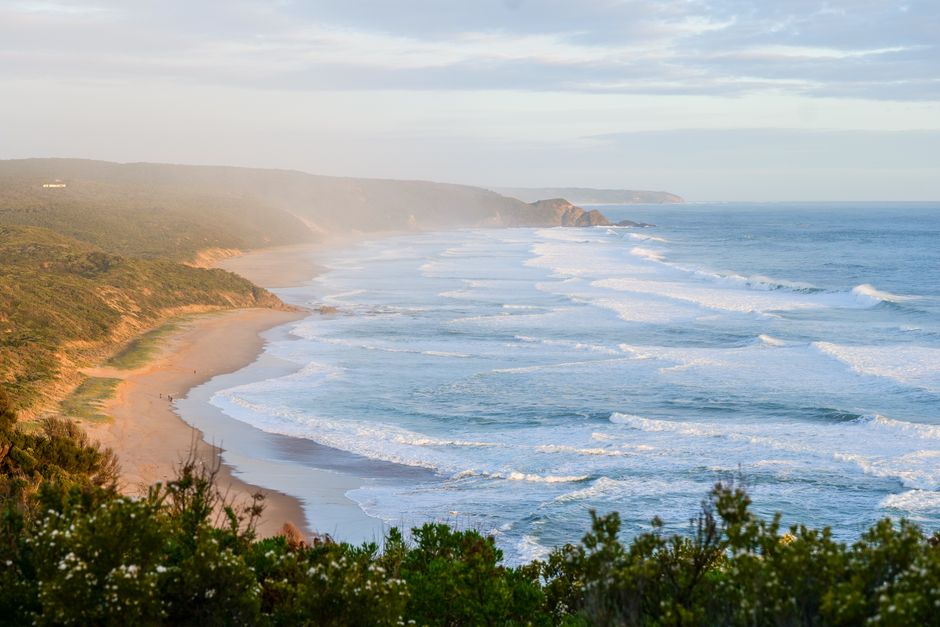
Five problems to prevent before leaving
- Leaving Melbourne too late: A late start pushes coastal walks into the hottest part of the day and leaves little time for the Otways. Leave early enough to reach your first walk before crowds build.
- Using the Twelve Apostles as the whole itinerary: The lookout is impressive, but it does not show the rainforest, wildlife and smaller coastal towns that give the route its range. Stay at least one night near Apollo Bay or Port Campbell.
- Ignoring closures and fire conditions: Track access can change after storms, maintenance or fire danger. Check official park alerts on the morning of each walk instead of relying on an old blog post.
- Underestimating wet forest tracks: Rainforest paths can stay slippery after a dry-looking morning. Wear shoes with grip, slow down on roots and do not descend a waterfall track if the surface feels unsafe.
- Planning a wildlife stop on the road shoulder: Sudden braking creates risk for you, other drivers and animals. Use signed parking areas and leave enough space for wildlife to move away.
What should stay flexible?
Keep one afternoon open for weather. If the coast turns windy, swap a cliff-top walk for Maits Rest, a waterfall or another sheltered Otways track. If rain makes the forest slippery, choose a short viewing path and spend more time in Apollo Bay or Port Campbell. Do not force a beach walk at high tide or enter a closed track simply because it appears on an itinerary.
The biggest planning error is confusing a full day with unlimited energy. Two substantial walks, one meal and several short lookouts are enough. The region rewards attention, not a high stop count.
Which Great Ocean Road route should you choose?
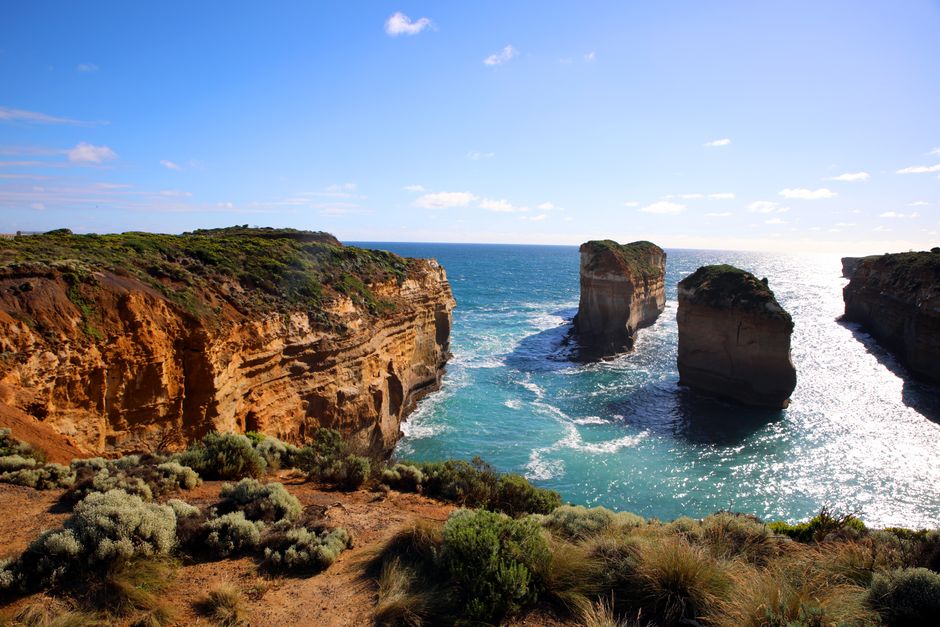
For most visitors, choose Apollo Bay as the base
My clear recommendation is a three-day route based around Apollo Bay, with one full day for the coast and one flexible half-day for the Otways. Apollo Bay places you close to the Great Ocean Walk’s eastern sections, rainforest tracks, Cape Otway and several wildlife experiences. It also gives you a calmer end to the day than trying to drive back to Melbourne after the Twelve Apostles.
On day one, travel from Torquay through Lorne and stop for one short coastal walk. On day two, walk the Apollo Bay to Marengo or Shelly Beach section, then use the afternoon for a rainforest or waterfall stop. On day three, drive west to the Twelve Apostles and Port Campbell, allowing time for lookouts instead of treating the drive as a single transfer.
When Port Campbell is the better base
Choose Port Campbell when the Twelve Apostles, Loch Ard Gorge and the western cliffs matter more than koalas and rainforest. You will reduce the distance to the major limestone landmarks and make sunrise or sunset easier. The trade-off is clear: you spend more time away from Apollo Bay’s forest and wildlife stops, and the eastern coastal drive becomes a longer day.
Do not choose a one-day return from Melbourne if walking and wildlife are your priorities. It can cover the headline lookout, but traffic, road bends and stop times leave too little room for the Otways. For the best balance in late summer, stay two nights, walk early, use the rainforest as your heat refuge and leave the coast enough time to feel unhurried.