
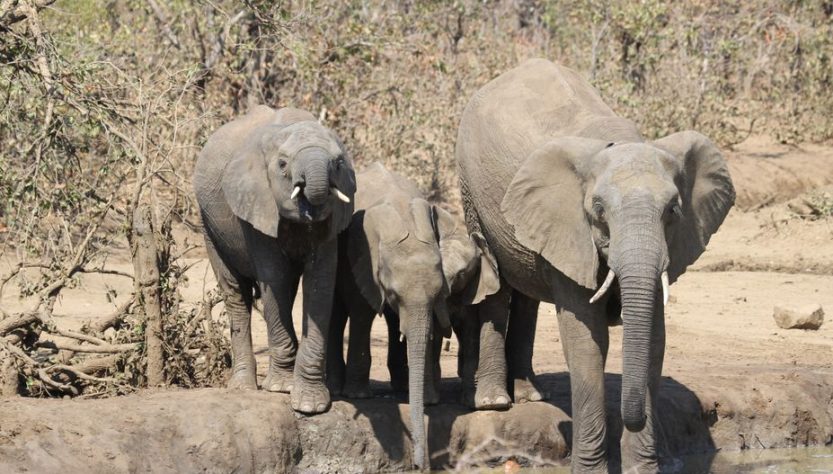
You have three nights in Kruger, a rental car, and one clear goal: see wildlife without paying dry-season prices for a safari that feels crowded. February looks risky on a calendar because it brings heat, afternoon storms, thick vegetation, and muddy roads. The risk is real, but the usual conclusion is too simple. Kruger National Park in February can deliver excellent wildlife viewing when you plan around rain, daylight, road conditions, and habitat instead of chasing a dry-season checklist.
Is February a Good Time to Visit Kruger?
The verdict for most first-time visitors
February is a strong choice for travelers who value green scenery, birdlife, fewer visitors, and flexible game drives. It is a weaker choice for anyone who wants the easiest possible animal spotting, cool weather, or a high chance of driving every gravel road. The green season does not make wildlife disappear. It changes the search conditions.
How February compares with the dry season
| Planning factor | February in Kruger | Dry season, roughly June to September |
|---|---|---|
| Daytime heat | Often about 30–35°C in the Lowveld | Usually milder, with cooler mornings |
| Overnight temperature | Often around 20–24°C | Can fall close to single digits in winter |
| Rain pattern | Summer showers and thunderstorms, often uneven | Much drier, with clearer road conditions |
| Vegetation | Dense, green, and sometimes obstructive | Thinner cover around water sources |
| Birdlife | Excellent for summer migrants and nesting activity | Less variety among seasonal migrants |
The practical winner is clear: choose February for a lush, lower-pressure safari with strong birding and dramatic weather. Choose the dry season for maximum visibility and simpler driving. Current SANParks accommodation prices, gate hours, and road notices still need checking before a 2026 booking because those details change.
What Wildlife Can You See in February?
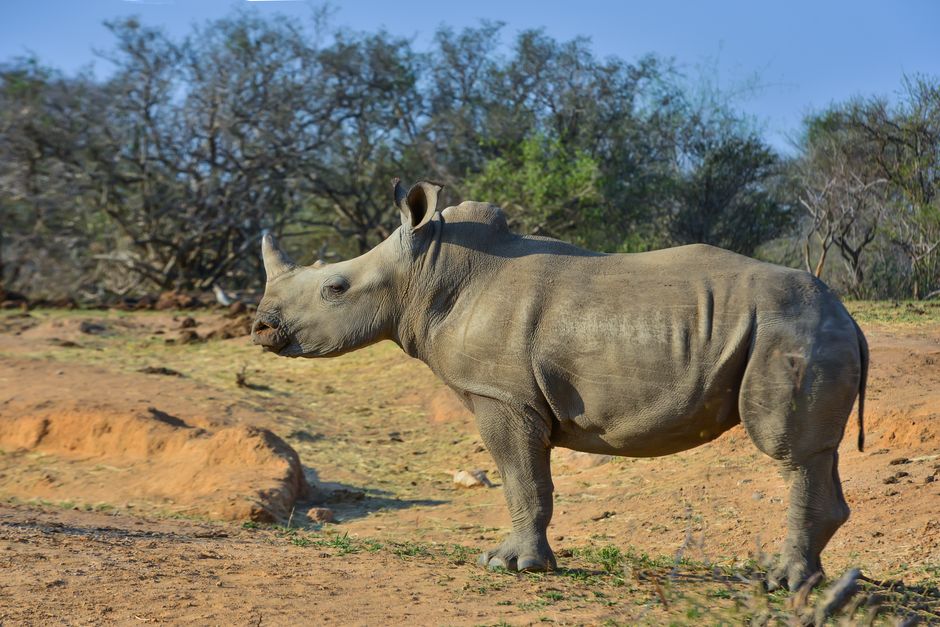
Why the green season changes sightings
Rain spreads water and fresh grass across the park. Animals do not need to gather at the same shrinking pools, so sightings can feel less concentrated than in late winter. Tall grass and leafy trees also hide smaller animals and make leopard sightings harder. That is the tradeoff. February may offer more life across the landscape, but less of it sits in plain view beside a waterhole.
Lions, elephants, buffalo, giraffes, zebras, hippos, crocodiles, and impala remain realistic targets. The strongest advantage comes from movement and sound: wet ground can reveal tracks, fresh grazing areas attract herbivores, and early drives often catch predators before the heat builds. A qualified guide can read these clues faster than a first-time self-driver.
The sightings worth planning around
Summer migrant birds are a major reason to visit. Raptors, bee-eaters, rollers, storks, and other species add color and activity that winter trips may lack. Young animals are also common in the wider summer landscape, although no responsible guide can promise a specific sighting. For February, the clear verdict is to measure success by variety, behavior, and habitat—not by counting how many animals appeared beside one road.
How Rain Changes a Self-Drive Safari
Rain does not cancel a February safari, but it changes the order of decisions. The safest and most productive plan gives you a dry-road option, a short loop, and enough time to return before gates close.
Five adjustments that reduce wasted drives
- Check the morning road report before leaving camp. A route open at breakfast can become difficult after a storm.
- Start early. The first few hours are cooler, brighter, and usually more comfortable for watching animals.
- Use main paved roads after heavy rain when possible. Gravel shortcuts can develop standing water, ruts, and slippery edges.
- Carry drinking water, a charged phone, a paper map, and a dry layer. Do not depend on mobile coverage in every section of the park.
- Turn around before the road becomes a test of vehicle clearance or traction. A missed loop is cheaper than a recovery call or a damaged rental car.
The 2026 planning rule
Verify official gate opening and closing times, road closures, and camp notices shortly before each drive. Storm cells can be local, so a wet morning at one camp does not prove that every region is unusable. Rain changes animal movement, but poor decisions change a manageable shower into a safety problem.
How Hot and Wet Is Kruger in February?
My recommendation: plan February around heat exposure first and wildlife targets second. A hot drive with no shade can exhaust passengers before the best afternoon activity begins. Shorter loops, early starts, and a midday break usually beat one ambitious all-day circuit.
Use the storm window to your advantage
February storms often build later in the day, though timing is never guaranteed. A typical rhythm is an early drive, a rest during the hottest hours, and a second outing when temperatures ease. Thunderstorms can bring sudden wind, heavy rain, poor visibility, and lightning. Stay inside the vehicle during active lightning, avoid exposed viewpoints, and follow staff instructions at camps and picnic sites.
Pack for exposure, not cold
Light long sleeves protect against sun and insects, while a waterproof shell handles a fast shower. Add a brimmed hat, sunglasses, sunscreen, closed shoes, and a small towel for wet seats or binoculars. Dark clothing is not a wildlife requirement, and camouflage clothing offers no special advantage. The winning setup is practical: breathable layers, dry storage, and enough water for delays.
Which Kruger Region Works Best in February?
There is no single February winner across the whole park. The right region depends on the balance between road access, habitat, crowd levels, and the animals you most want to observe.
Choose the south for an efficient first visit
The southern section has a dense network of camps, roads, and established visitor facilities. That gives first-time self-drivers more backup options when rain closes a route. It is the strongest choice for a short trip focused on classic large mammals and manageable logistics.
| Region | February advantage | Main tradeoff | Best fit |
|---|---|---|---|
| South | More facilities and route choices | More visitors on popular roads | First visit or short stay |
| Central | Mixed woodland and open grassland | Longer drives between areas | Big-game variety and predators |
| North | Quieter atmosphere and strong birding | More remote logistics | Repeat visitors and patient observers |
The clear choice by trip length
For two or three nights, stay in one region rather than burning hours crossing the park. For five nights or more, combine regions only if the transfer itself fits your priorities. February rewards patience, and a rested observer near one productive watercourse often sees more than a rushed traveler collecting camp names.
How Should You Build a February Kruger Itinerary?
Use an itinerary that protects your best viewing hours instead of filling every hour with driving. The schedule below works as a planning framework, not a promise about gate times or animal activity.
What should a three-night schedule look like?
On arrival day, settle into camp and take a short late-afternoon drive if road and weather conditions allow. On the first full day, make the early drive your longest outing, rest during the heat, then take a shorter afternoon loop. On the second full day, switch habitat rather than repeating the same road. Keep the final morning close to your exit gate so a storm or slow traffic does not create a departure problem.
How much time should each drive take?
Allow two to four hours for a morning loop and one to three hours for an afternoon loop. Longer drives can work in dry weather, but they create more exposure to heat, fatigue, and sudden rain. Build in time for stops at approved picnic areas and viewpoints. Never leave the vehicle outside designated places, even when the road appears empty.
What should you book before arrival?
Secure accommodation, confirm the nearest entrance gate, and check the distance between your camp and planned viewing areas. A late booking can leave you far from the habitat you wanted to explore. The strongest February itinerary is modest: two reliable drives per full day, one weather buffer, and enough flexibility to follow a fresh road report.
When Should You Skip Kruger in February?
February is the wrong month for a traveler who wants cool mornings, dust-free roads, guaranteed visibility, or a tightly timed checklist of famous animals. Pick the dry season instead if rain would make every road decision stressful or if your trip cannot absorb a canceled drive.
Common mistakes that cost time and money
- Booking one night and expecting a complete safari experience.
- Driving through the hottest part of the day without a rest period.
- Treating a weather app as a park-wide road report.
- Assuming dense vegetation means there are no animals nearby.
- Leaving camp without checking fuel, water, gate times, and road conditions.
- Planning a long cross-park transfer on the same day as an international flight.
The final decision
For travelers who accept heat and changing roads, February is a high-value wildlife month: green landscapes, summer migrants, active weather, and fewer peak-season pressures. For travelers who need maximum visibility and simple logistics, the dry season earns the safer recommendation. That couple with three nights and a rental car can now make a clean choice: stay in one southern region, drive early, pause at midday, and let February’s rain shape the route rather than ruin the trip.