
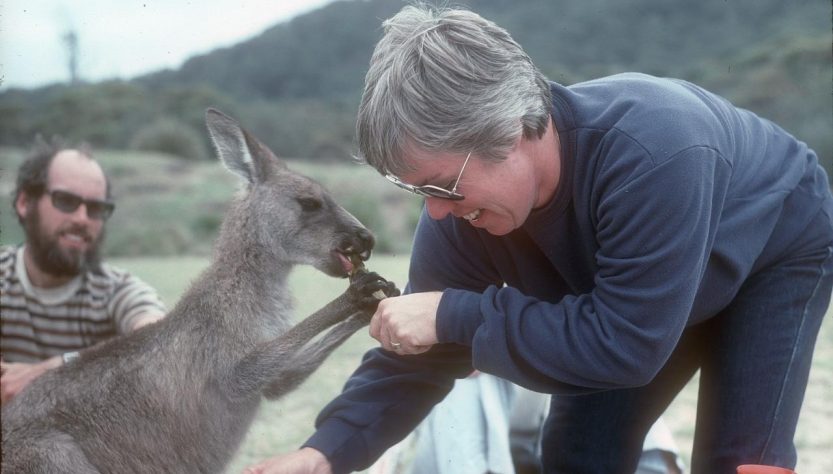
Australia’s winter coast is the kind of nature trip that works best when the plan is clear but not crowded. This guide focuses on scenic timing, simple logistics, and the choices that make trails, viewpoints, water, and quiet landscapes easier to enjoy.
Start With the Landscape
Cooler months can make coastal walking more comfortable, especially where wildlife viewing and wide beaches are the main reason to travel. Before adding extra stops, check how long it takes to reach the main viewpoint or trailhead and what the light is like in the morning or late afternoon.
Keep the Route Comfortable
Choose a base that reduces backtracking. Nature trips often look short on the map but feel slower once weather, parking, road conditions, and meal stops are included. A simpler route usually gives you better time outside.
- Plan the most important outdoor stop for the clearest part of the day.
- Carry water, sun protection, and one extra layer even on easy routes.
- Leave a flexible block for weather changes or a slower scenic stop.
- Pick lodging that makes sunrise or sunset access practical.
Final Takeaway
A strong Australia’s winter coast plan should protect time outdoors. Build around weather, distance, rest, and one or two landscapes you genuinely want to remember.