
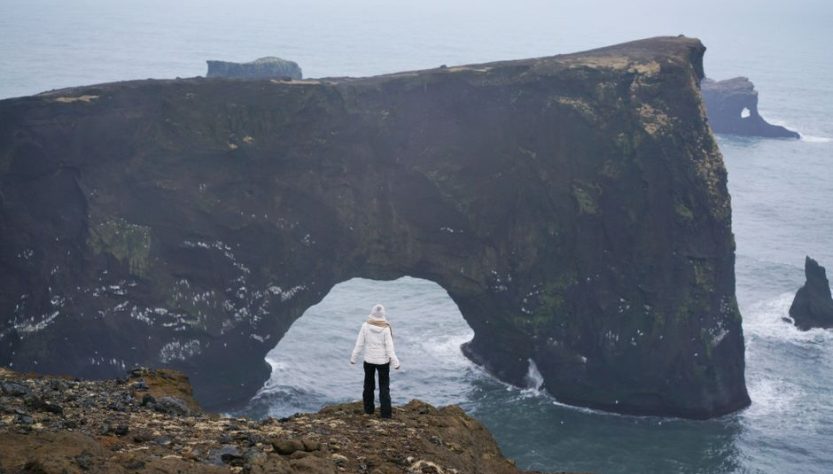
Over 2 million people visited Iceland last year. Most of them never left the Golden Circle. They spent 3 days shuffling between Geysir and Gullfoss, then flew home thinking they’d seen the country. They saw maybe 5% of it.
The Ring Road (Route 1) circles the entire island. It’s 1,332 kilometers of volcanic plains, glacial lagoons, and fjords that look like they belong in a fantasy novel. You can drive it in 7 days if you’re smart about it. You can also waste half your trip sitting in a rental car wondering why every waterfall looks the same after the third one.
This is the itinerary I’d give a friend who has one week and doesn’t want to blow it.
Day-by-Day Breakdown: Where to Actually Stop
Here’s the full route. You’ll drive counterclockwise, which puts the most dramatic scenery in the second half of the trip. This matters because the South Coast gets slammed with tour buses by 10am. If you hit it on day 2, you’ll share Seljalandsfoss with 400 people. If you hit it on day 6, you’ll have it nearly to yourself.
| Day | Route | Drive Time | Key Stops | Sleep In |
|---|---|---|---|---|
| 1 | Keflavik → Reykjavik | 45 min | Blue Lagoon or Sky Lagoon, Hallgrimskirkja | Reykjavik |
| 2 | Reykjavik → Vik | 2.5 hrs | Seljalandsfoss, Skogafoss, Reynisfjara black sand beach | Vik |
| 3 | Vik → Hofn | 3.5 hrs | Fjadrargljufur canyon, Skaftafell glacier, Jokulsarlon lagoon | Hofn |
| 4 | Hofn → Egilsstadir | 3 hrs | East fjords, Djupivogur, Seydisfjordur detour | Egilsstadir |
| 5 | Egilsstadir → Akureyri | 3.5 hrs | Dettifoss, Myvatn geothermal area, Godafoss | Akureyri |
| 6 | Akureyri → Snaefellsnes | 4 hrs | Kirkjufell, Arnarstapi cliffs, Budir black church | Grundarfjordur |
| 7 | Snaefellsnes → Keflavik | 2.5 hrs | Berserkjahraun lava field, Hraunfossar, Reykjavik lunch | Fly home |
Total driving: about 20 hours over 7 days. That’s under 3 hours per day on average. If you’re doing more than that, you planned wrong.
What to Book Before You Land
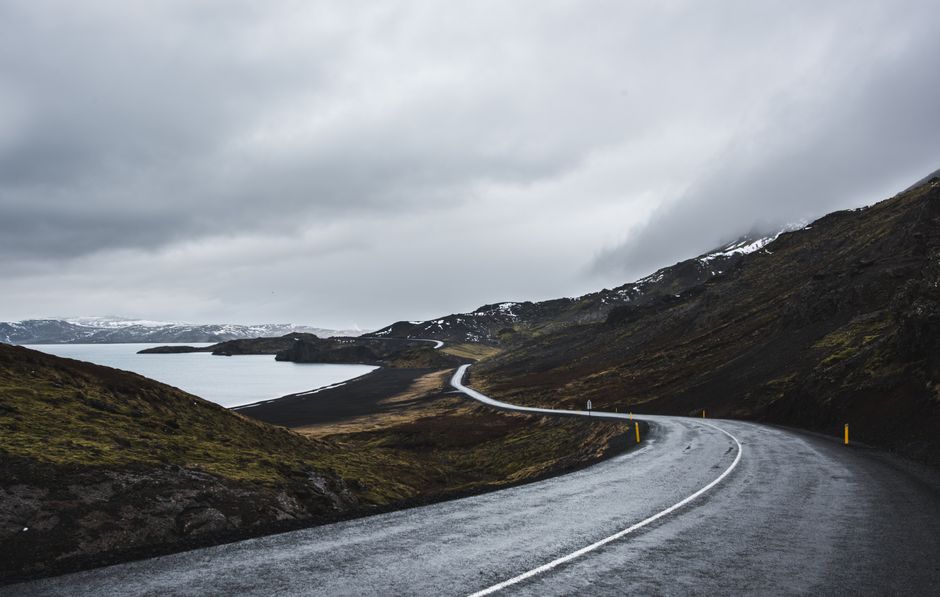
Iceland is not a wing-it destination. The good guesthouses in Vik and Hofn sell out months ahead, especially June through August. If you show up in August with no reservations, you’ll be sleeping in your car at a gas station in Egilsstadir. That’s not an exaggeration.
Rental car: get the full insurance
Book with Blue Car Rental or Lotus Car Rental. Both are local companies with better reviews than the international chains. A 2WD compact works fine for the Ring Road in summer. In winter, you need a 4WD. The gravel roads on the east side will chip your windshield. The sand and ash near Vik will scratch your paint. Get the full insurance package. It costs about $15-20 extra per day and saves you a $1,500 bill.
Lodging: book these three towns early
Vik, Hofn, and Akureyri have limited inventory. Book these first. In Vik, the Icelandair Hotel Vik is the most comfortable option at around $250/night. In Hofn, the Hofn Inn is basic but clean at $180/night. In Akureyri, the Akureyri Backpackers hostel has private rooms for $140/night if you book early.
Skip the Blue Lagoon, do Sky Lagoon instead
The Blue Lagoon is a tourist factory. It’s $90 for entry, you need a reservation weeks ahead, and it’s packed with people taking selfies. The Sky Lagoon in Reykjavik is half the price at $45, has an infinity edge overlooking the ocean, and you can walk in without a reservation most days. If you want the Blue Lagoon experience, go at 8am on your departure day when it’s less crowded. But honestly, Sky Lagoon is better.
The Three Mistakes That Ruin Ring Road Trips
Most people make the same three mistakes. I made all three on my first trip. Here’s how to avoid them.
Mistake 1: Trying to see everything
There are 200+ named waterfalls in Iceland. You cannot see them all. You will not enjoy waterfall #47 as much as waterfall #3. Pick 5 waterfalls total for the whole trip. My picks: Seljalandsfoss (walk behind it), Skogafoss (climb the stairs to the top), Dettifoss (most powerful in Europe), Godafoss (the “waterfall of the gods”), and Kirkjufellsfoss (the one from Game of Thrones). That’s enough. Move on.
Mistake 2: Underestimating the weather
Icelandic weather changes every 20 minutes. You’ll get sun, rain, wind, and hail in the same afternoon. The wind is the real problem. It regularly hits 50-70 km/h on the south coast. Car doors get ripped off their hinges every summer. Park facing into the wind. Hold your door with both hands. Check the Vedur app (the Icelandic Met Office app) every morning before driving. If it says “yellow warning,” stay put for a few hours. The road will still be there.
Mistake 3: Not budgeting for food
Food in Iceland is expensive. A basic burger and fries at a gas station costs $25. A sit-down dinner for two is $120+. If you’re not prepared for this, you’ll be miserable by day 4. The fix: shop at Bonus supermarkets (the pink pig logo) in Reykjavik before you leave. Stock up on skyr yogurt, bread, cheese, salami, and instant noodles. Most guesthouses have shared kitchens. Cook your own breakfast and lunch, then splurge on one nice dinner in Hofn (the langoustine at Pakkhus is worth the $45).
What to Pack: The Non-Negotiables
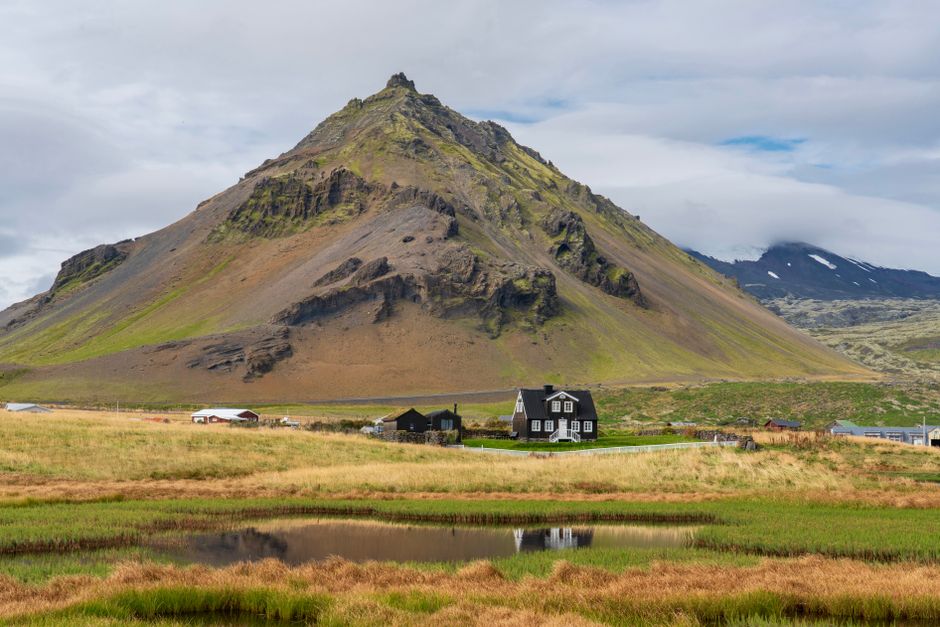
You don’t need much. But you need the right things.
- Waterproof shell jacket and pants. Not water-resistant. Waterproof. The rain comes sideways. A Patagonia Torrentshell 3L ($179) or REI Co-op Rainier ($99) works. Cheap ponchos from Amazon will shred in the wind.
- Layers. Merino wool base layers from Smartwool or Icebreaker. Bring 2 sets. You’ll wear them every day.
- Waterproof hiking boots. Keen Targhee III ($165) or Merrell Moab 3 ($120). You’ll walk through mud, glacier silt, and ankle-deep puddles.
- A power bank. Anker PowerCore 20000 ($50). Your phone will die from constant GPS use and photo taking. The car charger alone won’t keep up.
- Eye mask. In summer, the sun barely sets. You’ll try to sleep at midnight in broad daylight. A Manta Sleep Mask ($35) is worth every penny.
Skip the umbrella. It will invert in the wind within 30 seconds. Skip the jeans. They stay wet for days. Skip the fancy camera if you have a good phone. The iPhone 15 Pro or Google Pixel 8 Pro shoots better video than most entry-level DSLRs, and you won’t have to carry a heavy bag.
When to Go: The Season Decision
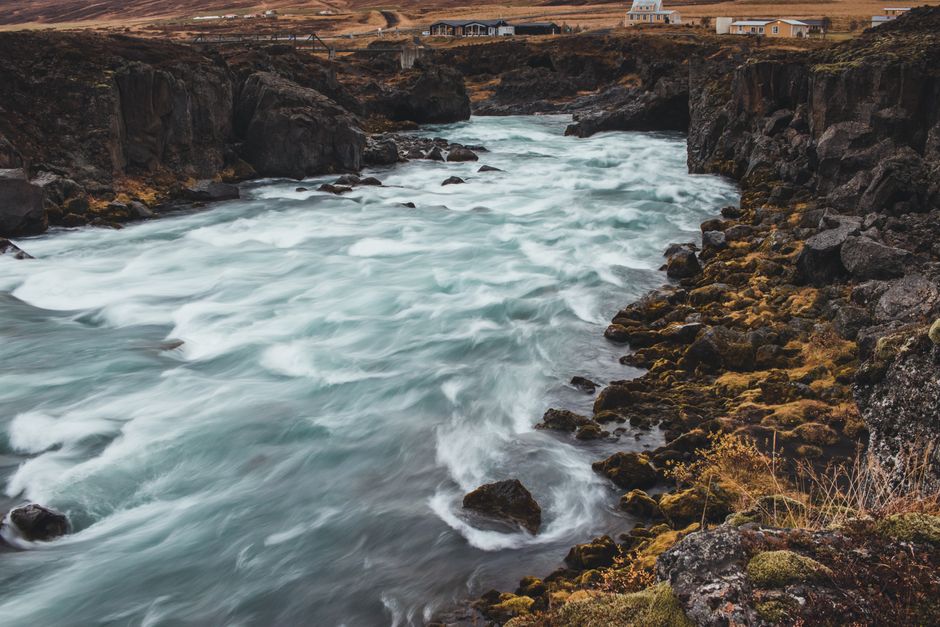
June through August is the obvious choice. Midnight sun, all roads open, temperatures around 10-15°C. But you’ll pay 30% more for everything and share every viewpoint with tour buses.
September is the sweet spot. The crowds thin out, prices drop, and you get the first northern lights of the season. The weather is still manageable. The downside: some highland roads close, but the Ring Road itself stays open year-round.
November through March is for experienced winter drivers only. The roads ice over, the wind hits 100 km/h, and daylight lasts 4 hours. You’ll see the northern lights and ice caves, but you’ll also white-knuckle every mountain pass. If this is your first trip, don’t do it in winter. I don’t care how many Instagram reels you’ve seen of glowing ice caves. Those people didn’t show you the 3-hour drive through a blizzard to get there.
For most first-timers: go in early September. You get 14 hours of daylight, northern lights potential, and hotel prices that don’t require a second mortgage.
The Ring Road is not a checklist. It’s a 1,332-kilometer argument for slowing down. You’ll remember the fjord you pulled over at with no one around, not the waterfall you fought 300 tourists to photograph. Plan less than you think you need to. Leave room for the road to surprise you.