
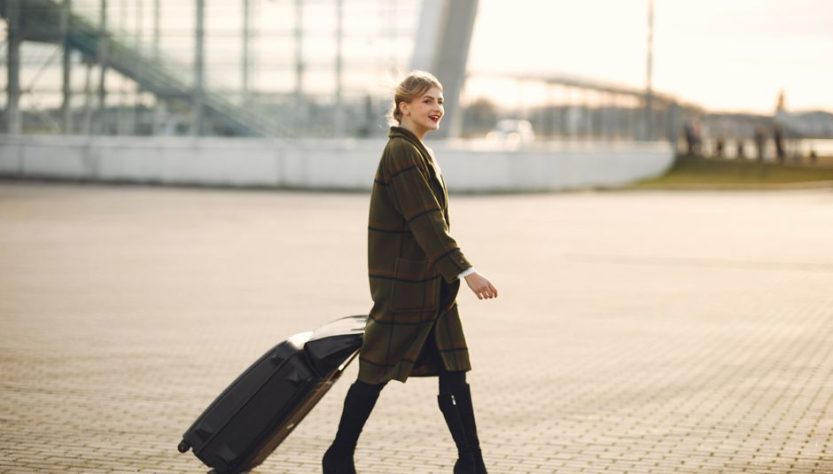
Most advice about solo travel anxiety is useless because it treats the fear as a mindset problem. It is not. It is a logistics problem. When you do not know how to get from the airport to your hotel, or how to order food, or what happens if your phone dies, your brain correctly identifies that you are vulnerable. Japan fixed this for me because the country runs on systems that remove ambiguity. The anxiety does not disappear. It just loses its fuel.
I landed at Narita with a knot in my stomach and a SIM card that would not activate. That first hour was rough. But the following three weeks rewired how I think about traveling alone. Here is the breakdown of what actually reduced the fear, not the motivational poster version.
The Pre-Trip System That Kills 80% of the Fear
People think they are afraid of being alone. They are actually afraid of being alone and confused. Confusion is the real enemy. So I built a pre-trip system around eliminating confusion before it could happen.
First, I booked the first two nights in a hotel near Shinjuku Station. Not a hostel. Not a capsule hotel. A proper business hotel with a front desk that operates 24 hours. The JR Kyushu Hotel Blossom Shinjuku cost about ¥14,000 per night. That is roughly $95. The reason this matters: after a 12-hour flight, you do not want to navigate a self-check-in kiosk in Japanese. You want a human being who hands you a key card. That single decision removed more anxiety than any breathing exercise.
Second, I bought a Pocket WiFi device from Japan Wireless before leaving. This is not an affiliate recommendation. It is just the tool that saved me multiple times. The device was waiting at the airport post office. Unlimited data, about ¥6,000 for two weeks. Your phone is your navigation, your translator, your backup plan. If it does not work, you are a ghost. The Pocket WiFi meant I never had to worry about roaming charges or dead zones in subway stations.
Third, I loaded a Suica card onto my iPhone before boarding the plane. Apple Wallet supports it natively. You tap your phone at every train gate and convenience store. No ticket machines. No fumbling with coins. The first time you tap through a crowded Tokyo station without stopping, you feel like you have hacked the country.
Here is the pre-trip checklist I now use for any solo destination:
- Book the first 48 hours of accommodation with a 24-hour front desk
- Arrange airport-to-hotel transport in advance (I used the Narita Express reserved seat)
- Download offline maps for the entire city in Google Maps
- Save the address of your hotel in Japanese characters to show taxi drivers
- Set up a mobile payment method that works in the country
What I Would Tell a First-Timer About Eating Alone
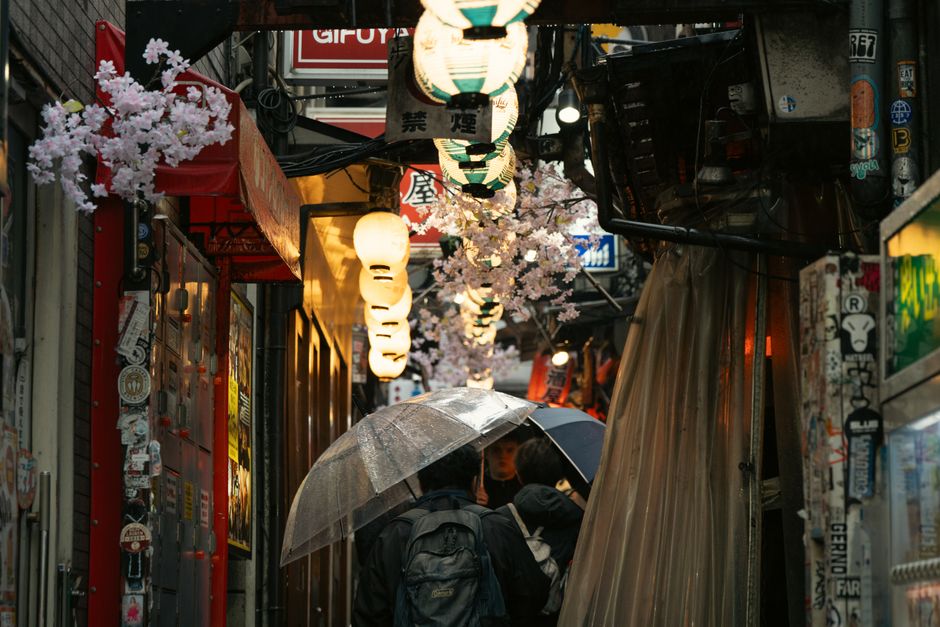
Eating alone in Japan is not a social statement. It is the default. The country has engineered an entire dining culture around solo customers. Once you understand this, the anxiety around meals evaporates.
The Ichiran Ramen chain is the obvious starting point. Individual booths with partitions. You order via a vending machine ticket, sit down, fill out a paper form for noodle firmness and broth richness, and press a button. A person’s hands slide your bowl through a small window. You never speak to anyone. It costs about ¥1,200 for a bowl. It is not the best ramen in Japan. It is the best first ramen for someone who is terrified of social interaction.
But here is what nobody tells you: the real solo dining hack is department store basements. The depachika floors at places like Isetan Shinjuku or Daimaru Tokyo sell hundreds of prepared foods. You can buy a bento box, some yakitori skewers, and a dessert for under ¥2,000. Take it back to your hotel room. No restaurant. No ordering. No pressure. I did this three times in my first week.
Convenience stores are the final safety net. 7-Eleven Japan and Lawson sell onigiri, sandwiches, and hot food that is genuinely good. The egg salad sandwich from 7-Eleven costs ¥250 and is better than most airport food in the US. When my anxiety spiked and I could not face a restaurant, I knew I could always eat well for less than $5.
The Comparison Nobody Makes: Structured vs. Unstructured Days
After two weeks, I noticed a pattern. My anxiety was lowest on days with a clear plan and highest on days I left open. This is the opposite of what travel influencers tell you. They romanticize wandering. Wandering with no purpose is a luxury for people who do not have anxiety.
| Day Type | Anxiety Level | What I Did | Result |
|---|---|---|---|
| Structured | Low | Booked a 9am ticket to teamLab Planets, followed by a specific lunch spot in Odaiba | No decision fatigue, no standing on a street corner staring at my phone |
| Unstructured | High | Woke up with no plan in Kyoto, wandered toward Gion | Spent 40 minutes walking in circles, felt overwhelmed, went back to hotel |
| Hybrid | Medium | One booked activity in the morning, free afternoon with a list of three optional spots | Best balance, but required the morning anchor to work |
The fix is simple: book one non-negotiable activity every morning. A museum ticket. A train to a specific neighborhood. A food tour. That single anchor gives the day a spine. Everything after it is optional. On the days I skipped the anchor, I felt the anxiety creep back within hours.
When You Should NOT Force Yourself to Socialize
There is a toxic piece of advice in solo travel circles: “Put yourself out there. Talk to strangers. You will regret it if you don’t.” That advice is wrong for people with genuine anxiety. It turns every interaction into a test you can fail.
I did not stay in hostels. I did not go to bars alone. I did not join group tours. And I do not regret any of it. My trip was not about becoming an extrovert. It was about proving I could function independently in a foreign country. That is a different goal.
The one exception: I booked a small-group food tour in Osaka through a company called Magical Trip. Six people total. The guide led the conversation. I could participate or just listen. No pressure to perform. It cost about ¥8,000 for three hours. That was the right level of social exposure for me.
If you are an introvert, do not let anyone convince you that solo travel requires socializing. It does not. The country of Japan is perfectly happy to let you exist in silence. Lean into that.
The Failure Mode Nobody Warns You About
Here is the part that almost broke me: decision fatigue. By day five, I was exhausted not from walking but from making constant small choices. Which train line? Which exit? Which restaurant? Which temple? Every decision required mental energy, and my anxiety was already consuming most of it.
The failure mode looks like this: you wake up, open Google Maps, and feel a wave of dread because there are 40 things you could do and you cannot choose. You scroll Instagram. You waste two hours. You feel guilty. The guilt feeds the anxiety. It becomes a loop.
My fix was embarrassingly simple. I made a rule: the first option is the one I take. If I opened a list of five coffee shops near my hotel, I went to the first one. No comparing reviews. No “but what if the second one is better.” The first option. Done. This single rule cut my decision time by 80% and broke the loop entirely.
The second failure mode is overpacking your itinerary. I originally planned four cities in 14 days. I cut it to three: Tokyo, Kyoto, Osaka. Even that felt rushed. The anxiety of missing a train or a check-in time is real. Give yourself buffer days. I spent one entire day doing nothing but sitting in a park in Kyoto and reading. It was the best day of the trip.
The Verdict: What I Would Do Differently
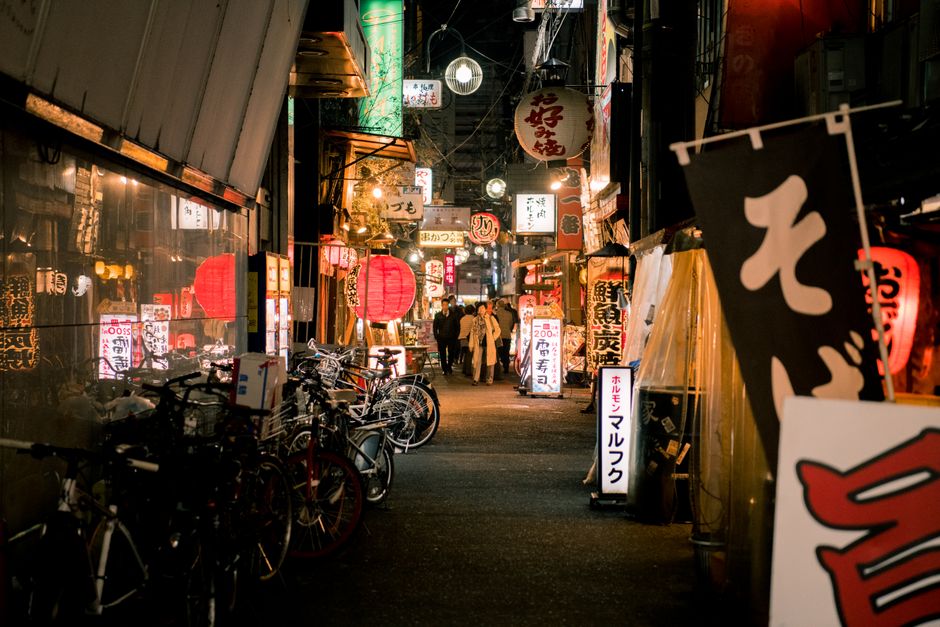
Japan did not cure my anxiety. It gave me a controlled environment where the anxiety could not spiral. The country’s infrastructure, safety, and cultural norms around solo behavior meant that my fears never had a chance to become reality. The train was never late. The food was never bad. Nobody ever made me feel unwelcome. That predictability is the antidote.
If I could go back and tell myself one thing at Narita Airport, it would be this: the fear you feel is not a signal that you are doing something wrong. It is a signal that you are doing something new. The only way to prove to your brain that you are safe is to complete the small tasks. Buy the train ticket. Find the hotel. Order the food. Each completed task is evidence. Accumulate enough evidence and the fear loses its grip.
I still get anxious before solo trips. But now I know the anxiety is temporary and the capability is permanent. That is the real souvenir.