
Belfast recorded over 400 conflict-related deaths in 1972 alone. Today, more than 2 million tourists visit the city annually. That reversal is not incidental — it is the entire story. Belfast’s political history, industrial heritage, and fast-changing food scene are inseparable from each other, and the city rewards visitors who engage with all three rather than treating it as a convenient base for coastal day trips.
This guide covers three full days with real admission prices, specific opening hours, and honest assessments of what earns your time and what doesn’t.
Day 1 — Titanic Quarter in the Morning, Cathedral Quarter by Night
Arrive at Titanic Belfast when the doors open at 9am. Adult admission is £21.50; children pay £11. A combined ticket with the SS Nomadic costs £25 and saves you queuing separately later. The museum sits on Queen’s Island, built directly on the slipways where the RMS Titanic was constructed between 1909 and 1911.
Block out 2.5 to 3 hours. Nine galleries cover the ship’s design, construction, and sinking, along with the aftermath and the wreck’s discovery in 1985. The underwater section — a darkened ride through CGI footage of the wreck site — lasts four minutes and is genuinely affecting. Most visitors rate it the highlight of the museum, which is a significant claim given the quality of everything surrounding it.
Titanic Belfast won Best Tourist Attraction in the World at the 2016 World Travel Awards. That sounds like a marketing claim. It isn’t. This is the most professionally designed and emotionally coherent visitor attraction in Ireland, north or south. The admission price is justified.
SS Nomadic: Add It or Skip It?
The SS Nomadic is moored directly beside Titanic Belfast. It was the White Star Line’s tender ship, used to ferry first- and second-class passengers from Cherbourg to the Titanic on April 10, 1912. Standalone entry is £7; included in the £25 combined ticket. The ship is fully restored — decks, passenger areas, and below-deck cargo holds are all accessible.
Most visitors skip it because they’re Titanic-saturated after three hours in the main museum. If you have the combined ticket, go anyway. It takes 45 minutes. The scale of the actual Nomadic — much smaller than you’d expect — recalibrates what you just absorbed in the museum and makes the broader story land harder.
Cathedral Quarter: Afternoon and Evening
Take the Glider rapid transit bus or a taxi from Titanic Quarter back to the city centre (£2.10 by Glider, £6-8 by taxi). The Cathedral Quarter clusters around St Anne’s Cathedral on Donegall Street and is Belfast’s most concentrated area for independent bars, restaurants, and live music venues.
The Crown Liquor Saloon on Great Victoria Street — technically closer to the Europa Hotel than the Cathedral Quarter proper — is mandatory. A Victorian gin palace owned by the National Trust since 1978, it has carved wooden snugs, ornate tilework, and gas lighting unchanged since the 1880s. A pint of Guinness costs £5.50-6. The experience is real, not performed for tourists. Locals drink here on weeknights.
For dinner, The Muddlers Club on Warehouse Lane is the strongest Cathedral Quarter pick. Mains run £22-28; a tasting menu is around £55. The cooking is inventive without being theatrical, and the wine list punches above the price point. Book 2-3 days ahead minimum, more on weekends.
Day 2 — Black Taxi Tours Are Non-Negotiable. Here’s Why.
Skip the hop-on hop-off City Sightseeing Belfast bus (£15/day) for Day 2. It stops at the Falls Road murals, plays recorded commentary, and gives you three minutes to photograph them before moving on. That’s not engagement with the subject — that’s a drive-by.
Book a Black Taxi Tour instead. Shared tours run £30-35 per person for 90 minutes. A private vehicle for 2-3 people costs £100-120. Your driver will be from either the Republican or Loyalist community — and that matters. The commentary is not neutral, and that is precisely the point. You are hearing how the Troubles felt from inside one of the communities that lived through it, not from a heritage centre script.
Falls Road and Shankill Road: What You’re Actually Seeing
The tour covers both Falls Road (Republican/Nationalist, predominantly Catholic) and Shankill Road (Loyalist/Unionist, predominantly Protestant). The two areas are separated by the Peace Wall — a series of steel and concrete barriers erected from the 1970s onward that were not dismantled after the 1998 Good Friday Agreement. Several sections remain standing today.
Visitors can write on the Peace Wall. Many do. The contrast between the two mural traditions is stark. Falls Road murals tend toward international solidarity — Palestinian flags, anti-apartheid imagery, references to Bobby Sands. Shankill murals are explicitly loyalist, with British military iconography and references to the Ulster Volunteer Force. Your driver will explain the context for both without requiring you to pick a side.
Tours typically finish around noon.
Crumlin Road Gaol — Afternoon
Crumlin Road Gaol is a 10-minute taxi ride from the Falls Road area. Adult admission is £13.50. Guided tours run every 30 minutes and last 90 minutes. The prison operated from 1846 to 1996 — 150 years of continuous use — and held both IRA and UVF prisoners simultaneously during the Troubles, which created security and logistical problems the guides describe in granular and occasionally darkly funny detail.
The tunnel connecting the courthouse to the cells is the centrepiece. The execution chamber, last used in 1961, is preserved. This is not comfortable history. It shouldn’t be.
End Day 2 at the Great Room Bar inside the Merchant Hotel on Waring Street. The building dates from 1860; the bar’s Victorian ceiling is listed. Cocktails run £12-15. You’re paying for the room as much as the drink. Worth doing once.
Day 3 — South Belfast, Free Attractions, and St. George’s Market
Day 3 belongs to South Belfast, which most three-day itineraries compress into a rushed half-afternoon. Here’s a sequenced plan that works:
- St. George’s Market (8am–3pm, Friday–Sunday only, free entry) — Belfast’s Victorian covered market, built 1890-1896, runs 250+ stalls on weekend mornings. Saturday is the largest day. Arrive before 9:30am for the best selection — local cheese from Abernethy Butter, fresh fish landed at Kilkeel harbour, artisan bread, and four to five street food vendors operating simultaneously. Live music starts around 9am most Saturdays. By noon, the best produce is gone and the queues are 20+ minutes.
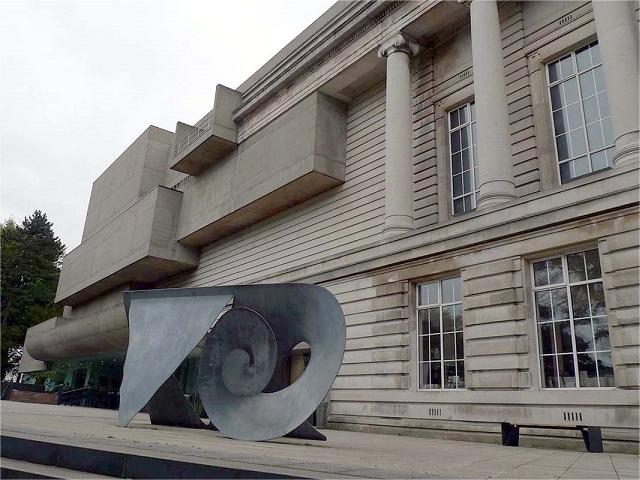
- Ulster Museum (10am–5pm, closed Monday, free) — Located inside the Botanic Gardens, this is genuinely one of the strongest free museums in Ireland. The Egyptian mummy collection — including Takabuti, in Belfast since 1835 — the Troubles gallery, and the Irish art permanent collection are each individually worth the visit. Budget 90 minutes minimum.
- Botanic Gardens (free, open daily) — Directly adjacent to the Ulster Museum. The Palm House, a curved Victorian glasshouse from 1840, and the restored Tropical Ravine from 1887 are both impressive. Add 30 minutes here after the museum.
- Cave Hill Country Park (free, always open) — A 30-40 minute walk or £8-10 taxi from the university area. The basalt cliff formation at the summit — Napoleon’s Nose, at 368 metres — is said to have inspired Jonathan Swift’s Gulliver’s Travels when he looked out over Belfast Lough. The walk from the car park at Belfast Castle takes 45-60 minutes. The panoramic view at the top is the best in the city. The castle grounds are free; the interior is not worth the admission.
Where to Eat in Belfast
Ox Restaurant on Oxford Street is the answer if you’re spending money on one serious meal. Michelin-starred, tasting menus from £75, book 2-3 weeks ahead on weekends. Everything else in Belfast’s food scene is measured against it.
For the remaining meals: Established Coffee on Howard Street for the city’s best specialty coffee and breakfast; Sawers Deli on College Street for artisan Irish cheese and charcuterie worth building a lunch around; Made in Belfast on Wellington Street for reliable Modern Irish cooking at £15-22 per main; the John Hewitt Bar on Donegall Street in the Cathedral Quarter for pub food and live traditional music most evenings. St. George’s Market on a Saturday morning, if you arrive early, handles breakfast and lunch entirely on its own.
Getting Around Belfast: Transport Costs Compared
Belfast’s city centre is walkable. The Titanic Quarter, Cave Hill, and the Falls/Shankill areas each require specific transport decisions. Here’s what each option costs and when it’s the right call:
| Transport | Cost | Best For | Skip If |
|---|---|---|---|
| Walking | Free | Cathedral Quarter, City Hall, Crown Liquor Saloon, St. George’s Market | Titanic Quarter (20+ min from centre), Cave Hill |
| Glider (rapid transit) | £2.10 single | Titanic Quarter to city centre — runs every 7-10 minutes | Falls/Shankill — a Black Taxi Tour provides essential context |
| Translink Metro Bus | £2.10 single / £4.50 day pass | South Belfast: Botanic Gardens, Queen’s University area | Anything requiring more than one connection — too slow |
| Black Taxi Tour | £30-35/person shared; £100-120 private | Falls Road and Shankill Road murals — not replaceable | Standard sightseeing; overpriced for non-political routes |
| City Sightseeing Hop-On Bus | £15/day adult | First-morning orientation only, if genuinely disoriented | Any site requiring more than 3 minutes at the stop |
| Local Taxi (Value Cabs) | £6-12 most journeys | Crumlin Road Gaol, Cave Hill, airport transfers | Central journeys under 15 minutes walking — not worth the wait |
| Rental Car (Enterprise, Europcar) | From £35/day at Belfast International | Dark Hedges day trip (60km north), Giant’s Causeway (90km north) | In-city travel — central parking runs £15-25/day |
A rental car makes no sense for the city itself. But if you want to add a day trip to the Dark Hedges — the Game of Thrones filming location — or drive the Causeway Coastal Route to Giant’s Causeway, renting from Enterprise or Europcar at Belfast International Airport is straightforward. Compact cars run £35-50/day with insurance. The Causeway Coastal Route via the A2, with proper stops, takes 8-9 hours. That’s a full day, not a half-day addition to an existing itinerary.
Three Mistakes First-Time Belfast Visitors Make
Treating Belfast as a Shorter Version of Dublin
Belfast is not Dublin with cheaper accommodation. The city’s identity — shaped by industrial Presbyterianism, the 1921 partition of Ireland, and 30-plus years of armed conflict that ended a generation ago — is genuinely distinct. Visitors who arrive with Dublin-calibrated expectations consistently underestimate the political history sites and overrate the nightlife by comparison.
The Black Taxi Tours, Crumlin Road Gaol, and Falls/Shankill murals are not optional colour on a standard city break. They are the point. If those aren’t on your list, you are doing surface tourism in a city where the depth is the reason to visit.
Showing Up to St. George’s Market at Noon on Saturday
Saturday market hours are 9am to 3pm. By 12pm, the best produce is sold, the Abernethy Butter is gone, the Kilkeel fish stalls are half-empty, and the most popular street food vendors have queues stretching 20+ minutes. The market does not restock during trading hours. It runs exactly like a farmers’ market — the early arrival gets the quality product. Arrive at 9am, or accept a significantly diminished version of what the market actually offers.
Adding Giant’s Causeway to a Three-Day City Itinerary
The Causeway Coastal Route is one of the most dramatic coastal drives in Europe. It deserves a full day — not three hours sandwiched between a morning museum visit and a dinner reservation. The route from Belfast to the Causeway and back includes Carrickfergus Castle (12th century, £6 adult), Carrick-a-Rede Rope Bridge (£9.50 adult, National Trust — book ahead, it sells out), Dunluce Castle ruins, and the Giant’s Causeway itself (free entry to the site, £13 parking, National Trust membership covers both).
Done properly, with actual stops rather than drive-bys, that’s 8-9 hours of driving and walking. If the Causeway Coastal Route is a priority, build a fourth day into the trip or restructure the itinerary around it. Compressing it into the end of Day 3 means doing neither the city nor the coast any justice.