
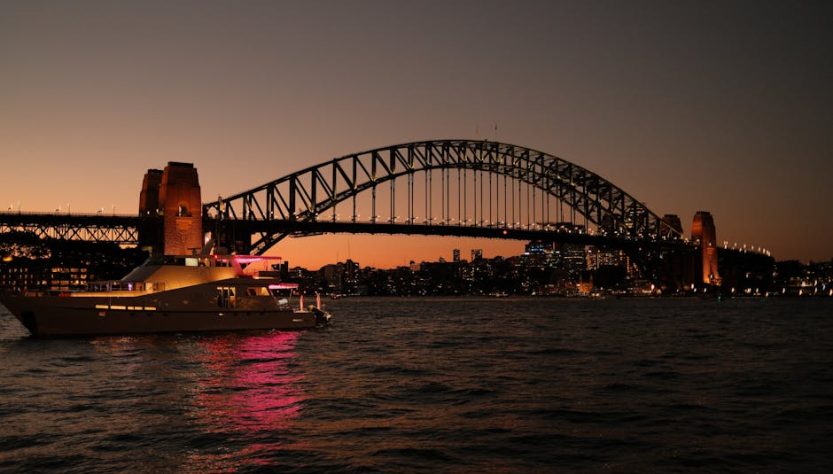
Where you stay in Sydney shapes the entire trip — more than in most cities. The harbour geography means a 20-minute difference in location can translate into a completely different daily rhythm, transport bill, and neighbourhood experience. Get the zone wrong and even an expensive hotel feels like it’s working against you.
Real prices, specific hotels, and honest trade-offs across every tier follow below.
Sydney Hotel Zones: Price, Access, and Character at a Glance
Sydney’s accommodation clusters into five distinct zones. Before any hotel name matters, the zone decision matters more. Each area has a different ceiling, a different vibe, and serves a different type of trip.
| Zone | Best For | Avg Nightly Rate (AUD, 2026) | Transport | Character |
|---|---|---|---|---|
| Circular Quay / The Rocks | First-time visitors, luxury stays | $450–$1,200+ | Excellent — ferry, train, bus hub | Iconic views, tourist-facing |
| CBD / Town Hall | Business travel, short stays | $200–$500 | Excellent — multiple train lines | Dense, commercial, highly convenient |
| Darling Harbour / Barangaroo | Families, convention visitors | $280–$650 | Good — light rail, walkable to CBD | Waterfront, casino-adjacent, planned |
| Surry Hills / Darlinghurst | Repeat visitors, food and nightlife | $160–$320 | Moderate — bus-dependent | Cafes, bars, genuine local character |
| Manly / Northern Beaches | Beach-focused travellers | $150–$380 | Ferry only to CBD (35 min each way) | Relaxed, coastal, removed from city |
The table doesn’t capture one important dynamic: Circular Quay hotels charge for proximity, not necessarily for better rooms. The Park Hyatt Sydney at $900–$1,100 AUD per night in peak season commands that rate primarily because its north-facing rooms look directly at both the Opera House and Harbour Bridge simultaneously. The Four Seasons Hotel Sydney, three minutes’ walk uphill from the water, often runs $150–$200 cheaper per night for rooms that are — room for room — finished to a similar standard.
Why Zone Outranks Star Rating
A four-star hotel in Surry Hills can deliver a better stay than a four-star hotel at Circular Quay. Surry Hills puts you within walking distance of Sydney’s best independent restaurants — Longrain on Commonwealth Street, Nomad on Foster Street, the Bourke Street Bakery at breakfast — without tour groups outside your lobby and without paying the waterfront premium. Star ratings measure the room. They don’t measure the street you open the door onto.
The Transport Variable Nobody Budgets For
If you’re spending more than three nights in Sydney, staying near a train station (Town Hall, Central, or Wynyard) saves more than most travellers account for. A five-night trip relying on rideshares between Manly and the CBD can add $120–$180 AUD to the total. An Opal card ferry from Manly to Circular Quay costs around $6.20 each way in 2026. Factor that into the zone comparison before a beachside hotel becomes the obvious call.
The Luxury Tier: What Sydney’s Top Hotels Actually Deliver
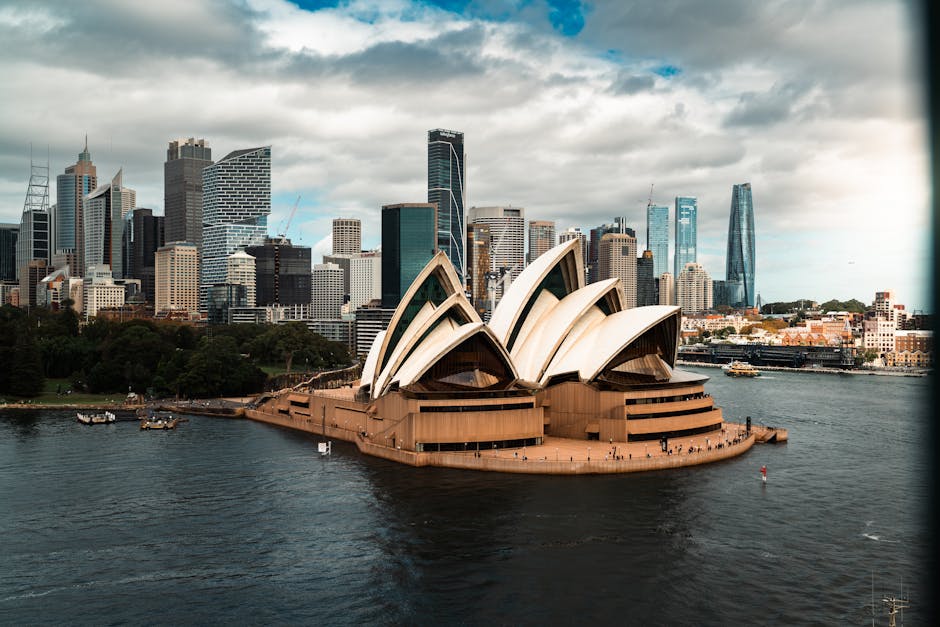
Sydney has genuinely world-class hotels. Not many. Here’s what the top tier delivers and where the differences between properties are meaningful versus cosmetic.
Park Hyatt Sydney — The Benchmark
The strongest case for paying the premium. The Park Hyatt sits at the edge of Campbells Cove in The Rocks, and its harbour-facing rooms offer a sightline that no other Sydney hotel can match: Opera House on the left, Harbour Bridge directly ahead. The property runs 155 rooms, which keeps the service-to-guest ratio high. This isn’t a 600-room corporate tower where you’re a booking number. Standard harbour-view rooms start around $900 AUD per night and climb beyond $1,100 in peak summer and during Vivid Sydney (May–June). The rooftop pool is worth using at 7am before it fills. Worth it for a milestone trip or a once-off Sydney stay where the view is the experience. Not worth it if you’re in back-to-back meetings and the room is just somewhere to sleep.
The Langham Sydney — Best Value at the Top End
The Langham sits in The Rocks, a 10-minute walk from Circular Quay, and comes in meaningfully cheaper than the Park Hyatt at roughly $450–$650 AUD per night depending on season. The rooms are large by Sydney standards — the city punishes mid-range travellers with small rooms, which makes the Langham’s proportions feel genuinely luxurious. The spa is one of the best hotel spas in Sydney. No direct harbour view from most rooms, but the building is quiet, the lobby doesn’t feel like a departure terminal, and the overall execution is consistent. Strong pick for travellers who want genuine luxury without the top-of-market rate.
Crown Sydney (Barangaroo) — Best Western Harbour View
Crown Sydney opened in 2026 on the Barangaroo waterfront. Rates start around $700 AUD and peak well beyond $1,500 in high season. The architecture is the tallest structure in the city. Hotel floors sit above levels that include a casino, which some travellers find uncomfortable as context — worth knowing before booking. The rooms are exceptional: floor-to-ceiling glass, considered finishes, and western harbour views looking back at the Bridge from the opposite shore. No other Sydney hotel offers that specific vantage point. One honest note: Barangaroo as a neighbourhood is corporate and planned. It lacks the organic energy of Surry Hills or Newtown. Crown works best as a destination in itself rather than a base for neighbourhood wandering.
Kimpton Margot Sydney — The Interesting Luxury Option
The Kimpton Margot occupies a beautifully restored 1930s heritage building in the CBD near Town Hall. Rates typically sit in the $380–$550 AUD range, making it the luxury tier’s value argument. Rooms are boutique-sized — this is not where you go for square footage — but the design is genuinely considered, not just heritage shell with new carpet. The ground-floor bar is actually good, which matters more than most hotel marketing admits. For business travellers or return visitors who’ve already done the harbour hotel experience, the Kimpton is the most interesting option at this price point. The minibar is included in the rate, which recalibrates the daily cost in useful ways.
The Mid-Range Verdict
QT Sydney on Market Street is the pick. Rates run $260–$380 AUD per night. It occupies a converted 1920s retail arcade and the design is theatrical without being exhausting to live in. GOWINGS Bar and Grill downstairs is worth eating at even if you’re not staying there. Nothing in the CBD at this price point competes on character. Second choice: Ovolo Woolloomooloo at $220–$340 AUD per night — converted finger wharf, harbour outlook, and breakfast included, which changes the daily budget math on a multi-night stay by $40–$60 per person per day.
Matching Your Hotel to the Trip You’re Actually Taking
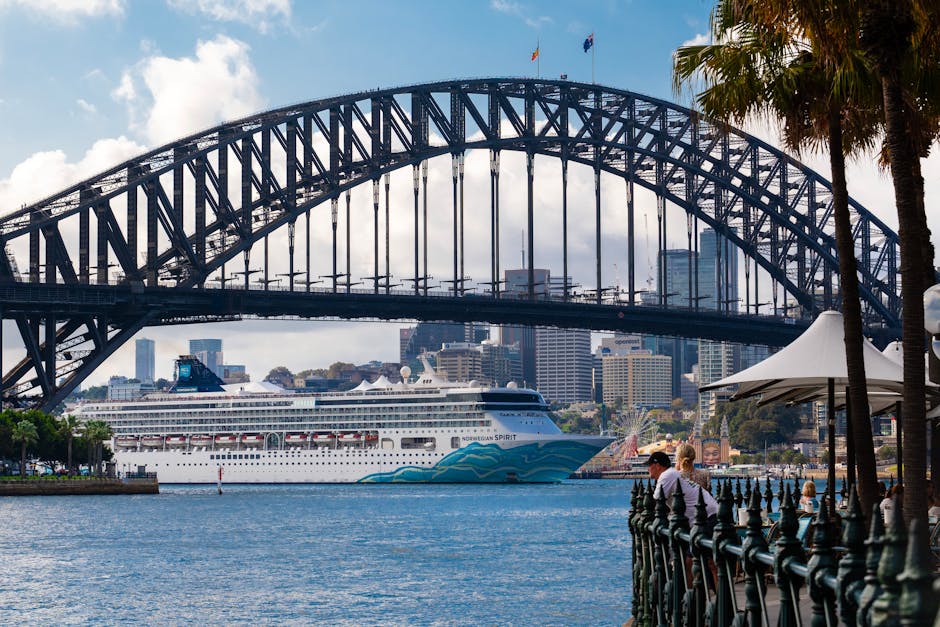
The majority of Sydney hotel booking mistakes come from picking a zone based on what looks good in photos rather than what the trip actually requires. Here’s the direct match:
- First visit, 3–5 nights: Stay within 15 minutes of Circular Quay. You want ferry access, the Opera House within walking distance, and the Harbour Bridge walk to be spontaneous. The Langham and Four Seasons Sydney (from $480 AUD) are the strongest mid-to-luxury picks. Budget option: Sydney Harbour YHA ($70–$110 AUD per night) in The Rocks puts you in the same geography for a fraction of the cost and has harbour views from its rooftop terrace.
- Return visit, food and nightlife focus: Surry Hills or Darlinghurst. The Collectionist Hotel ($170–$260 AUD) on Oxford Street is boutique without being precious. Neighbourhood restaurants within walking distance include Porteno, Tequila Mockingbird, and Fabbrica.
- Beach-focused, summer trip: Base in Manly. The Manly Pacific ($220–$380 AUD) sits directly on the beach — front-facing rooms look out over the Pacific Ocean. The 35-minute Manly Ferry to Circular Quay is an experience in itself, not an inconvenience.
- Business travel, short turnaround: Town Hall or Wynyard area. Walking distance to most CBD offices. The Hilton Sydney ($280–$420 AUD) is the reliable corporate pick with meeting facilities. The Amora Hotel Jamison runs slightly cheaper and delivers larger rooms for the rate.
- Families: Darling Harbour. The Sofitel Sydney Darling Harbour ($350–$550 AUD) has the room size, water views, and proximity to Wild Life Sydney Zoo, SEA LIFE Aquarium, and IMAX without the Circular Quay premium. Suites here are genuinely family-sized.
The Manly vs. City Question
This is the most common dilemma for first-time Sydney visitors. The straightforward answer: if your trip is five days or more, split it. Three nights in the city, two in Manly. If you’re only staying three nights total, stay in the city and take the ferry to Manly as a day trip. Committing fully to Manly on a short trip means spending a lot of energy commuting to the things that make Sydney worth visiting.
The Zone to Avoid
Kings Cross and Potts Point hotels frequently appear in search results at attractive price points. The neighbourhood has gentrified significantly over the past decade, but the hotel stock there is largely aging and hasn’t been updated to match the area’s shift. Unless you’re looking at a specific boutique property like the Larmont Sydney ($190–$280 AUD, which is competently run), skip this zone in favour of Darlinghurst immediately to the south — same transport access, better food options, better hotel inventory.
Five Sydney Hotel Booking Mistakes That Cost Real Money
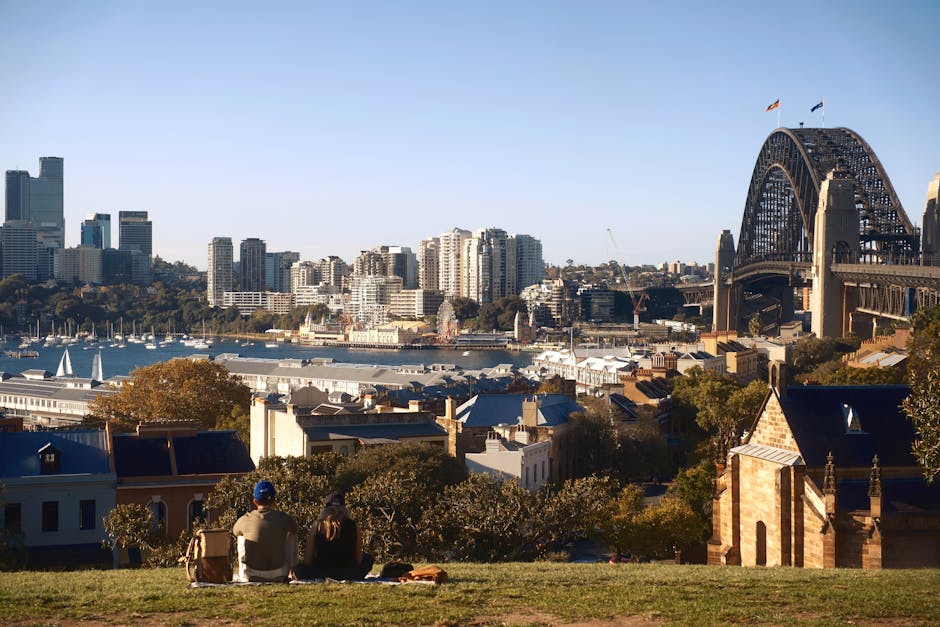
Paying for Views You Won’t Actually See
If you’re arriving after 9pm and leaving before 8am each day, a harbour-view room is an expensive lamp. A city-view room at the Four Seasons Sydney saves $150–$250 per night compared to the harbour-facing rooms. On a five-night trip, that’s a meaningful dining budget recovered. Be honest about how many waking hours you’ll spend looking at the view before paying for it.
Missing the Parking Charge
CBD hotels charge $50–$80 AUD per night for parking, and this rarely appears prominently in the advertised rate. On a 10-night trip, that’s $500–$800 in parking alone. For most Sydney visits, arriving without a car is the smarter move — the Opal card public transport system covers the main attractions, and the ferry network is legitimately enjoyable to use. If you need a car for day trips to the Blue Mountains or Hunter Valley, hire one for those specific days rather than parking it unused in a CBD garage.
Booking During Peak Season Without Noticing
Sydney peaks hard in January (summer school holidays), during Vivid Sydney (late May to mid-June), and around New Year’s Eve. During these windows, rates for mid-range hotels can double or more. Vivid is particularly aggressive — hotels near the CBD charge event-week premiums even though the festival is free to attend. March to April and September to October are the value windows: genuinely pleasant weather, no school holiday surge, and rack rates closer to base price. A QT Sydney room that costs $380 in January often runs $240 in October.
Assuming Boutique Means Compromised on Space
The 1888 Hotel in Pyrmont disproves this assumption. It’s an Instagram-friendly brick warehouse conversion with rooms that are properly sized and rates around $180–$260 AUD per night. It’s a 10-minute walk to Darling Harbour. Some boutique Sydney hotels have better room-to-rate ratios than the large chains because they’re not cross-subsidising a convention centre, three underperforming restaurants, and a basement fitness centre that nobody uses.
Not Checking What the Rate Actually Includes
Ovolo hotels bundle breakfast and the minibar into the nightly rate. Kimpton includes the minibar. The Park Hyatt does not include breakfast — it costs around $60 AUD per person on top of the room rate. On a two-person, five-night stay, the difference between a hotel that includes breakfast and one that charges separately for it can be $300–$600 AUD. That’s enough to materially change which hotel is actually cheaper on total spend. Always check the inclusions before the rate comparison finalises.
Sydney’s hotel supply has expanded meaningfully in recent years — Crown, the Capella Sydney, and several apartment-hotel conversions have all opened or grown recently. The result for travellers is a genuinely competitive luxury tier for the first time, and mid-range pricing is starting to respond to that pressure too. The properties that are still establishing their market position often have the most room to negotiate on rate, particularly for mid-week and shoulder-season stays.