
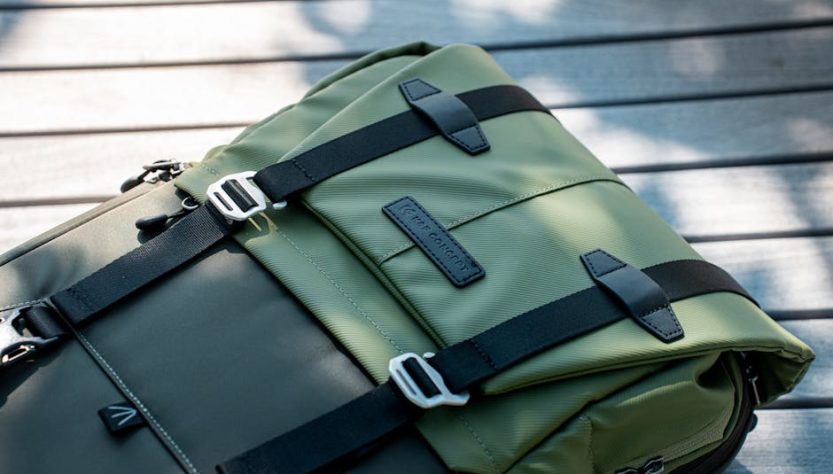
Choosing the right travel photography backpack is more than just picking a bag; it’s about safeguarding your expensive gear while maintaining comfort and accessibility on the move. A well-selected pack can truly enhance your travel experience, making the difference between a smooth photo expedition and a frustrating one.
Understanding Your Travel Style: A Critical First Step
Before committing to any specific backpack, a rigorous self-assessment of your typical travel photography approach is non-negotiable. Different expeditions demand vastly different levels of protection, access, and carrying capacity. A pack designed for a day’s urban exploration will likely fail miserably on a multi-week trek through rugged terrain, and vice versa. Overlooking this foundational step often leads to buyer’s remorse, as the backpack either proves too cumbersome, too small, or insufficiently robust for your actual needs. Consider the environment, the duration, and the specific gear you intend to carry, as these factors collectively dictate the optimal pack architecture.
Day Trips vs. Multi-Day Expeditions: Capacity & Access Needs
For single-day excursions, especially those focused on capturing specific scenes within a city or a short hike, a smaller, more agile pack makes sense. These often prioritize quick side access for a camera body with an attached lens and perhaps one or two additional primes. Capacity might range from 15 to 25 liters, primarily accommodating a mirrorless or DSLR kit, a water bottle, and a few personal items. In contrast, multi-day or multi-week expeditions, whether they involve backpacking through remote landscapes or hopping between international airports, demand significantly more. These packs typically range from 30 to 60 liters, requiring space not only for a more extensive camera kit (multiple bodies, lenses, drone, tripod) but also for clothing, toiletries, and potentially camping gear. Rear panel access becomes more critical here for security and organized packing, allowing full visibility of your entire gear layout.
Urban Exploration vs. Wilderness Treks: Durability & Weatherproofing
The urban jungle presents its own set of challenges, often involving crowded streets, public transport, and occasional light rain. Here, discretion and security are paramount. Look for packs with clean lines, minimal external straps, and perhaps anti-theft features like lockable zippers or hidden pockets. Materials like coated nylon or synthetic leathers offer good abrasion resistance and a degree of water repellency. For wilderness treks, however, the demands escalate dramatically. The pack must withstand harsher elements: heavy rain, dust, mud, and abrasive rocks. Ripstop fabrics like 420D to 600D nylon with strong DWR (Durable Water Repellent) coatings are essential, often paired with an integrated rain cover. Frame structures that transfer weight efficiently to the hips become crucial for comfort over long distances, and external attachment points for ice axes or sleeping pads are vital. Think of brands like F-stop or Shimoda, which specifically cater to these rugged environments.
Air Travel Considerations: Carry-On vs. Checked Luggage
Flying introduces strict dimension and weight limitations, making carry-on compatibility a primary concern for most photographers. Entrusting expensive camera gear to checked luggage is a calculated risk many are unwilling to take. Most major airlines allow carry-on bags up to roughly 22 x 14 x 9 inches (56 x 36 x 23 cm) and often a personal item in addition. This means carefully selecting a pack, typically in the 30-45 liter range, that can be condensed or manipulated to fit these constraints. Packs with removable camera cubes or modular systems like those from Peak Design or WANDRD offer flexibility, allowing you to remove the camera insert and use the main bag for clothes, thus optimizing space. Also, consider the weight of the empty pack itself; some heavy-duty packs can eat into your carry-on allowance before you even add gear. Always check the specific airline’s current restrictions, as they vary and can change.
Essential Features Every Photography Backpack Needs
Navigating the market for travel photography backpacks means sifting through a myriad of features, some genuinely useful, others mere marketing fluff. Distilling these down to the non-negotiables is crucial for making an informed decision that truly supports your photographic endeavors. Focusing on core functionality ensures your investment pays off in terms of protection, comfort, and efficient workflow.
- Dedicated Camera Compartment with Customizable Dividers: This is the absolute cornerstone. The compartment must be well-padded on all sides – bottom, top, and periphery. Crucially, the internal dividers should be thick, robust, and highly configurable. Velcro-attached dividers allow you to perfectly cradle your specific camera bodies, lenses, and accessories, preventing them from shifting or colliding during transit. Look for systems that offer a variety of sizes and shapes, including longer dividers for telephoto lenses and smaller ones for flashes or batteries. A poor divider system can lead to damaged gear, regardless of the bag’s exterior toughness.
- Ergonomic Harness System: A photography backpack, especially when loaded with heavy gear, can quickly become a burden if it lacks proper ergonomics. This includes a padded, adjustable shoulder harness that can be tailored to your torso length, a sturdy sternum strap to distribute weight and prevent sway, and, most importantly, a robust, padded hip belt. The hip belt should transfer a significant portion of the pack’s weight (ideally 70-80%) from your shoulders to your hips, making long treks manageable. Airflow channels on the back panel are also vital to minimize sweat and discomfort, particularly in warmer climates.
- Weather Resistance & Security Features: Your gear is expensive; it deserves robust protection from the elements. Look for bags made from highly water-resistant fabrics (e.g., 500D or 1000D Cordura nylon with PU coatings). Seam-sealed zippers and an included, integrated rain cover are critical for heavy downpours. Beyond weather, security is paramount, especially in crowded travel environments. Features like lockable zippers (often using D-rings or loops for small TSA locks), hidden pockets for passports and wallets, and rear-panel access (where the main gear compartment opens against your back) significantly reduce the risk of theft.
- External Attachment Points for Tripods & Water Bottles: Few photographers travel without a tripod. A good travel pack will offer secure, balanced external attachment points, typically on the side or front, to carry your tripod without unbalancing the bag or obstructing access. Compression straps help keep it snug. Similarly, a water bottle pocket, ideally on both sides and easily accessible while wearing the pack, is a small but critical feature for hydration on the go.
- Laptop/Tablet Sleeve: Most modern photographers travel with a laptop or tablet for editing and backup. A dedicated, padded sleeve, often positioned against the back panel for better protection, is essential. Ensure it accommodates your specific device size, typically up to a 16-inch laptop. Easy access to this sleeve is a bonus for airport security checks.
- Thoughtful Organization Pockets: While the camera compartment is critical, external and internal pockets for smaller items are equally important. Think about slots for memory cards, spare batteries, lens caps, filters, a phone, and travel documents. These should be strategically placed for easy access without exposing your main gear compartment. Some packs offer removable accessory pouches, which can be incredibly useful.
Common Mistakes Photographers Make When Buying Backpacks
A significant number of photographers inadvertently compromise their comfort and gear safety by making predictable yet avoidable errors when selecting a travel backpack. Many chase trends or focus solely on a single attribute, neglecting the holistic requirements of a truly functional and protective system. This often leads to unnecessary fatigue, damaged equipment, or the need to replace a poorly chosen pack far sooner than anticipated. A methodical approach, prioritizing long-term usability over immediate appeal, is always the superior strategy.
Prioritizing Style Over Functionality: The Aesthetic Trap
It’s tempting to opt for a backpack that looks “cool” or aligns perfectly with a specific aesthetic, especially with so many stylish options on the market from brands like Peak Design or WANDRD. While aesthetics certainly play a role in personal satisfaction, they should never overshadow fundamental functionality. A sleek, minimalist exterior might hide a poorly padded interior, an uncomfortable harness system, or inadequate weather protection. The most stylish bag is useless if it causes back pain after an hour or fails to protect your expensive lenses from a sudden downpour. Always scrutinize the interior, the harness, and the materials before admiring the exterior. Comfort and protection are the unsung heroes of successful travel photography.
Underestimating Capacity Needs: The “Just One More Lens” Dilemma
A common pitfall is purchasing a backpack that barely accommodates your current gear, failing to account for potential future acquisitions or the “just in case” items that inevitably come with travel. Photographers often find themselves regretting a smaller purchase when they later add a drone, an extra prime lens, or realize they need space for a jacket or snacks. While it’s crucial not to overpack and choose an unnecessarily massive bag, erring slightly on the side of more capacity (perhaps 5-10 liters beyond your initial estimate) can save you from having to buy a second bag later. Look for packs with expandable sections or modular inserts that allow for flexible capacity adjustments. For example, a 45L pack that can compress to 35L offers more versatility than a fixed 30L bag.
Neglecting Fit and Ergonomics: Your Back Will Thank You Later
Perhaps the most critical, yet often overlooked, aspect, is how the backpack fits your body. Many photographers buy online without trying a pack fully loaded. A backpack isn’t a one-size-fits-all garment. Factors like torso length, shoulder width, and hip size significantly impact comfort. A poorly fitting harness system will place undue strain on your shoulders and lower back, leading to fatigue and potential injury, especially during long days of walking or hiking. Always check if the pack offers adjustable torso length. If possible, try on a fully weighted pack in a store, walk around for a few minutes, and adjust all straps. If buying online, ensure the retailer has a generous return policy. Investing in a properly fitting pack is an investment in your physical well-being and photographic longevity.
Decoding Backpack Access: Rear, Side, or Top Loaders?

The method by which you access your camera gear is a fundamental design choice that profoundly impacts workflow efficiency and security. Each access strategy offers distinct advantages and trade-offs, making the “best” option highly dependent on your specific shooting style and travel environment. Understanding these differences allows for a more informed selection.
| Access Type | Primary Advantages | Primary Disadvantages | Ideal Use Case |
|---|---|---|---|
| Rear Panel Access |
|
|
Travel, wilderness, crowded urban environments where security is paramount. Good for meticulous packing. |
| Side Access |
|
|
Street photography, events, hiking where quick shots are common. Less gear-intensive days. |
| Top Loader / Roll Top |
|
|
Hybrid travel (photo + trekking/clothes), minimal camera kit, urban commuting, where flexibility is key. |
| Clamshell / Front Panel |
|
|
Air travel, organized packing for studio or location shoots, less about quick on-the-go access. |
Each access type plays a distinct role in how a photographer interacts with their gear. Rear panel access, exemplified by bags like the Shimoda Explore V2 or F-stop Tilopa, provides unparalleled security and a flat-lay view of your entire kit, making it ideal for carefully swapping lenses in a controlled environment. However, it mandates taking the pack off your back. Side access, common in many Peak Design or Lowepro models, excels at quick draws, allowing you to swing the bag around and grab your camera without fully removing it – perfect for fleeting moments in street or landscape photography. Top loaders, often seen in WANDRD or Everyday Backpacks, are fantastic for accommodating a blend of camera gear and personal items, with their expandability. Clamshell designs, like the Peak Design Travel Backpack, are excellent for travel organization, allowing you to pack like a suitcase. The ultimate decision rests on your personal priority: security, speed, or versatility.
Top Picks for the Serious Travel Photographer in 2026
Based on extensive research and user feedback, several standout travel photography backpacks consistently rise to the top for 2026. These models strike an admirable balance between protection, ergonomics, and thoughtful design, catering to a range of travel styles. My selections prioritize real-world utility and long-term durability, acknowledging that investing in such a crucial piece of gear demands careful consideration.
For the Urban Explorer & Versatile Traveler: Peak Design Travel Backpack 45L
The Peak Design Travel Backpack 45L stands out for its exceptional versatility and thoughtful organization, making it a prime choice for photographers navigating diverse urban environments and frequent air travel. Its strength lies in its modularity: it functions as a standard travel bag but seamlessly integrates Peak Design’s camera cubes (sold separately), allowing users to scale their camera carry up or down. The clamshell main opening offers superb access to the entire contents, akin to a suitcase, which is invaluable for packing and organizing clothes alongside gear. It also boasts impressive expandability, shrinking from 45L to 35L for carry-on conformity or expanding to 45L for maximum capacity when needed. Build quality is robust, utilizing 400D recycled nylon canvas with a DWR coating, providing good weather resistance. Key features include external carry straps, multiple external and internal pockets for smaller items, and a dedicated, padded laptop sleeve that can accommodate up to a 16-inch MacBook Pro. While its full price point can be a significant investment, its adaptability often negates the need for multiple specialized bags. For those who value quick access, the side zippers also provide a convenient grab-and-go option to a camera cube.
For the Wilderness Adventurer & Landscape Photographer: Shimoda Explore V2 35
When the destination is off the beaten path, requiring rugged durability and superior comfort for extended treks, the Shimoda Explore V2 35 is an uncompromising choice. Shimoda designs their packs specifically for adventure photographers, and the E-V2 35 exemplifies this philosophy. Its key feature is its rear-panel access to modular Core Units (camera inserts, sold separately), offering both security against theft and a full, unobstructed view of your gear when the pack is laid flat. The external materials, including a robust 420D ripstop nylon with a carbonite coating, are highly weather-resistant, built to endure harsh conditions. Comfort for long distances is a major priority, featuring an adjustable torso length harness system that genuinely customizes the fit to your body. The hip belt is substantial, effectively transferring weight and reducing shoulder strain. Numerous external attachment points and side pockets are designed for expedition essentials like tripods, ice axes, water bottles, and even sleeping pads. While the Core Units are an additional cost, they ensure precise protection. The pack’s dimensions (approx. 57 x 29 x 17 cm, depending on Core Unit) are generally carry-on friendly for many airlines, but always check specifics. This pack is a commitment for those whose photography takes them into demanding environments.
For the Dedicated Gear Hauler & Organized Professional: Lowepro ProTactic BP 450 AW II
The Lowepro ProTactic BP 450 AW II caters to photographers who carry a substantial amount of gear and demand robust protection and versatile access in various travel scenarios. Lowepro has a long-standing reputation for durable camera bags, and the ProTactic 450 AW II maintains this legacy. Its strength lies in its multiple access points: top, both sides, and a full rear panel opening. This multi-entry system provides unparalleled flexibility for quick draws or thorough gear organization. The interior is a dense maze of customizable dividers, offering exceptional padding and allowing for precise arrangement of multiple camera bodies, several lenses (including larger telephotos), a drone, and flashes. The exterior features Lowepro’s signature SlipLock™ webbing, allowing for extensive modular expansion with additional pouches and accessories. It includes a dedicated laptop sleeve (up to 15 inches) and a built-in All Weather AW Cover™ for superior protection against rain, snow, and dust. While it’s a heavier pack when empty (approx. 2.8kg), its robust construction and comprehensive protection justify the weight for professionals whose gear is their livelihood. Its dimensions (approx. 36 x 22 x 52 cm) make it a snug fit for carry-on, especially on tighter international flights, but it often qualifies.
Balancing Protection, Weight, and Cost: A Trade-Off Analysis
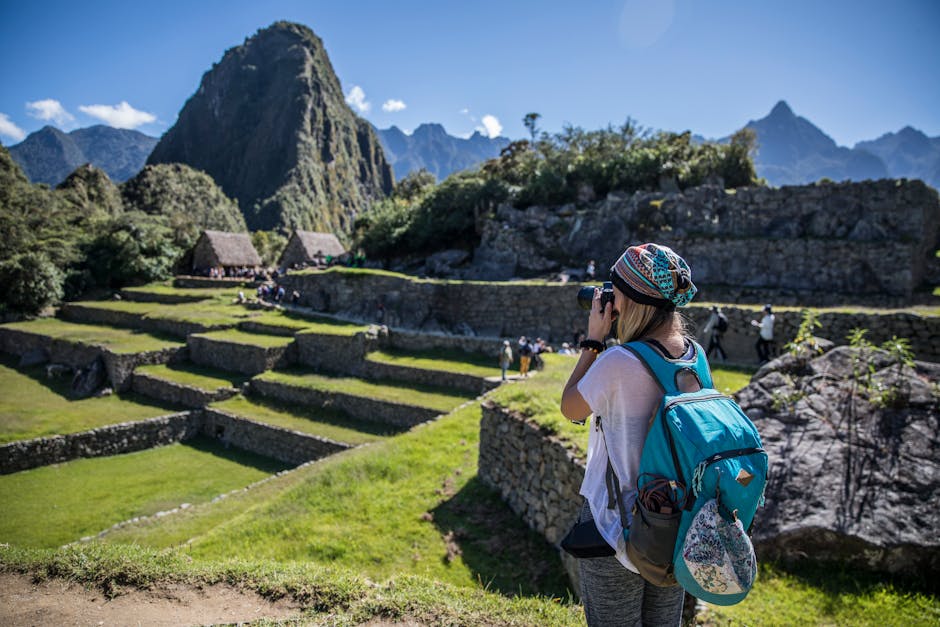
Making the final decision on a travel photography backpack invariably involves a delicate balancing act between competing priorities. Rarely does one find a pack that offers maximal protection, minimal weight, and an entry-level price point simultaneously. Understanding where to compromise and where to hold firm is crucial for long-term satisfaction and gear safety.
How Much Protection is Too Much?
Optimal protection for your camera gear means a robust shell, dense padding, and effective weather sealing. However, increasing these attributes often comes at the cost of added bulk and weight. A pack with rigid external panels, thick internal foam, and heavy-duty zippers will certainly safeguard your equipment from significant impacts and harsh elements. But for a light-and-fast urban shooter, this level of over-engineering might be unnecessary, leading to a cumbersome bag that feels like overkill. Consider your typical travel risks: Are you frequently in crowded areas where bumps are common? Will your bag be subjected to extreme weather? If your primary concern is preventing scratches from minor knocks during casual travel, a moderately padded bag with a reliable rain cover might suffice. If you’re carrying expensive cinema lenses into a remote, rocky landscape, then over-engineered protection becomes a necessity, not a luxury. Assess the actual threats your gear faces.
Is Lighter Always Better for Travel?
The allure of a lightweight backpack is undeniable, especially when dealing with airline weight restrictions and the prospect of carrying gear for hours. Lighter bags inherently reduce the overall burden. However, achieving extreme lightness often involves compromises in other areas: thinner fabrics, less padding, or a less substantial harness system. A bag that shaves off kilograms might do so by using less durable materials, offering minimal impact absorption, or providing an uncomfortable carry when fully loaded. For photographers prioritizing speed and agility, a lighter pack is beneficial, but only if it doesn’t sacrifice essential protection or ergonomic support. For those carrying heavy professional setups, a slightly heavier pack with a superior load-bearing system will always be more comfortable in the long run than a light pack with an inadequate harness. The “better” choice is the one that allows you to carry your specific gear comfortably and safely for your typical duration.
What’s a Reasonable Budget for a High-Quality Pack?
Investing in a quality travel photography backpack is akin to investing in an insurance policy for your gear. You’re paying for materials, design, research and development, and manufacturing quality that will protect tens of thousands of dollars worth of equipment. Expect to spend anywhere from $250 to $500 (USD) for a truly high-quality, durable, and ergonomic travel photography backpack in 2026. Bags in the $100-$200 range often cut corners on padding density, harness adjustability, or fabric durability, leading to premature wear or inadequate protection. While an initial saving might seem attractive, the cost of replacing a damaged lens due to a cheap bag vastly outweighs the price difference. Brands like Peak Design, Shimoda, F-stop, and Lowepro consistently produce bags in this premium price bracket for good reason: they deliver on performance, longevity, and peace of mind. Consider it a long-term investment in your craft and your comfort.
The Verdict: My Top Recommendation for 2026
For the vast majority of travel photographers seeking a versatile, highly protective, and genuinely comfortable backpack in 2026, the Peak Design Travel Backpack 45L remains an outstanding choice. Its modularity, robust build, and intelligent access options provide an adaptable solution for urban adventures, carry-on compliance, and sufficient capacity for serious gear, striking an impressive balance across all critical metrics.
- Peak Design Travel Backpack 45L: Best for urban explorers and versatile travelers seeking modularity, excellent organization, and adaptable carry-on compliance. Offers robust protection and multiple access points.
- Shimoda Explore V2 35: Ideal for wilderness adventurers and landscape photographers prioritizing extreme durability, superior comfort for long treks, and secure rear-panel access in harsh conditions.
- Lowepro ProTactic BP 450 AW II: Suited for dedicated gear haulers and organized professionals needing maximum gear capacity, multiple access points, and comprehensive protection for extensive kits.