
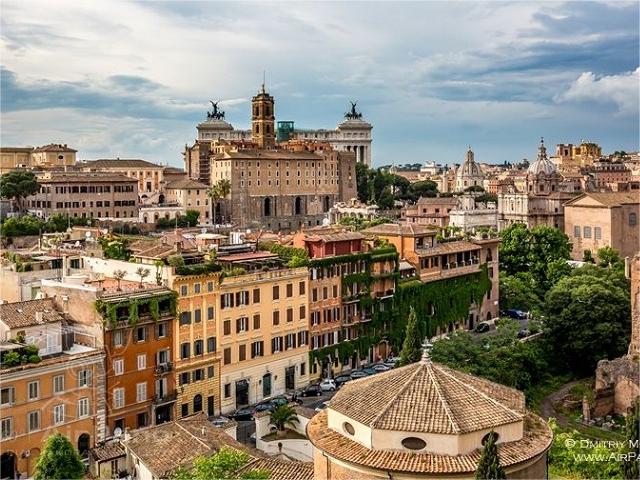
Most people believe Rome is an expensive destination. They come back reporting €180–200 per day and insist it cannot be done for less. It can. The tourist markup in Rome is one of the most predictable in Europe — it follows geography almost perfectly. Within 300 meters of the Colosseum, the Trevi Fountain, or St. Peter’s Square, prices double or triple. Move two streets back, and you are paying what locals pay.
A solo traveler can cover accommodation, food, transit, and major attractions in Rome for €60–80 per day. Two people traveling together can push that under €55 each. Here is the exact breakdown.
Prices are estimates based on 2026 costs and fluctuate by season. This is not financial advice — no one can guarantee what a Roman taxi driver will try to charge you.
What Rome Actually Costs Per Day
Most budget guides give ranges so wide they are useless. “€50–200 per day” tells you nothing. The table below breaks down real 2026 costs by spending tier across every major category.
| Expense Category | Budget (€/day) | Mid-Range (€/day) | High-End (€/day) |
|---|---|---|---|
| Accommodation | 18–35 (hostel dorm) | 80–130 (3-star hotel) | 200+ (boutique, central) |
| Food and drinks | 15–25 | 40–65 | 80–120 |
| Local transport | 3–7 | 3–7 | 15–30 (taxis, rideshare) |
| Attractions and entry fees | 0–12 | 20–35 | 50+ |
| Daily Total | €36–79 | €143–237 | €345+ |
Notice that transport barely changes across tiers. The same city bus costs €1.50 whether you are staying in a €25 hostel dorm or a €220 boutique hotel. The gap between budget and mid-range is driven almost entirely by accommodation and whether you let restaurants charge tourist prices for lunch.
Accommodation: Where the Money Leaks
Generator Rome, near Termini station, runs dorm beds at €22–38 depending on season and room size. The Yellow Hostel, also near Termini, starts at €20 for dorms and around €75 for private rooms. Both have bars, strong WiFi, and metro access within walking distance.
Private rooms under €80 are available in Ostiense and Pigneto — residential neighborhoods with direct tram or metro links to the center. Trastevere has better atmosphere but budget options there fill up 6–8 weeks out during spring and fall. Book early or pay more.
Transport: Skip the Taxi Every Time
A single metro or bus ride costs €1.50. A 24-hour unlimited pass costs €7. A 48-hour pass runs €12.50. Rome’s bus network covers the areas the two metro lines miss — the historic center has almost no metro stations by design. Download the Moovit app before you arrive; it handles real-time routing better than Google Maps in Rome’s city center.
Bottom Line: Budget Rome is fully achievable. The difference between spending €70/day and €220/day is almost entirely where you sleep and whether geography dictates your restaurant choices.
Booking Flights to Rome: Skip Fiumicino When You Can
Book Ryanair to Rome Ciampino (CIA), not Fiumicino (FCO). Ciampino sits 15km from central Rome and is served by direct buses to Termini for €6–7 each way. Fiumicino is 35km out, and the Leonardo Express train costs €14 each way. Two travelers, round trip: that is a €56 difference before you even leave the airport zone.
Ryanair and easyJet both connect Rome from most major European cities for €20–80 one-way. The booking window that consistently produces the lowest fares is 6–10 weeks out for shoulder season (March through May, October), and 10–14 weeks out for September. Booking within two weeks of travel typically costs 2–4x more. That is not a rough estimate — it is documented pricing behavior across low-cost European carriers.
From North America, the math changes. Round trips from New York JFK to Rome FCO on carriers like ITA Airways, Delta, or Norwegian typically run $600–950. The actual sweet spot: late January through early March. Post-Christmas, pre-spring break, cold but functional. Prices during this window regularly drop to $480–620 round trip, sometimes lower.
The Mistake: Flying Into a Cheaper Nearby City
Some travelers book to Naples or Bologna because the fare looks cheaper, then add a Flixbus or Trenitalia regional train to Rome. The math sometimes works — a €15 bus versus an €80 flight price difference can justify it. But it adds 3–4 hours each direction. Only run this calculation if you also plan to spend time in those cities. Otherwise, the time cost makes no sense.
Bottom Line: Europeans should target Ryanair to Ciampino with a 6–10 week booking window. North Americans should target January through early March and fly direct to Fiumicino.
A Three-Day Rome Itinerary That Costs Nothing in Entry Fees
A complete Roman itinerary can run €0 in museum admission. Most visitors do not realize how much the city offers for free. Here is a three-day structure built entirely around no-cost sights:
- Trevi Fountain — Free. Arrive at 7am before the tour groups. The fountain looks the same. The crowd does not.
- Pantheon exterior and piazza — Free. Interior entry costs €5 as of 2026 and is worth it once. The engineering alone — a 43-meter unreinforced concrete dome built in 125 AD — justifies the fee for first-time visitors.
- Campo de’ Fiori morning market — Free. Runs weekday mornings. A cornetto from a market stall costs €1.50. It is also the fastest way to understand how Romans shop.
- Trastevere neighborhood walk — Free. Best before 10am. The Basilica di Santa Maria in Trastevere has free entry and 12th-century gold mosaics that most paid museums would charge €12 to see.
- Borghese Gardens (Villa Borghese) — Free to walk through. The Borghese Gallery inside requires a €15 ticket and advance booking — budget that separately if you want Bernini’s sculptures. The gardens alone are worth an hour.
- Janiculum Hill (Gianicolo) — Free. The best panoramic view of Rome. Almost no tourists. Accessible on bus 23 or tram 8.
- Via Appia Antica — Free. The ancient Roman road with original cobblestones still in place. Rent a bike from Appia Antica Caffè (€4/hour) and ride past 2,000-year-old tomb structures that line the road for kilometers.
- First Sunday of the month — The Vatican Museums and the Colosseum both offer free entry. The Vatican slot must be reserved online in advance (free registration, fills up fast). Arrive 45 minutes before opening.
Most of what makes Rome worth the trip costs nothing. The architecture, the piazzas, the street food, the markets — free. The tourist industry has built an economy around making visitors feel like everything requires a guided tour. It does not.
Eating in Rome Without Paying Restaurant Prices
Tourist restaurants near major attractions run on one model: high foot traffic, no repeat customers, average food at double the real price. A plate of cacio e pepe near the Colosseum costs €14–18. The same dish, cooked better, costs €8–10 at a neighborhood trattoria ten minutes away. The quality often runs in reverse — the restaurant depending on tourist volume has less reason to care about the food.
The most reliable budget strategy in Rome is pizza al taglio — pizza sold by the slice, priced by weight. You point at what you want, they cut it, weigh it, and charge you. A satisfying portion runs €3–6. Panificio Bonci on Via Trionfale 36, near the Vatican, is run by Gabriele Bonci — widely considered the best pizza maker in Rome. Slices range from €4 to €7 depending on topping. The focaccia with mortadella is consistently good. It is a ten-minute walk from St. Peter’s Square and almost no tourists find it.
For supplì — Rome’s fried rice balls filled with tomato sauce and mozzarella — Supplì Roma on Via di San Francesco a Ripa in Trastevere charges €2.50 each. They are filling, cheap, and completely specific to Roman street food culture. Get two.
Mercato Testaccio: The Cheapest Lunch in Rome
Mercato Testaccio is the covered food market in the Testaccio neighborhood — a working-class area that has stayed relatively local because it sits outside the main tourist circuit. The market runs Monday through Saturday, mornings until around 2pm. A full lunch from market stalls — fried baccalà (salt cod), a supplì, fresh fruit, and a bottle of water — costs under €8. Several stalls sell prepared pasta dishes for €5–7.
Testaccio is also where you find traditional Roman dishes like trippa alla romana and coda alla vaccinara (oxtail stew) at family-run trattorias for €10–12 a plate. The same dishes in tourist zones near the Pantheon run €18–22.
The Bar Rule That Saves €3 Every Morning
Stand at the bar. Order a cornetto and a cappuccino. The cornetto costs €1–1.50. The cappuccino costs €1.50. Total: €2.50–3. Sit down at a table and the same order triggers a cover charge that pushes it to €6–9. This is not a trick — it is how Romans eat breakfast every day. Many bars also stock tramezzini (triangular sandwiches, €2–3) through the morning.
Bottom Line: Budget eating in Rome is not about sacrifice. The food at market stalls and pizza al taglio counters is better than most tourist restaurants and costs half the price. Skip anything with a menu posted in five languages outside the door.
Which Rome Attractions Justify the Entry Fee
Is the Colosseum worth €18?
Yes — but only if you book online through the official Parco Colosseo website before you arrive. The €18 standard ticket includes the Colosseum, the Roman Forum, and the Palatine Hill. That is effectively a half-day of sightseeing across three distinct ancient sites, which is solid value. Walk-up tickets carry the same price but require standing in a queue that regularly hits 90 minutes during spring and fall. The €24 Full Experience upgrade adds the underground chambers and the arena floor. Skip it unless you have a specific reason — the standard ticket covers everything most visitors actually want to see.
Are Vatican Museums worth booking in advance?
Book. The standard ticket costs €20 with a timed entry slot. The Sistine Chapel alone justifies it — the scale of Michelangelo’s ceiling is something photographs genuinely cannot convey. Walk-up lines during peak season run 3–4 hours, which is time you are not spending anywhere else in the city. Book online 2–3 weeks out, pay the €4 booking fee, and arrive 10 minutes before your slot. The first Sunday of the month is free — register online as soon as slots open, because they fill within hours of becoming available.
Is the Roma Pass worth the €52?
Only if you plan to visit multiple paid attractions. The 72-hour Roma Pass includes unlimited public transport plus free entry to your first two museums, then discounts on additional ones. A 3-day transit pass alone costs around €18. Add Borghese Gallery entry (€15) and one other paid museum (€10–15), and the Roma Pass breaks roughly even. For families or anyone visiting four or more paid attractions, it saves meaningful money. For someone doing mostly free sights with occasional paid entry, skip it.
The Cheapest Time to Visit Rome
January and February. Flights cost 30–45% less than shoulder season rates. Hotels drop sharply. The Colosseum line at 9am in January takes 10 minutes; in May it takes an hour. Average temperatures run 5–12°C — cold, but dry enough to walk all day without issue. If January feels too extreme, target the first two weeks of November: post-autumn-rush, before Christmas markets push prices back up, and temperatures still reach 14–17°C most days. July and August combine the highest prices with the worst crowds and 35°C heat. That combination is the worst possible value for the money spent getting there.