
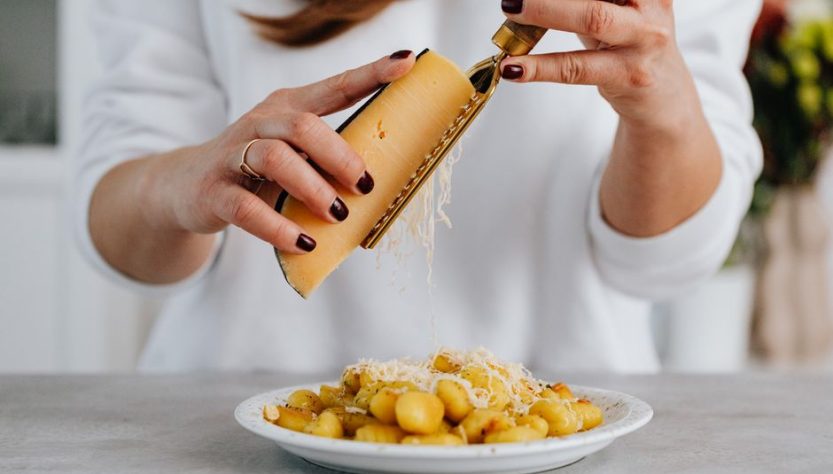
Parma produces 3.6 million wheels of Parmigiano Reggiano every year. Bologna’s food markets have operated since the Middle Ages. Yet most food travelers still cram into Florence and Rome, paying €28 for mediocre pasta while the real culinary engine of Italy sits 90 minutes north. This route fixes that.
You need a car. Trains connect the big cities fine, but the towns where actual food gets made—like Brisighella, Norcia, and Cingoli—require wheels. Book through Auto Europe or Rentalcars.com before you land. A Fiat 500 or Lancia Ypsilon costs roughly €35-45/day in Bologna. Manual transmission is cheaper. If you can’t drive stick, book automatic at least three weeks out because inventory vanishes in summer.
This is a 7-day loop. It starts in Bologna, cuts east through Romagna, dips into northern Le Marche, crosses the Apennines into Umbria, and returns via Modena. Total driving: about 700 km. That’s 8-9 hours behind the wheel across a week. Manageable, with a different food identity every single day.
The Route at a Glance: 7 Days, 4 Regions, Zero Tourist Menus
Here’s the full skeleton before we get into the meat of it. Print this. Screenshot it. Whatever works.
| Day | Route | Distance | Food Focus | Overnight |
|---|---|---|---|---|
| 1 | Bologna → Dozza → Faenza | 75 km | Mortadella, piadina, Sangiovese | Faenza |
| 2 | Faenza → Brisighella → Cesena | 65 km | Olive oil, formaggio di fossa, pasta all’uovo | Cesena |
| 3 | Cesena → Santarcangelo → Cingoli | 140 km | Vincisgrassi, ciauscolo, Verdicchio | Cingoli |
| 4 | Cingoli → Macerata → Ascoli Piceno | 110 km | Olive ascolane, porchetta, Rosso Piceno | Ascoli Piceno |
| 5 | Ascoli Piceno → Norcia | 95 km | Black truffle, lentils, cured meats | Norcia |
| 6 | Norcia → Spello → Modena | 290 km | Olive oil, balsamic vinegar, tortellini | Modena |
| 7 | Modena → Bologna Airport | 40 km | Final market run | — |
Day 6 is the long one. Break it up with lunch in Spello and a stop at a balsamic producer outside Modena. The A1 autostrada from Orte to Modena is fast but toll-heavy—budget €25 for that leg.
Day 1-2: Emilia-Romagna’s Hill Towns Where Parmigiano Actually Comes From
Bologna is the obvious starting point, but don’t linger. Pick up your car at the airport and drive 35 minutes to Dozza. This town has murals on every wall and a regional wine cellar—Enoteca Regionale Emilia-Romagna—inside the castle. You can taste Sangiovese di Romagna for €3-5 a glass. Buy a bottle of the 2026 Noelia Ricci Sangiovese Superiore (€14) for the road.
Faenza is your first overnight. It’s known for ceramics, not food, which is exactly why the restaurants here serve locals instead of tourists. Dinner at Trattoria Marianaza on Corso Garibaldi. Order the cappelletti al ragù (€12) and the grigliata mista (€18). The pasta is hand-rolled every morning by a woman named Loredana who has worked there since 1987.
Brisighella: The Olive Oil Town Nobody Visits
Brisighella sits 20 minutes from Faenza. Its olive oil—DOP Brisighella—has been pressed here since Roman times. The cooperative Cooperativa Agricola Brisighellese runs a tasting room on Via del Lavoro. A 500ml bottle of their single-estate oil costs €12-14. It’s peppery, green, and nothing like the flat supermarket stuff.
Also in Brisighella: formaggio di fossa. This cheese gets buried in limestone caves for three months in September, emerging funky and sharp. Buy a wedge at La Bottega di Brisighella (€18/kg). Eat it with honey from the same shop. This is the kind of food memory that makes the whole trip.
Day 3: The Le Marche Border and Italy’s Most Underrated Lasagna
Cross into Le Marche and the food shifts immediately. No more tortellini. Now it’s vincisgrassi, a lasagna that locals argue about with the same intensity other Italians reserve for soccer. It’s richer than standard lasagna—layered with ragù, béchamel, chicken livers, and sometimes truffle. One portion will end you.
The best version I found is at Osteria dei Cacciatori in Cingoli, a hilltop town called the “Balcony of Le Marche” for its views over the entire region. The vincisgrassi (€13) comes in a cast-iron dish and feeds two normal humans. Add a side of sautéed chicory and a glass of Verdicchio dei Castelli di Jesi from Fattoria Coroncino (€6). Total dinner for two: under €45.
Santarcangelo di Romagna, just before the Marche border, is worth a 90-minute stop. It’s the last Romagna town before the food identity changes. The piadina here—thin, griddled flatbread—gets filled with squacquerone cheese and arugula. Casa della Piada on Via Cesare Battisti makes one for €6. Eat it standing at the counter like a local.
Day 4-5: Ascoli Piceno, Norcia, and the Truth About Truffles
Ascoli Piceno is the fried food capital of central Italy. The signature dish is olive ascolane—large green olives stuffed with a meat mixture, breaded, and fried. They cost €8-10 for a plate of eight. The best ones come from Caffè Meletti in Piazza del Popolo, a 1907 café where you sit under chandeliers and drink anisetta (their signature anise liqueur, €4) while eating fried olives. This is the most beautiful piazza in Italy that most tourists have never heard of.
From Ascoli, drive 95 km southwest to Norcia. You climb into the Sibillini Mountains, and the air changes. This town is synonymous with pork—the word “norcino” means pork butcher in Italian. The 2016 earthquake damaged the town center, but the food producers rebuilt fast. Norcineria Brancaleone on Via Solferino is the place. Their ciauscolo (spreadable salami, €14/kg) and black truffle salami (€22/kg) are worth the drive alone.
When NOT to Buy Truffles
Here’s the thing about Norcia truffles: summer truffles (Tuber aestivum) are not the same as white Alba truffles. They’re cheaper—€15-25 per 100g—but they’re also milder and sometimes flavorless. If a shop in Norcia tries to sell you “truffle oil” for €20, walk away. Most of it is olive oil with synthetic truffle aroma. Buy the actual truffle or buy nothing. The fresh black truffle at Brancaleone, shaved over scrambled eggs at your agriturismo, is the real move.
Day 6-7: Modena, Balsamic, and the Final Verdict
Modena is the only “famous” food city on this route, and even it gets a fraction of Florence’s crowds. The balsamic vinegar here is not the $8 bottle from the grocery store. Traditional DOP balsamic ages 12-25 years in wooden barrels and costs €60-200 for 100ml. You taste it by the drop, not the spoonful.
Acetaia di Giorgio runs tours of their attic barrel room for €15 per person. You taste 12-year, 18-year, and 25-year balsamic side by side. The difference is staggering. Buy the 12-year (€45 for 100ml) if you want a souvenir that justifies its price. Skip the balsamic “condiment” sold in supermarkets—it’s wine vinegar with caramel coloring.
Modena is also the home of real tortellini in brodo. Osteria Francescana (three Michelin stars) is impossible to book, but Hosteria Giusti—a four-table salumeria from 1605—serves tortellini in capon broth for €16 at lunch. You’ll wait in line. It’s worth it.
What This Route Costs vs. Tuscany
Let’s do the math, because food travel advice without numbers is just vibes.
| Expense | This Route (7 days) | Tuscany Equivalent |
|---|---|---|
| Rental car (manual, 7 days) | €245-315 | €280-400 |
| Accommodation (agriturismo/B&B, double) | €70-100/night | €120-180/night |
| Dinner for two (trattoria) | €35-55 | €60-90 |
| Wine glass at a winery | €3-6 | €8-15 |
| Food souvenir budget | €80 (oil, cheese, salami, balsamic) | €120 (smaller quantities) |
| Total for two, excluding flights | €1,300-1,600 | €2,000-2,600 |
You save roughly €700-1,000 per couple by skipping Tuscany. And the food is better. Not different—better. The ragù in Bologna has more depth than anything in Florence. The olive oil in Brisighella beats most Tuscan oils at half the price. The vincisgrassi in Cingoli is a dish you’ll think about for years.
For this specific route, the Fiat 500 Hybrid from Auto Europe is the right car. It’s small enough for medieval hill town streets, sips fuel (4.5L/100km), and costs about €38/day in shoulder season. If you’re two people with two carry-on bags, you don’t need anything bigger. If you’re buying cheese and salami to bring home, pack a collapsible cooler bag—most agriturismi have fridges, and border control won’t care about vacuum-sealed cheese.
The only mistake you can make on this route is rushing. Trying to do it in 4 days means you’ll eat in the car and miss the point. This is slow food in its home territory. Give it the full week.