
Your kid just asked “are we there yet” for the 47th time. You’re two hours into a six-hour flight. The iPad battery is at 12%. The snacks are gone. You packed three activity books and your child finished all of them in the first 40 minutes because they were too easy. This is the moment every parent dreads.
Here’s what nobody tells you about travel entertainment: most “travel games” sold in airport gift shops are garbage. They have tiny pieces that fall under seats, they’re too simple for kids over 6, or they require a flat surface you don’t have. The real solution isn’t more stuff. It’s the right kind of stuff, chosen for how it works in a cramped, moving, noisy environment.
I’ve tested dozens of travel activities with my own kids on 14-hour flights, cross-country road trips, and delayed trains across Europe. These seven are the ones that actually work in 2026.
Magnetic Games: The Only Category That Survives Turbulence
Magnetic travel games solve the fundamental problem of moving vehicles: pieces that slide, bounce, or disappear into the abyss between seats. A good magnetic game keeps everything attached to the board. That’s the entire value proposition.
The Melissa & Doug Flip to Win Travel Memory Game ($14.99) remains the best option for ages 4-7. The wooden board has 7 double-sided game cards, and the magnetic pieces stay put even when your kid drops the whole thing on the floor. No batteries, no small parts to lose, and it fits in a backpack side pocket.
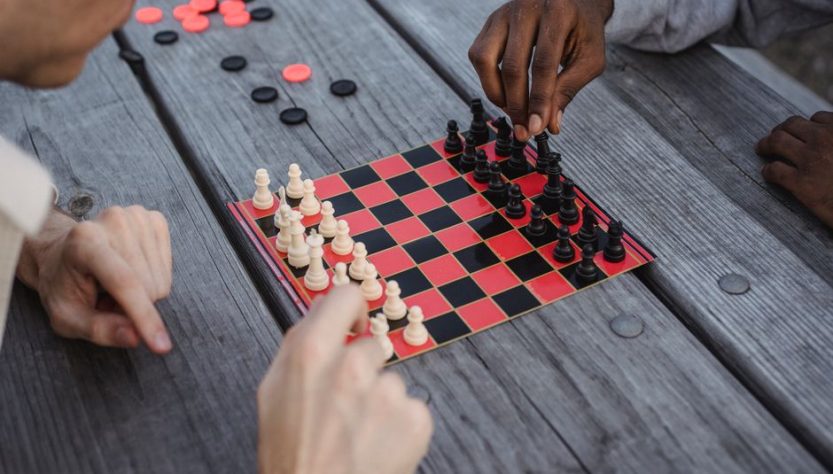
For older kids, the Magnetic Travel Chess Set by Yellow Mountain Imports ($19.95) is a legitimate full chess set with pieces that won’t move when the car hits a bump. The board folds into a 9.5-inch square that slips into a seatback pocket.
What to Avoid
Skip anything marketed as “magnetic” where only the board is magnetic but the pieces are regular plastic. I bought a magnetic tic-tac-toe set at an airport that was just a metal board with plastic X’s and O’s. The pieces slid everywhere. Useless. Check that the pieces themselves are magnetized before you buy.
Audio Storytelling: The Screen-Free Attention Machine
This is the single most underrated travel tool for kids ages 3-12. A good audio story captures attention longer than any game because it does the imaginative work for them. No pieces, no setup, no cleanup.
The Yoto Player ($99.99) and the Toniebox ($89.99) are the two main contenders. Here’s the honest breakdown: the Yoto Player uses credit-card-sized cards that are nearly indestructible and store up to 100 hours of audio. The Toniebox uses chunky figurines that are more fun for toddlers but get lost easily and cost $12-15 per story.
For travel specifically, the Yoto Player wins. The cards weigh almost nothing, you can pack 20 stories in a deck box, and the battery lasts 24 hours. The Toniebox is better for home use with younger kids who benefit from the tactile figurine swapping.
If you don’t want another device, the Libby app (free with a library card) has thousands of audiobooks that work offline. Download before you leave. A $20 pair of wired kid headphones is all you need.
Scratch Art and Mess-Free Drawing: The 45-Minute Occupier
Scratch art is the perfect travel activity because it’s self-contained, mess-free, and produces a satisfying result. The Melissa & Doug Scratch Art Rainbow Mini Notes ($6.99) come with 125 sheets and a wooden stylus. Each sheet takes 10-15 minutes to complete. A 50-sheet pack keeps a 6-year-old busy for an entire cross-country flight.
The Boogie Board LCD Writing Tablet ($24.99) is the modern replacement for the Magna Doodle. It’s thinner than a magazine, weighs 4 ounces, and the battery lasts 7 years. Kids can draw, play tic-tac-toe, practice letters, or doodle. The erase button clears everything instantly. No paper waste, no crayons melting in the car.
One warning: the stylus on the Boogie Board is attached by a thin cord. It can snap if yanked hard. For kids under 4, stick with the Melissa & Doug scratch art instead.
Compact Card Games: A Comparison Table
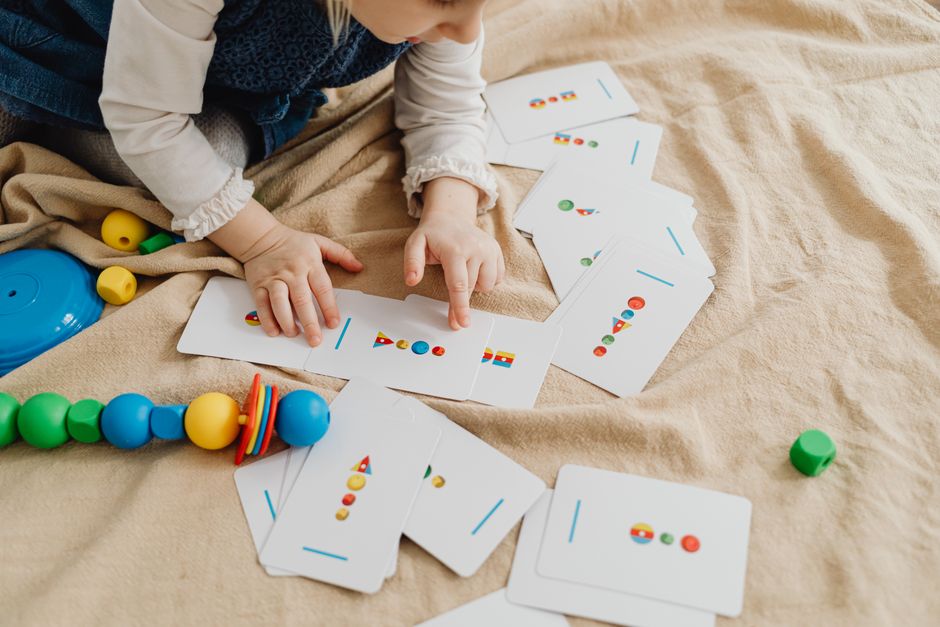
Card games are the highest entertainment-to-weight ratio of any travel activity. But not all card games work in a car or plane. Here’s what actually holds up:
| Game | Age | Price | Works in Car? | Works on Plane? | Setup Time |
|---|---|---|---|---|---|
| Uno | 5+ | $5.99 | Yes (with card holder) | Yes (tray table) | 30 seconds |
| Spot It! | 4+ | $9.99 | Yes | Yes | 15 seconds |
| Taco Cat Goat Cheese Pizza | 8+ | $9.99 | No (needs flat surface) | Yes | 1 minute |
| Sleeping Queens | 6+ | $11.99 | No | Yes | 2 minutes |
| Regicide | 10+ | $12.00 | No | Yes | 3 minutes |
For car trips, Spot It! is the clear winner. It’s a visual matching game that doesn’t require a flat surface, and rounds last 30 seconds so nobody gets bored. For plane rides with a tray table, Sleeping Queens is the best value. It teaches basic math, rounds last 15 minutes, and it’s genuinely fun for adults too.
License Plate Bingo and Observation Games: Free and Better Than You Think
You don’t need to buy anything for the best road trip game. Observation games work because they turn the journey itself into the activity. The landscape becomes the game board.
Print a license plate bingo card before you leave. The goal is to spot plates from all 50 states (or as many as possible on your route). This works best on interstates and long highway stretches. A free printable from Road Trip Bingo or Momdot takes 2 minutes to find.
The Alphabet Game is simpler: find all 26 letters in order from road signs, billboards, and license plates. No materials needed. For younger kids, play the color version: find something red, then something orange, then yellow, through the rainbow.
These games fail when the scenery is monotonous. Don’t try license plate bingo on a flight or a train through a tunnel-heavy route. Save them for open roads.
When NOT to Buy More Travel Games

The biggest mistake parents make is overpacking entertainment. A kid with 15 activities will burn through each one faster than a kid with 4 well-chosen ones. The abundance itself creates the boredom.
Here’s the actual math: a 6-hour journey needs roughly 4 distinct activities, rotated every 60-90 minutes. That’s it. Pack one magnetic game, one audio story device, one scratch art pack, and one card game. Rotate them on a schedule. When the activity changes, attention resets.
If your child is under 3, skip most of this list entirely. Toddlers need snacks, naps, and a single favorite stuffed animal more than structured activities. A Buckle Toy ($19.99) or a simple pop fidget toy ($7.99) will outperform any game designed for older kids.
For kids over 12, the rules change again. They want their own headphones, their own downloaded playlists, and to be left alone. Respect that. A Anker Soundcore P20i ($29.99) pair of wireless earbuds and a pre-downloaded Spotify playlist will do more than any “family game” you force on them.