
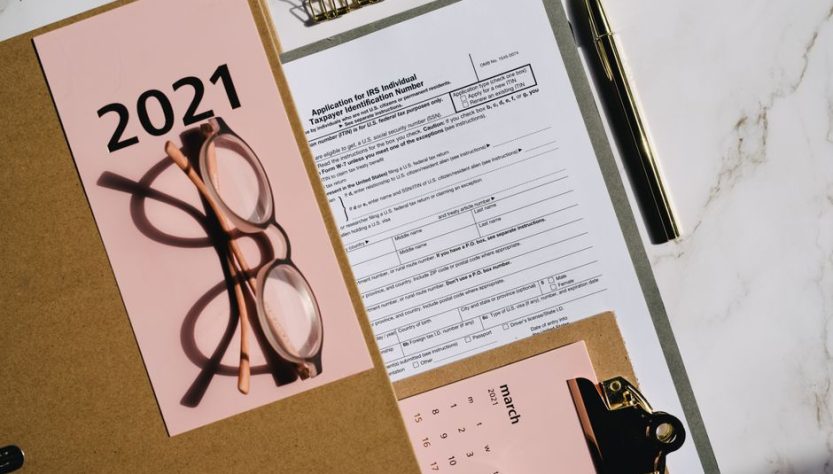
Most travelers think a passport is the only document that matters. They’re wrong. A passport gets you on the plane. But it doesn’t get you into the country, behind the wheel, or out of a hospital without a five-figure bill.
This is not legal advice — consult a licensed attorney or your destination’s embassy for current requirements. What follows is a practical breakdown of the six documents travelers consistently forget, based on 2026 entry rules and real-world denial patterns.
The Passport Six-Month Rule Is Real, and It’s Stupid
Your passport expires in November 2026. You book a July 2026 trip to Thailand. You think you’re fine. You’re not.
Thailand, Indonesia, Brazil, China, and most of the Schengen Area require your passport to be valid for at least six months beyond your planned departure date. If your passport expires before February 2027, you’re not boarding a July 2026 flight to Bangkok. The airline checks before you ever reach the check-in counter. They deny you at the gate, not the border.
The U.S. State Department’s routine passport processing now takes 6-8 weeks. Expedited service through a registered courier like RushMyPassport or Travel Visa Pro can compress that to 1-2 weeks, but you’ll pay $200-$400 on top of the $130 passport book fee and $35 acceptance fee. The math is simple: renew early or pay triple later.
What to Check Before You Book
- Passport expiration date — add six months to your return date and compare
- Blank visa pages — some countries require 2-4 completely blank pages
- Passport condition — water damage, torn pages, or a detached cover voids it
Most travelers don’t know that a damaged passport is treated the same as no passport. A coffee spill across the photo page gets you rejected at the airport. You’ll need an emergency passport from the nearest U.S. embassy or consulate, which takes 24-72 hours and costs $165. The fix is boring and cheap: a $12 passport cover and a waterproof document sleeve.
ETIAS Is Launching in 2026, and Americans Will Be Confused

Here’s the thing nobody explains clearly: ETIAS is not a visa. It’s a travel authorization. You apply online, pay €7, and get approved in minutes or days. You need it to enter any of the 30 European countries in the Schengen Area, plus Bulgaria, Romania, and Cyprus.
The European Union has been delaying ETIAS since 2026, but the current implementation timeline points to a 2026 launch. When it goes live, U.S. passport holders who previously entered France, Italy, Spain, and Germany visa-free will suddenly need this pre-authorization. Airlines will deny boarding without it.
The application asks for your passport details, travel history, and criminal record. The approval lasts three years or until your passport expires, whichever comes first. The mistake travelers will make: applying on a fake website. Dozens of third-party sites charge $50-$100 for a €7 application. The official site is etias.europa.eu. That’s it.
Who Needs ETIAS and Who Doesn’t
| Traveler Type | ETIAS Required? | Alternative Document |
|---|---|---|
| U.S. passport holder, tourist | Yes | None — ETIAS is mandatory |
| U.S. passport holder, already holds valid Schengen visa | No | Existing Schengen visa |
| EU/EEA citizen | No | National ID card or passport |
| U.S. passport holder, traveling to UK only | No | UK ETA (separate system, £10) |
| U.S. passport holder, traveling to Ireland only | No | Passport only (Ireland is not in Schengen) |
The UK has its own separate system called the Electronic Travel Authorisation, or ETA. It costs £10 and is already required for U.S. citizens entering the UK. If you’re doing a London-Paris trip, you need both the UK ETA and ETIAS. Two separate applications, two separate fees, two separate approvals. Plan accordingly.
International Driving Permit: The $20 Document Rental Car Companies Won’t Mention
You booked a rental car in Japan. You have a U.S. driver’s license. You think you’re covered. You’re not.
Japan, Australia, Austria, Greece, and dozens of other countries require an International Driving Permit (IDP) alongside your U.S. license. The IDP is not a license — it’s a translation of your license into 10 languages. You get it from AAA or the American Automobile Touring Alliance (AATA) in the U.S. It costs about $20 and takes 10 minutes at a AAA office or by mail. Without it, the rental counter in Tokyo or Sydney will refuse to hand you the keys.
The failure mode: travelers assume the rental company will mention this. They won’t. The rental company’s job is to rent cars, not to educate you on local driving law. The Japanese police will treat driving without an IDP as driving without a license. That’s an arrest, not a ticket.
Countries That Require an IDP for U.S. License Holders
- Japan — strictly enforced, no exceptions
- Australia — required for all U.S. license holders
- Austria, Greece, Spain, Italy — required in practice, even if not always checked
- Thailand — required, and frequently checked at police roadblocks
Skip the IDP if you’re only visiting major cities with public transit. But if you’re renting a car anywhere outside North America, it’s a $20 insurance policy against a ruined trip.
Travel Insurance Documents: The PDF You’ll Need at 3 a.m.

You bought travel insurance. Good. Now prove it.
Hospitals in Thailand, Mexico, and Costa Rica don’t have access to your insurance company’s database. When you show up with a broken leg or a dengue fever diagnosis, the hospital will ask for proof of coverage before they admit you. If you can’t produce it, you’re paying cash upfront. A private hospital in Bangkok charges $2,000-$5,000 for a basic emergency room visit. A medical evacuation from a remote island can hit $50,000.
Your job: print or screenshot your insurance policy number, the 24/7 emergency assistance phone number, and the coverage limits. Store them in your phone’s offline files and in a physical folder. Email them to yourself and a family member. The document you need is usually called a “Certificate of Insurance” or “Proof of Coverage.” Companies like World Nomads, SafetyWing, and Allianz Travel all provide this document at purchase. The mistake is leaving it in your email inbox where you can’t access it without Wi-Fi.
Also carry the insurance provider’s direct emergency line, not just the general customer service number. The emergency line is staffed by people who can authorize payment guarantees to foreign hospitals. The general line is staffed by people who can tell you about your policy. At 3 a.m. in a Peruvian emergency room, you need the first one.
Visa-on-Arrival vs. eVisa: The Distinction That Costs You Hours
Here’s a quick distinction that saves hours of airport misery. A visa-on-arrival means you get the visa when you land. An eVisa means you must apply online before you fly. Countries like Vietnam, India, and Kenya require eVisas for U.S. citizens. Countries like Indonesia, Cambodia, and Jordan offer visa-on-arrival.
The failure mode: showing up at the airport in Hanoi without an eVisa. You’ll be denied boarding in Los Angeles, not in Vietnam. The airline checks because they’re responsible for flying you back if you’re denied entry. Vietnam’s eVisa takes 3-5 business days and costs $25 for a single entry. The fix is applying at least two weeks before departure.
India’s eVisa is more complicated. It costs $25 for a 30-day tourist eVisa, but the application is famously finicky. A single typo in your passport number gets you rejected. You then reapply, pay again, and wait another 3-5 business days. The workaround: use a visa agency like iVisa or VisaHQ. They charge $50-$100 on top of the government fee, but they review your application before submission and catch errors that get you rejected. For a country like India or Vietnam, that’s money well spent.
Not every country needs an eVisa. Japan, South Korea, and most of Latin America allow visa-free entry for U.S. citizens. Check the destination’s embassy website, not a random blog, before you apply.
Global Entry and TSA PreCheck: The Documents That Save You Hours, Not Days
These don’t get you into a country. They get you through U.S. airports faster when you come home. And they’re the most underrated travel documents in existence.
Global Entry costs $100 for five years. It includes TSA PreCheck. You apply online, do an in-person interview at a Global Entry enrollment center, and get a Known Traveler Number. When you return to the U.S. from abroad, you skip the regular customs line and use a kiosk. The average wait time difference: 5 minutes versus 45-90 minutes at major airports like JFK, LAX, and Miami.
The catch: Global Entry interviews are booked out months in advance at popular enrollment centers. The workaround is Enrollment on Arrival, where you do your interview when you land from an international flight without an appointment. You just need your passport and a completed application.
TSA PreCheck alone costs $78 for five years. It gets you through domestic security without removing shoes, laptops, or liquids. The value is real: a 10-minute security line versus a 30-45 minute regular line at peak times. But skip PreCheck if you fly internationally more than twice a year — Global Entry includes it for only $22 more over five years.
The document you need to carry: your Known Traveler Number. Add it to every airline booking. If you forget, you’ll stand in the regular line and wonder why you paid $100.
Travel documents are not exciting. They don’t make good Instagram posts. But they’re the difference between a trip that happens and a trip that ends at the check-in counter. The 2026 travel landscape is more document-heavy than ever — ETIAS, UK ETA, eVisas, and stricter passport rules are all converging. The travelers who treat document preparation as part of the trip, not an afterthought, are the ones who actually get where they’re going.